








What's Happening?
Seth Wickersham, a veteran sports journalist with ESPN for over 25 years, has released a new nearly 500-page paperback collection of his best work titled 'Be On That Hill: Stories from the Summits of Sport.' Published in September by Hyperion Avenue Books,
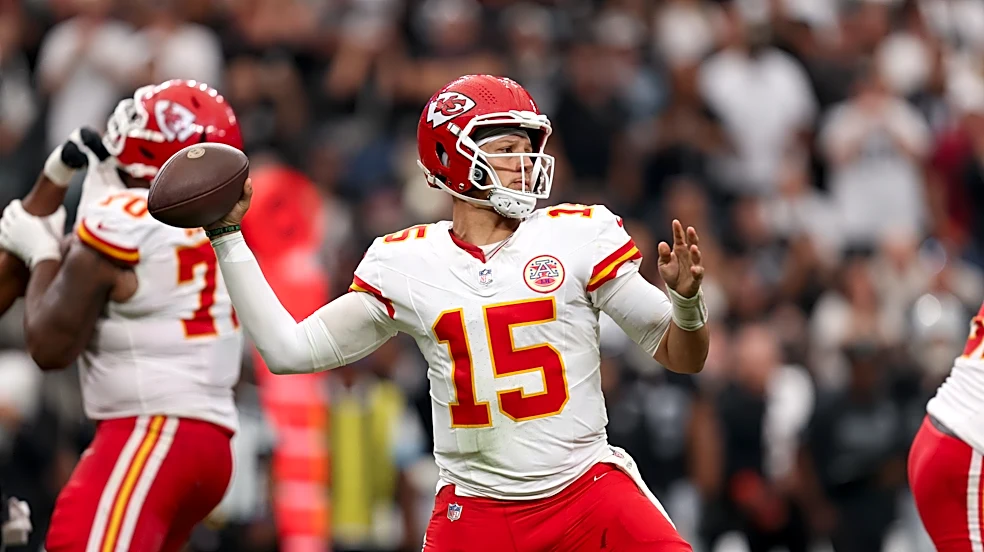
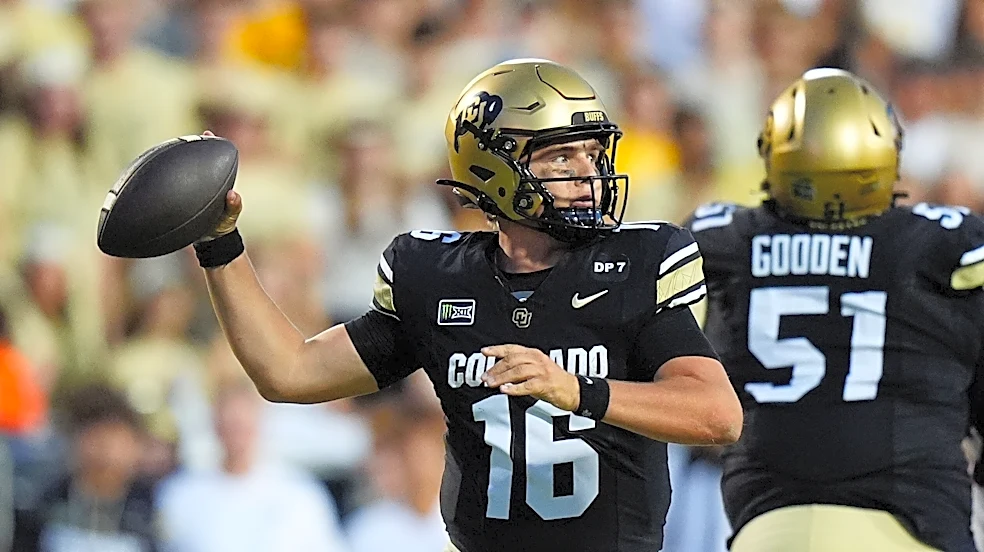
the book compiles articles written between 2005 and 2024, drawing from ESPN The Magazine and ESPN.com. Wickersham, who studied magazine journalism at the University of Missouri, joined ESPN The Magazine shortly after graduating in 2000. His collection aims to go 'beyond the game,' focusing on the human element of sports figures rather than just statistics. The book features stories about prominent athletes like Deion Sanders, Patrick Mahomes, and Tom Brady, exploring their lives beyond their athletic achievements. Wickersham also delves into broader sports phenomena, such as stadium sing-alongs, even interviewing Queen guitarist Brian May for a piece. The title of the book is inspired by Bruce Springsteen's song 'Darkness on the Edge of Town.'
Why It's Important?
Wickersham's new book is significant for several reasons within the landscape of sports journalism and broader media. It offers a curated retrospective of a prominent journalist's career, providing insight into the evolution of sports storytelling over two decades. For aspiring journalists and media students, the book, which Wickersham anticipates being used as a textbook, serves as a masterclass in long-form sports writing, emphasizing creativity and timelessness over immediate game recaps. The collection's focus on the humanity of athletes, rather than mere statistics, highlights a trend in sports media towards deeper, more narrative-driven content. This approach can resonate with a wider audience beyond hardcore sports fans, attracting readers interested in human interest stories and the psychological aspects of high-performance individuals. The book also underscores the enduring value of investigative reporting and in-depth profiles in an era often dominated by quick news cycles and social media soundbites.
What's Next?
While Wickersham has indicated that 'Be On That Hill' will likely serve as a textbook for college journalism classes rather than being accompanied by extensive book tours, its release is expected to generate discussion within sports media circles. Journalism programs may indeed adopt the book, influencing future generations of sports writers by showcasing Wickersham's approach to storytelling and his emphasis on the craft of writing. The collection could also spark renewed interest in his previous best-selling works, 'American Kings: A Biography of the Quarterback' and 'It’s Better to Be Feared: The New England Patriots Dynasty and the Pursuit of Greatness.' For ESPN, the publication reinforces its reputation for producing high-quality, in-depth sports journalism, potentially encouraging further investment in long-form content. The book's themes of humanizing athletes and exploring broader cultural aspects of sports may also influence how other sports journalists approach their subjects, leading to a continued shift towards more nuanced and analytical reporting.
Beyond the Headlines
Beyond its immediate impact as a literary release, 'Be On That Hill' touches upon deeper implications regarding the role of sports in society and the nature of celebrity. Wickersham's exploration of athletes' fears, families, and futures underscores the idea that sports figures, despite their larger-than-life personas, grapple with universal human experiences. This perspective can foster a more empathetic understanding of public figures, challenging the often one-dimensional portrayals found in mainstream media. The book also implicitly comments on the evolving relationship between sports and entertainment, as evidenced by Wickersham's interview with Queen guitarist Brian May about stadium sing-alongs. This highlights the cultural crossover between different forms of public performance and the shared human desire for collective experience. Furthermore, the inclusion of a story from 2005 about a gay rugby team, which Wickersham noted was ahead of its time, reflects broader societal shifts in acceptance and representation within sports, showcasing how journalism can document and contribute to these cultural changes.