

What's Happening?
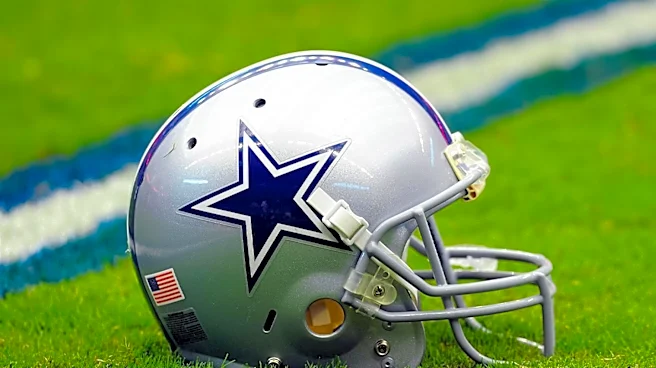
The Dallas Cowboys have voluntarily recognized the Dallas Cowboys Cheerleaders Association (DCCA), making it the exclusive bargaining representative for the team's cheerleaders. This marks a significant labor development, as it is the first professional
sports cheerleading union in decades, following the Buffalo Bills' Buffalo Jills in 1995. The decision comes after years of public scrutiny regarding cheerleader compensation, despite recent substantial pay increases, including a reported 400% raise. The unionization effort reflects a broader push to secure a formal voice over wages, benefits, scheduling, travel obligations, and workplace conditions. The Dallas Cowboys chose voluntary recognition rather than forcing the cheerleaders to seek certification through a contested National Labor Relations Board (NLRB) election.
Why It's Important?
This development signals a growing trend of collective bargaining extending beyond athletes to other members of the sports-entertainment workforce, such as dancers, performers, and game-day personnel. For sports organizations, it highlights the increasing likelihood that highly visible workforces with shared working conditions and public platforms will pursue collective representation, especially when compensation and workload concerns gain public attention. The voluntary recognition by the Dallas Cowboys could encourage similar efforts by other sports-entertainment workforces seeking unionization without formal election campaigns. If the DCCA successfully negotiates a contract, it could serve as a template for other cheerleading programs and potentially influence wage and discrimination lawsuits against other teams, prompting professional sports teams to review their classification of dancers or cheerleaders as contractors.
What's Next?
The focus now shifts from organizing to bargaining. Negotiations are expected to center on compensation, healthcare and injury-related protections, travel requirements, rehearsal time, appearance obligations, and other quality-of-work issues associated with the demanding role of professional cheerleaders. The outcome of these negotiations will be closely watched by other sports organizations and cheerleading squads across various leagues. This precedent could lead to a wave of unionization efforts among non-athlete personnel in professional sports, potentially reshaping labor relations within the entertainment aspects of the industry. Sports franchises will need to adapt to these evolving labor dynamics and consider the implications for their operational models and employee relations.
Beyond the Headlines
The unionization of the Dallas Cowboys Cheerleaders underscores a broader societal shift towards greater worker advocacy and the demand for fair labor practices, even in highly visible and glamorous professions. It challenges the traditional perception of cheerleading as solely a performance art, emphasizing its nature as a demanding profession with specific labor needs. This move could also bring increased transparency to the financial and working conditions of cheerleaders, potentially influencing public perception and support for similar movements. The ethical implications of how sports organizations manage and compensate their entire workforce, not just their star athletes, will likely become a more prominent discussion point in the coming years.