





What's Happening?
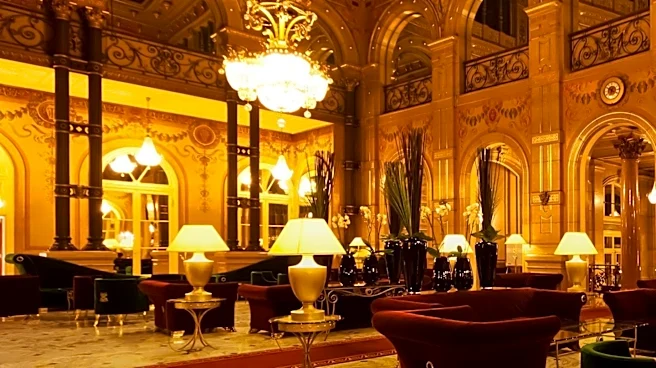
Luxury hotels are increasingly focusing on cohesive interior design, accessible guest facilities, and personalized service to create exceptional guest experiences. The guest journey begins with first impressions in reception areas, entrances, and lounges,
which establish the property's character. Well-designed hotels maintain a clear visual direction, using natural stone, warm wood, selected fabrics, and thoughtful lighting to create a refined yet welcoming atmosphere. Consistency in design across lobbies, corridors, restaurants, and guest rooms is crucial for a cohesive feel. Beyond aesthetics, the functionality of spaces, such as comfortable seating in lounges and durable materials in restrooms, is vital. Hotels are also prioritizing accessibility, ensuring facilities are usable for guests with diverse needs, and maintaining privacy in shared spaces like restrooms through proper design and regular upkeep. Attentive staff, efficient check-in, and prompt responses to requests are also key components of a positive stay, with personalized service and inter-departmental coordination playing significant roles.
Why It's Important?
This emphasis on comprehensive luxury hotel experiences is important for the U.S. hospitality industry as it caters to discerning travelers who expect more than just basic amenities. By focusing on design consistency, accessibility, and service excellence, hotels can differentiate themselves in a competitive market. This trend impacts various stakeholders: hotel owners and operators benefit from increased guest satisfaction and loyalty, potentially leading to higher occupancy rates and revenue. Design and construction firms specializing in hospitality interiors and accessible infrastructure see a greater demand for their services. Guests, in turn, gain from more comfortable, inclusive, and memorable stays. The focus on practical details like durable materials and efficient operations also contributes to the long-term sustainability and profitability of these establishments, ensuring they can handle steady visitor traffic without compromising quality or guest perception.
Beyond the Headlines
The shift towards holistic luxury experiences in hotels reflects a broader cultural trend where consumers value experiences over mere consumption. This goes beyond superficial luxury, delving into the psychological comfort and ease a well-designed and managed space provides. The integration of accessibility standards, such as those from the U.S. Access Board’s ADA Standards, highlights an evolving ethical consideration within the industry, moving towards greater inclusivity. Furthermore, the emphasis on 'unnoticed' details, like secure hardware in restrooms or consistent lighting, underscores the subtle yet profound impact of environmental psychology on guest perception. This approach suggests a future where luxury is defined not just by opulence, but by a seamless, thoughtful, and deeply human-centered design and service philosophy, influencing how public and private spaces are conceived and managed across various sectors.