




What's Happening?
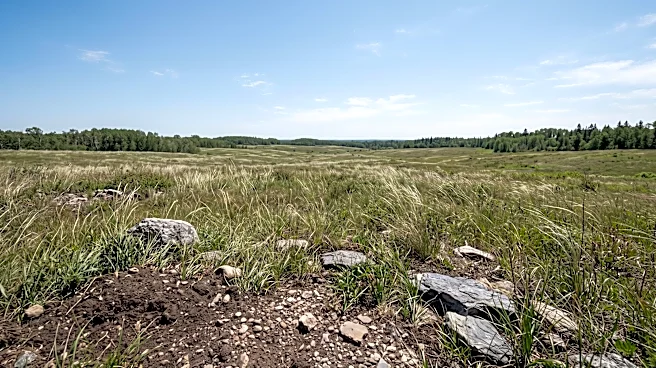
Real estate licensees in Rhode Island are facing a surge in scams where individuals impersonate owners of vacant land to fraudulently sell properties. Scammers typically contact brokers claiming to own land, often stating they are out of state or country,
making in-person meetings impossible. They may electronically sign listing contracts, disclosures, and purchase agreements, sometimes even creating email addresses using the true owner's name. In one instance, a property was listed and went under contract with a cash buyer before the true owner discovered the fraudulent activity. Another case involved a broker becoming suspicious when a 'seller' listed land significantly below market value and provided vague answers about the property. These scams can lead to substantial financial losses for buyers and damage the reputation of real estate professionals. The Rhode Island Association of REALTORS® (RIAR) has issued warnings and provided guidance to help licensees identify and prevent these fraudulent transactions.
Why It's Important?
This rise in vacant land scams poses significant risks to the integrity of the real estate market in Rhode Island and potentially across the U.S. Buyers could lose hundreds of thousands of dollars, and true property owners face the complex legal challenge of having fraudulent transfers set aside. For real estate licensees, these scams result in wasted time, financial losses, and potential damage to their professional reputation. The sophistication of these scammers, including the use of electronic signatures and impersonation tactics, highlights a growing threat that requires heightened vigilance. The issue underscores the need for robust verification processes in real estate transactions, especially when dealing with remote sellers or properties listed at unusually low prices. The financial and legal ramifications extend to title companies, lenders, and the broader real estate ecosystem, necessitating a collective effort to combat these fraudulent schemes.
What's Next?
Real estate professionals are advised to implement stringent verification protocols to prevent falling victim to these scams. Recommended steps include checking municipal assessment records and Secretary of State corporate records for LLCs, requesting government IDs that match records, conducting video calls with sellers, and asking detailed questions about the property. Brokers should also use trusted closing attorneys and carefully handle closing documents for potential fingerprint analysis by law enforcement. If a scam is suspected, licensees are urged to withdraw the listing and report it immediately to local police, State Police, the FBI's Internet Crime Complaint Center (IC3), the Rhode Island Attorney General’s Office, and any marketing platforms. Ongoing education and awareness campaigns by organizations like RIAR will be crucial in equipping real estate professionals with the tools to identify and mitigate these evolving threats.
Beyond the Headlines
The proliferation of vacant land scams points to broader vulnerabilities in digital transaction processes and the increasing sophistication of cybercriminals targeting high-value assets. The reliance on electronic communication and remote transactions, while convenient, creates avenues for impersonation and fraud. This trend highlights the ethical responsibility of real estate professionals to protect their clients and the public from financial harm. It also raises questions about the adequacy of current identity verification methods in real estate and the potential need for enhanced digital security measures or standardized protocols across the industry. The long-term implications could include increased scrutiny on remote closings, potential changes in real estate law to better protect against digital fraud, and a greater emphasis on due diligence that goes beyond traditional checks, incorporating digital forensics and advanced identity verification technologies.