




What's Happening?
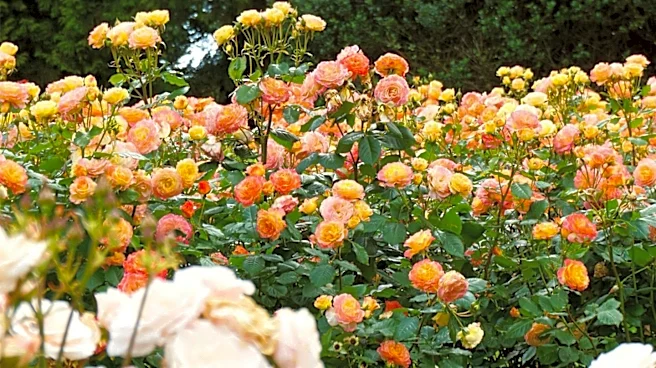
The Daily Excelsior has released an extensive guide titled 'Roses: A Complete Guide to Their Beauty, Types, Care and Meaning.' The article delves into various aspects of roses, identifying them as woody perennial flowering plants belonging to the genus
Rosa. It highlights their centuries-long admiration for beauty, fragrance, color, symbolism, and versatility. The guide covers the history of roses, their anatomy, and different types such as Hybrid Tea, Floribunda, Climbing, Shrub, Miniature, and Ground-Cover roses. It also explores the symbolic meanings associated with various rose colors, including red for love, pink for admiration, white for purity, and yellow for friendship. Practical advice on growing and caring for roses is provided, emphasizing adequate sunlight, good air circulation, well-drained soil, proper watering, and feeding. The article also discusses common pests and diseases affecting roses and their uses beyond ornamental gardening, such as in culinary, cosmetic, and perfumery applications.
Why It's Important?
This comprehensive guide serves as a valuable resource for gardening enthusiasts and those interested in the cultural significance of roses. Its detailed information on cultivation and care can empower individuals to successfully grow roses, contributing to local horticulture and personal well-being through gardening. The exploration of rose symbolism offers insights into cultural traditions and how flowers communicate meaning, which can be relevant for florists, event planners, and consumers in the U.S. The discussion of roses in culinary and cosmetic uses highlights their economic potential in various industries, from food and beverage to beauty products. For businesses involved in gardening supplies, floral arrangements, or related sectors, this guide could inform product development, marketing strategies, and customer education, potentially boosting sales and engagement within the U.S. market.
What's Next?
The publication of this guide is likely to increase public interest in rose cultivation and appreciation. Garden centers and nurseries might see a rise in demand for different rose varieties and related care products, prompting them to stock a wider selection and offer more specialized advice. Educational workshops on rose care could become more popular, catering to both novice and experienced gardeners. The detailed information on rose symbolism might influence consumer choices for gifts and special occasions, leading to a greater emphasis on the meaning behind floral selections. Furthermore, industries utilizing rose extracts for perfumes, cosmetics, and food flavorings may find renewed interest in sourcing specific rose types, potentially impacting agricultural practices and supply chains in regions that cultivate roses for these purposes.
Beyond the Headlines
Beyond its immediate practical applications, this guide underscores the enduring cultural and aesthetic value of roses. The article touches upon the historical relationship between roses and human civilization, noting their presence in ancient cultures, art, literature, and ceremonies. This deep-rooted connection highlights how natural elements like flowers can become powerful symbols, reflecting societal values, emotions, and traditions. The guide implicitly encourages a deeper engagement with nature and an understanding of botanical diversity, fostering a sense of appreciation for the environment. Ethically, promoting sustainable gardening practices and informed plant care, as outlined in the guide, contributes to environmental stewardship. Culturally, the continued fascination with roses reinforces their role as a universal emblem of beauty and sentiment, transcending geographical and temporal boundaries.