

What's Happening?
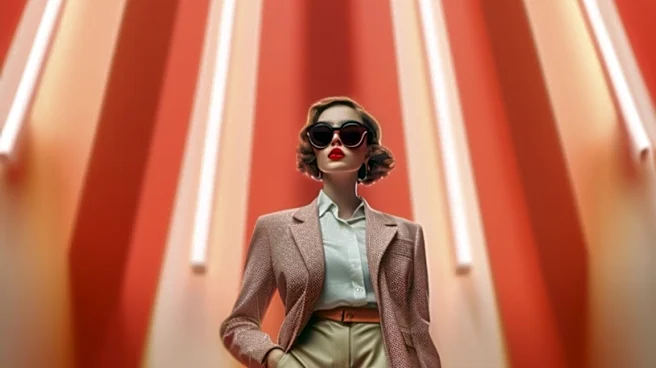
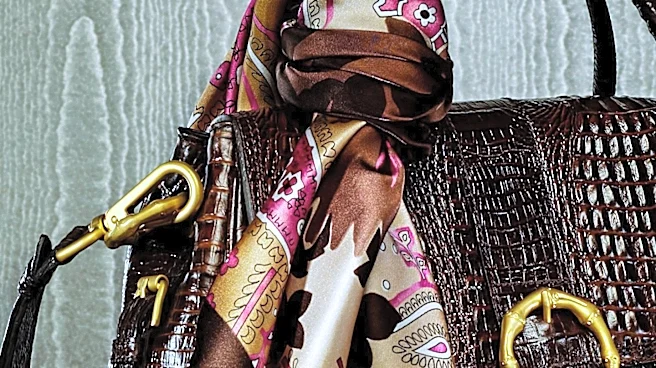
Nostalgic fashion is experiencing a significant resurgence across the U.S., with retro styles from the 1970s, 1980s, and 1990s making a prominent comeback. This trend is characterized by the blending of vintage elements with contemporary fashion, rather
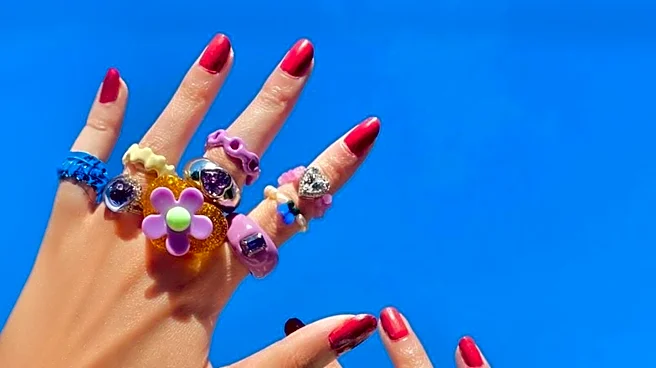
than a complete replication of past eras. Y2K fashion, featuring cargo pants, wide-leg jeans, and distinctive accessories, is particularly popular among consumers. Social media platforms like TikTok, Instagram, and Pinterest are instrumental in driving these trends, creating communities around specific aesthetics such as Y2K fashion, '90s grunge, and '70s boho. Celebrities and influencers also play a crucial role by showcasing these styles, leading to increased searches for vintage-inspired apparel. Brands such as Gap, Levi’s, and Coach are actively capitalizing on this phenomenon by reintroducing past styles and presenting them with a lived-in, authentic feel. The cyclical nature of fashion, combined with a growing interest in sustainable practices like thrifting, further fuels the return of these retro trends.
Why It's Important?
The resurgence of nostalgic fashion holds significant implications for the U.S. retail and fashion industries. For brands, it presents an opportunity to re-engage with consumers by leveraging emotional connections to past eras, a concept referred to as 'Nowstalgia'—nostalgia combined with relevance. This approach allows companies to tap into both older generations' fond memories and younger consumers' curiosity for styles they didn't experience firsthand. The emphasis on sustainability, driven by thrift culture and resale platforms, is also reshaping consumer behavior, encouraging the purchase of secondhand items and durable, timeless pieces. This shift can lead to a more circular economy within fashion, potentially reducing waste from fast fashion cycles. However, brands must carefully balance authenticity with modern appeal, as simply reissuing old designs without contemporary relevance may not resonate with today's diverse consumer base. The trend also highlights the powerful influence of social media and celebrity culture in dictating fashion cycles and consumer demand.
What's Next?
The nostalgic fashion trend is expected to continue evolving, with brands likely to further refine their strategies to integrate retro elements into modern collections. Consumers can anticipate more collaborations between contemporary designers and heritage brands, as well as an increased focus on sustainable production methods that align with the values of environmentally conscious shoppers. The role of AI in fashion is also emerging, with tools allowing individuals to recreate vintage looks from personal photos, suggesting a future where personalized retro styling becomes more accessible. Retailers will likely expand their offerings of vintage-inspired clothing and accessories, alongside promoting secondhand and upcycled options. The challenge for brands will be to maintain the authenticity and emotional connection of nostalgic styles while ensuring they remain relevant and appealing to new generations, avoiding the pitfall of appearing as mere 'costumes.' This will involve continuous innovation in design, marketing, and supply chain practices to meet evolving consumer preferences.
Beyond the Headlines
Beyond the immediate commercial impact, the nostalgic fashion trend reflects deeper cultural and psychological undercurrents in U.S. society. The longing for past eras, particularly among younger generations who didn't live through them, suggests a desire for perceived simplicity, authenticity, or a romanticized version of history. This 'Nowstalgia' can serve as a form of escapism or a way to forge identity by connecting with cultural touchstones. Ethically, the trend raises questions about true sustainability; while thrifting is eco-friendly, the production of new 'vintage-inspired' items still contributes to consumption. The phenomenon also underscores the power of collective memory and shared cultural experiences in shaping consumer tastes, even in an increasingly fragmented digital world. As AI and digital platforms become more integrated into fashion, there's a potential for both greater personalization and a homogenization of trends, depending on how these technologies are utilized to curate and disseminate styles.