



What's Happening?
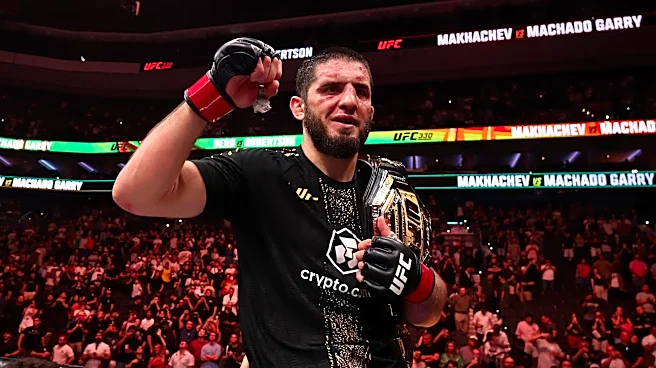
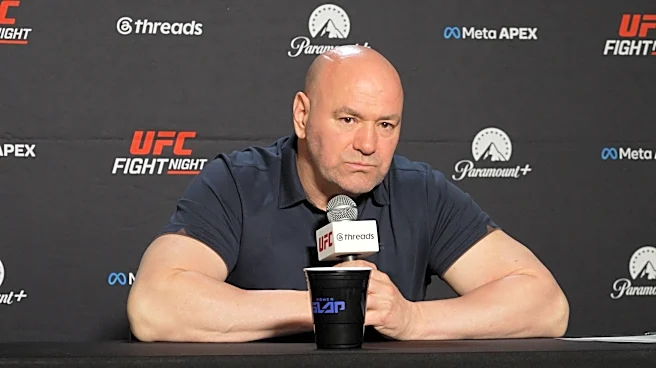
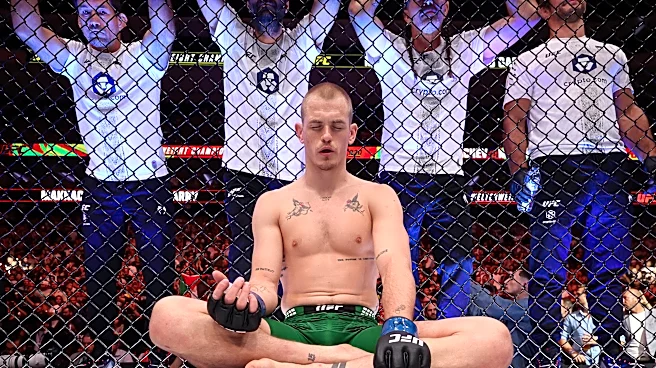
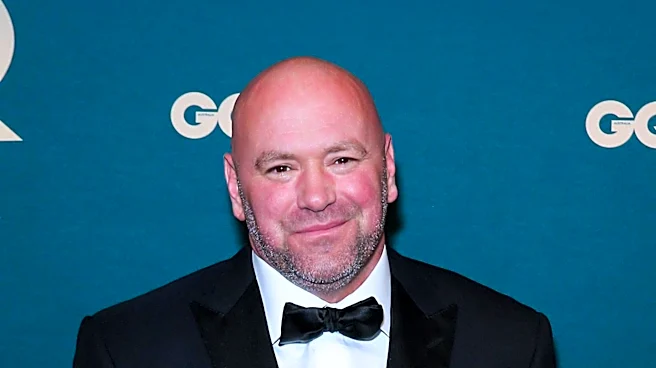
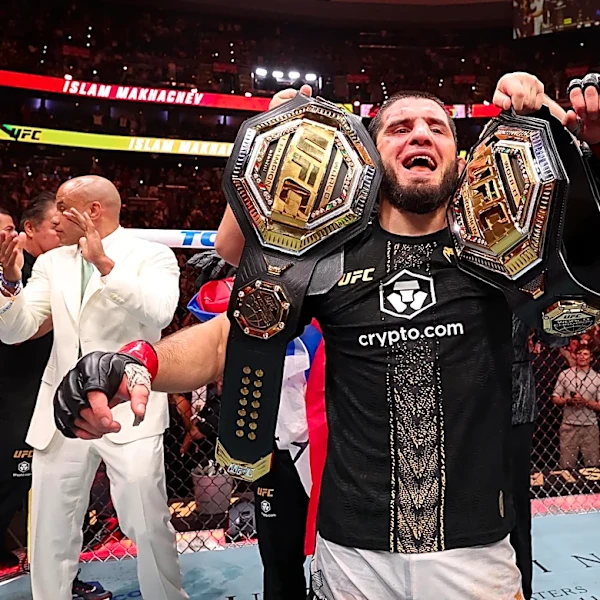
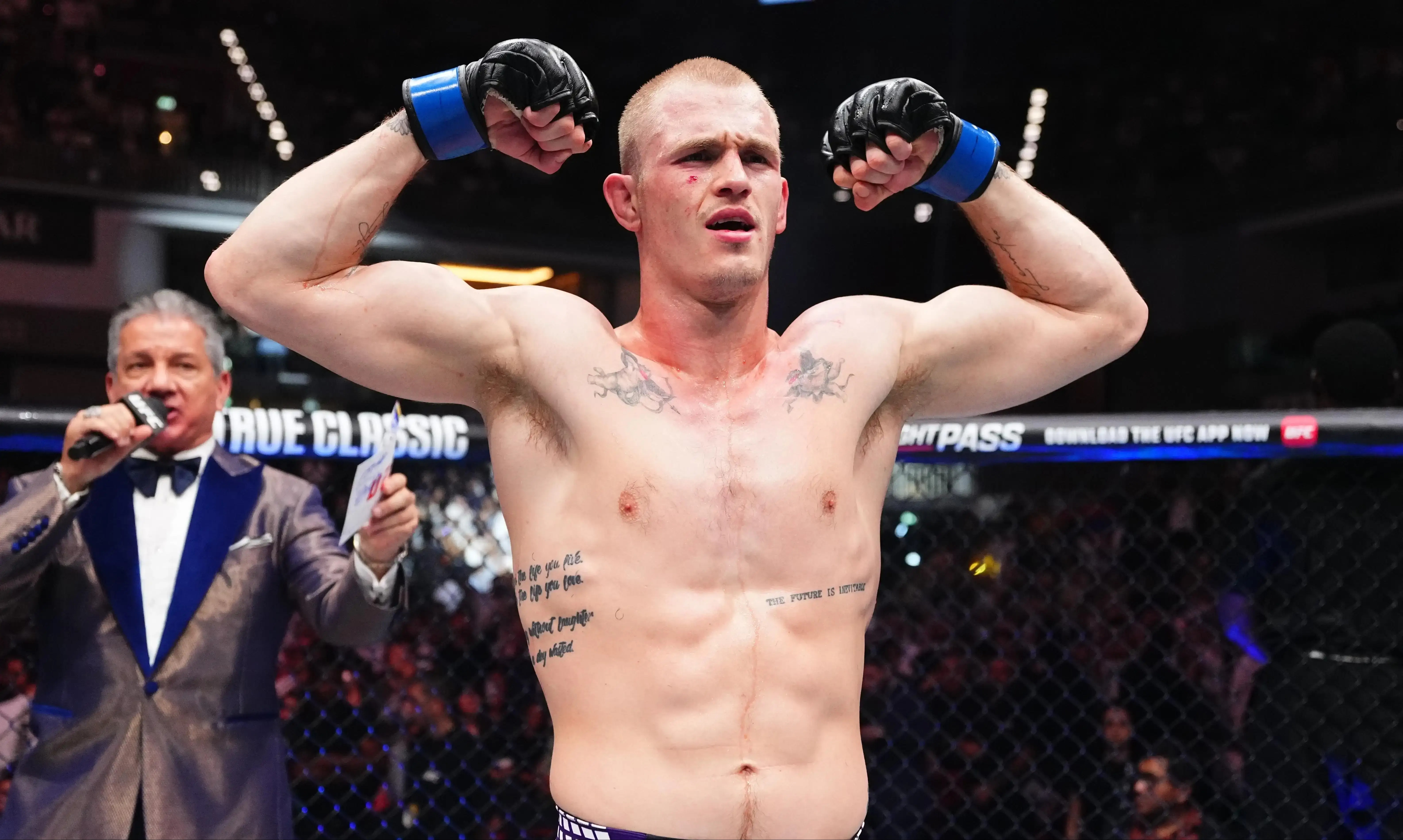
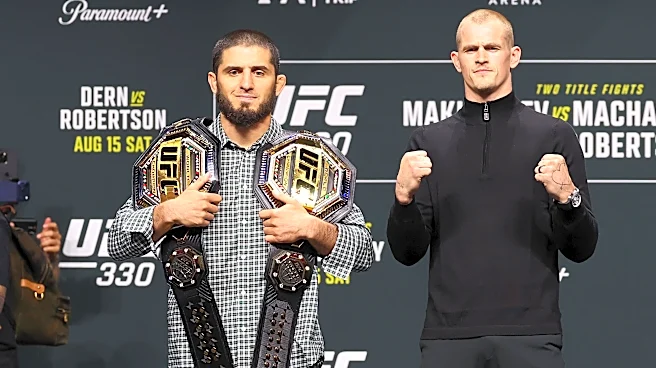
UFC CEO Dana White publicly criticized fighter Ian Machado Garry following his unanimous decision loss to Islam Makhachev at UFC 330, specifically highlighting Garry's perceived absence of a "killer instinct." White voiced his strong disapproval of Garry's display
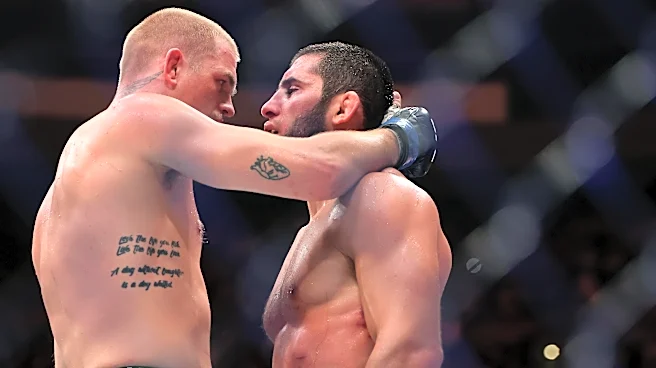
of camaraderie with Makhachev during their championship bout, particularly noting an embrace that occurred at the outset of the final round. According to White, such pleasantries are entirely inappropriate within the context of a high-stakes title fight, especially given that many observers, including those at MMA Decisions, considered the contest to be evenly matched heading into the fifth round. White firmly believes that Garry's politeness, which was also evident earlier in the fight and throughout the preceding fight week, ultimately deprived him of crucial tenacity and potentially cost him the victory. He explicitly suggested that Garry should have adopted a far more aggressive strategy, such as attempting a flying knee, in the decisive final round to secure a finish. While acknowledging Garry's inherent talent and "classy" demeanor, White underscored that these attributes did not serve him effectively in the intensely competitive environment of a title fight. Makhachev ultimately clinched the win by effectively controlling Garry on the mat during the fifth round, a maneuver White implied was facilitated by Garry's perceived lack of aggression.
Why It's Important?
Dana White's public pronouncements carry immense influence within the Ultimate Fighting Championship and can significantly shape a fighter's public perception, career trajectory, and future opportunities within the organization. His pointed criticism of Ian Garry's "killer instinct" vividly underscores the paramount importance the UFC, under White's leadership, places on aggressive, finish-oriented performances, particularly in championship contests. This unwavering stance reinforces the organizational expectation that fighters must prioritize victory and absolute dominance above all other considerations, even traditional sportsmanship, during the heat of battle. For Ian Garry, White's remarks are likely to have a tangible impact on how he is perceived by the fanbase, the media, and potentially his future opponents, thereby placing considerable pressure on him to exhibit a more ruthless and decisive competitive edge in his subsequent bouts. It also serves as a stark reminder to all fighters that while raw talent is an indispensable asset, a perceived deficiency in aggression or a "killer instinct" can draw the direct disapproval of the promotion's top executive, potentially affecting their marketability, the types of matchups they are offered, and their overall standing within the UFC. This incident powerfully illustrates the unique blend of competitive sport and compelling entertainment that defines the UFC, where narrative and fighter persona are frequently as critical to success and appeal as technical skill.
What's Next?
Following the pointed criticism from UFC CEO Dana White, Ian Garry is expected to face heightened scrutiny regarding his in-cage demeanor and the level of aggression he displays in his upcoming fights. White's comments strongly suggest that Garry will need to visibly demonstrate a more pronounced "killer instinct" to regain favor with the UFC's leadership and potentially earn another shot at a title in the future. Garry himself will likely engage in a period of introspection, reflecting on the fight's outcome and White's remarks, which could lead to a significant adjustment in his approach to be more overtly aggressive and less outwardly sportsmanlike during competition. The immediate pressure will be on Garry to unequivocally prove that he possesses the necessary tenacity and finishing capabilities, especially when facing top-tier opponents. For the UFC as an organization, White's statements serve to reinforce its core brand identity, which consistently champions aggressive, decisive, and entertaining finishes. This situation could also subtly influence how other fighters approach their bouts, understanding that overt displays of camaraderie might be met with similar public disapproval from the CEO. The welterweight division remains highly competitive, and Garry's strategic response to this public criticism will undoubtedly be a pivotal factor in determining his future standing and success within the sport.
Beyond the Headlines
The public discourse surrounding Ian Garry's "killer instinct" delves deeply into the intricate psychological and ethical dimensions inherent in professional combat sports. It provokes critical questions about the delicate balance between upholding sportsmanship and the relentless, often brutal, pursuit of victory in a high-stakes environment like the UFC. While many traditional sports universally value fair play, mutual respect, and gracious conduct, White's comments strongly imply that within the intensely competitive and often unforgiving world of mixed martial arts, an overt display of camaraderie during a fight can be misconstrued as a fundamental weakness or a critical lack of competitive drive. This incident vividly highlights the unique cultural expectations prevalent within combat sports, where the compelling narrative of a "killer" or a "finisher" frequently resonates with greater impact among fans and promoters than that of a "classy" or purely technical competitor. Furthermore, it illuminates the inherent power dynamics that exist between a prominent promoter and an individual athlete, where public statements from influential figures like Dana White possess the capacity to significantly shape public opinion and exert considerable pressure on fighters to conform to specific archetypes, thereby potentially influencing their fighting style, public persona, and overall career trajectory both inside and outside the octagon.