


What's Happening?
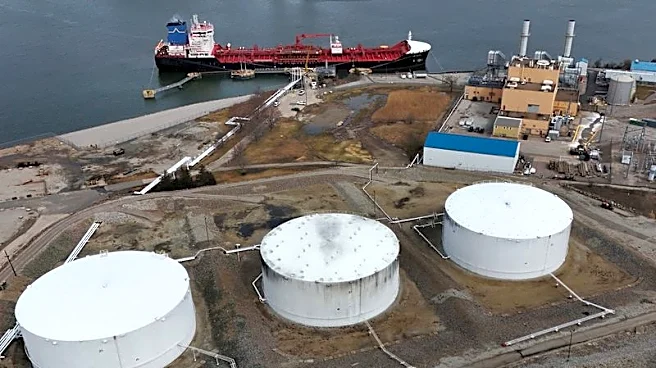
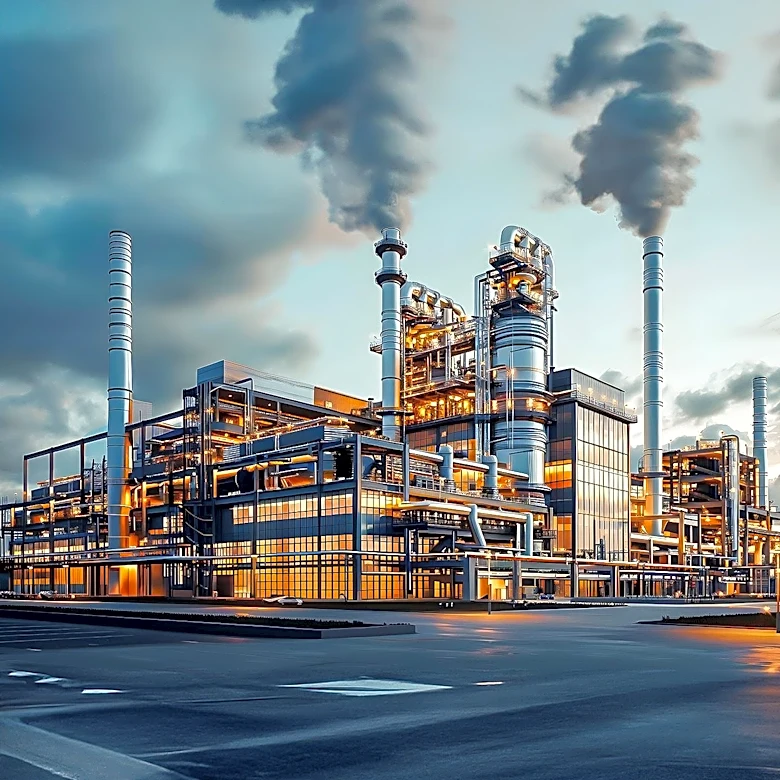
The Japanese government is considering approaching foreign banks to finance a $33 billion investment in U.S. natural gas production, part of a trade deal with the Trump administration. The investment includes constructing the world's largest natural gas power
plant and a deepwater oil port in the Gulf. The initiative aims to enhance U.S. crude export capabilities and secure export capacity for refineries. The Japanese finance ministry indicated that foreign bank loans could be guaranteed by Japan's export credit agency, NEXI, with additional funding from Japan's state-backed Bank for International Cooperation.
Why It's Important?
This investment highlights the strategic partnership between the U.S. and Japan in the energy sector. The development of natural gas infrastructure could boost U.S. energy exports and reinforce its position as a leading energy supplier. For Japan, securing foreign financing and expanding its energy investments abroad aligns with its energy security goals. The collaboration also reflects broader geopolitical dynamics, as countries seek to diversify energy sources and strengthen trade relationships. The investment could have significant economic implications, potentially creating jobs and stimulating growth in the U.S. energy sector.
What's Next?
If foreign bank financing is secured, the investment initiative will proceed, potentially accelerating the development of natural gas infrastructure in the U.S. The collaboration between U.S. and Japanese financial institutions could set a precedent for future international energy investments. The success of this initiative may encourage other countries to pursue similar partnerships, further integrating global energy markets. The project will likely face scrutiny from environmental groups and policymakers concerned about the environmental impact of expanding fossil fuel infrastructure. Ongoing discussions will determine the project's alignment with broader climate goals.