




What's Happening?
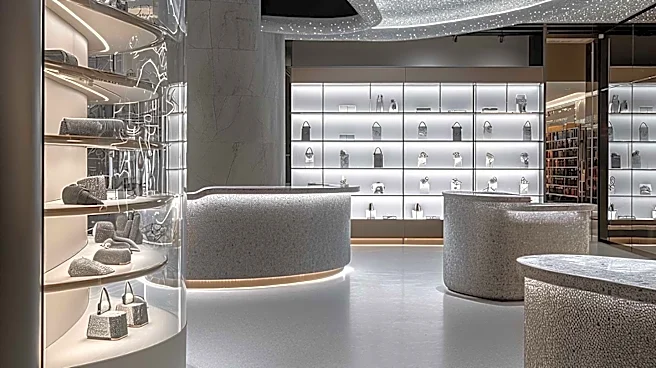
Australian company Air Aroma has become a prominent global player in the scent marketing industry, with key offices in New York, Tokyo, Amsterdam, and Dubai. The company specializes in discreetly pumping custom-designed odors through ventilation systems
in various businesses, including luxury boutiques like Louis Vuitton, airline lounges such as Cathay Pacific, and major hospitality venues like MGM Grand casinos and Sofitel hotels. This strategy aims to engage customers' emotions and encourage them to spend more time and money. Research supports the effectiveness of scent manipulation, with studies showing that the smell of fresh bread can increase bakery sales by up to 300%. Scent is believed to bypass rational thought processes, triggering emotional responses that influence consumer behavior. For instance, a 1990 study by neurologist Dr. Alan Hirsch found that shoppers were 84% more likely to desire identical Nike shoes and willing to pay 10% more when the room was filled with a floral scent. Another study in 1995 by Hirsch demonstrated a 45% increase in gambling revenue in a casino with a pleasant ambient scent. These findings highlight the significant impact of olfaction on consumer psychology.
Why It's Important?
The rise of scent marketing, spearheaded by companies like Air Aroma, signifies a significant shift in retail and hospitality strategies across the U.S. and globally. Businesses are increasingly leveraging the psychological power of smell to enhance customer experience, influence purchasing decisions, and build brand loyalty. This approach moves beyond traditional visual and auditory marketing, tapping into a more primal and emotional aspect of human perception. For U.S. industries, this means a new frontier in competitive differentiation, where the 'olfactory logo' becomes as crucial as visual branding. Companies that successfully integrate scent marketing can potentially see increased dwell times, higher sales, and stronger emotional connections with their customers. Conversely, businesses that fail to adapt may find themselves at a disadvantage, as competitors create more immersive and emotionally resonant environments. The ethical implications of manipulating consumer behavior through subconscious means also become a relevant discussion point, as the line between enhancing experience and subtle persuasion blurs.
What's Next?
The scent marketing industry is expected to continue its expansion, with more businesses in the U.S. adopting sophisticated olfactory strategies. Air Aroma, for example, is already working with large clients like the Climate Pledge Arena in Seattle, designing scents for common spaces in front of food and concession stands. This indicates a trend towards integrating scent into diverse environments beyond traditional retail and hospitality, such as sports venues and corporate offices, where finance firms are reportedly using signature scents to potentially boost employee productivity. The development of 'olfactory logos' will become more refined, requiring a balance of brand identity, demographics, and regional preferences. As the market matures, there will likely be increased demand for specialized 'noses' or professional fragrance designers. Furthermore, the sale of signature scents as consumer products, such as candles offered by clients like Sofitel and RM Williams, suggests a future where brands extend their olfactory presence into customers' homes, reinforcing brand memory and loyalty beyond physical locations.
Beyond the Headlines
The deeper implications of scent marketing extend into the ethical and cultural dimensions of consumer interaction. By operating at a subconscious level, scent can induce feelings of desire, power, vitality, and relaxation without consumers' explicit awareness, as noted by marketing professor Jana Bowden. This 'trance-like effect' raises questions about consumer autonomy and the transparency of marketing tactics. The concept of a 'Proustian effect,' where scents trigger vivid, involuntary memories, is being intentionally harnessed to embed brands deeply within consumers' self-concept and identity, making it the 'holy grail of retail marketing.' This suggests a future where sensory experiences are meticulously engineered to create profound, lasting emotional connections, potentially blurring the lines between genuine personal experience and commercially curated nostalgia. The long-term societal impact of such pervasive sensory manipulation on individual decision-making and emotional well-being warrants further consideration, as businesses increasingly seek to influence behavior through non-rational pathways.