





What's Happening?
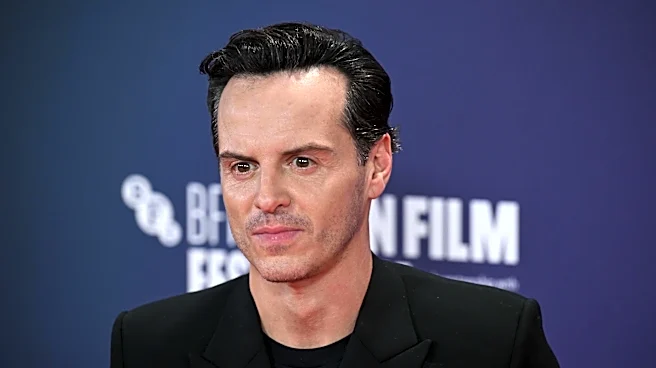
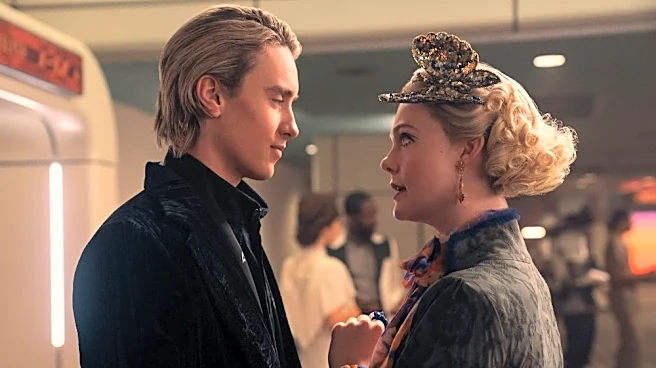
The biographical drama 'Elsinore' delves into the final years of Scottish actor Ian Charleson, portraying his performance as Hamlet at London's National Theatre while secretly battling AIDS. The film dramatizes tempestuous encounters between Charleson (played
by Andrew Scott) and gay director and activist Derek Jarman (played by David Dawson). Screenwriter Stephen Beresford describes Jarman as haunting Charleson, drawing parallels to Hamlet's ghost. Jarman, a prolific artist and filmmaker who died from AIDS complications in 1994, was known for his unconventional work, including 'Sebastiane' and 'Jubilee'. The film explores the rift between Jarman and Charleson, particularly after Charleson reportedly removed 'Jubilee' from his résumé to avoid queer connotations following his success in 'Chariots of Fire'. The encounters in 'Elsinore' are fictionalized, based on Jarman's diary entries written after Charleson's death in 1990. The film also highlights the differing approaches of the two men to their AIDS diagnoses: Charleson kept his private, while Jarman was publicly forthright about his battle.
Why It's Important?
The film 'Elsinore' offers a significant exploration of queer history within the arts, particularly during the AIDS epidemic, a period that profoundly impacted the LGBTQ+ community and the creative industries. By dramatizing the complex relationship between Derek Jarman and Ian Charleson, the film sheds light on the personal and professional struggles faced by gay artists in an era marked by stigma and fear. Jarman's activism and openness about his HIV status contrasted with Charleson's privacy, representing two different responses to a devastating public health crisis. This narrative is crucial for understanding the historical context of LGBTQ+ rights and the challenges of identity in the public eye. For U.S. audiences, the film provides insight into the broader international impact of the AIDS crisis on artistic communities and the enduring legacy of figures like Jarman, whose work continues to influence queer cinema and art. It also underscores the importance of queer representation and storytelling in preserving history and fostering empathy.
What's Next?
The release of 'Elsinore' is expected to reignite interest in the works of Derek Jarman and Ian Charleson, potentially introducing their contributions to a new generation of audiences in the U.S. and globally. The film's portrayal of their complex relationship and the impact of the AIDS crisis could spark further discussions about LGBTQ+ history, activism, and the role of artists in social movements. Screenwriter Stephen Beresford hopes the film will encourage more Americans to engage with Jarman's influential body of work. The film's critical reception and audience engagement will determine its reach and potential for awards recognition, further amplifying its themes. Additionally, the film's use of Jarman's actual home, Prospect Cottage, as a filming location, now a museum, could draw more visitors and attention to his artistic legacy.
Beyond the Headlines
Beyond its biographical narrative, 'Elsinore' delves into profound ethical and cultural dimensions surrounding identity, public persona, and artistic integrity during a time of crisis. The film implicitly questions the societal pressures that led Charleson to conceal his identity and diagnosis, contrasting it with Jarman's defiant openness. This highlights the ongoing tension between personal privacy and the potential for public figures to serve as role models or activists. The film also explores the concept of legacy and how artists are remembered, particularly those whose lives were cut short by illness. Jarman and Charleson symbolize a generation of talent lost to AIDS, prompting reflection on the immeasurable cultural void left by the pandemic. The film's narrative, rooted in Jarman's diary entries, also touches on the subjective nature of memory and history, as it dramatizes events based on one individual's perspective, inviting audiences to consider the complexities of historical truth and artistic interpretation.