





What's Happening?
There is a growing sentiment of fatigue among some audiences and critics regarding the continuous stream of Sherlock Holmes adaptations. Recent announcements, such as Roku's 'Scarlett Holmes' and Sky TV's 'The Death of Sherlock Holmes,' alongside existing
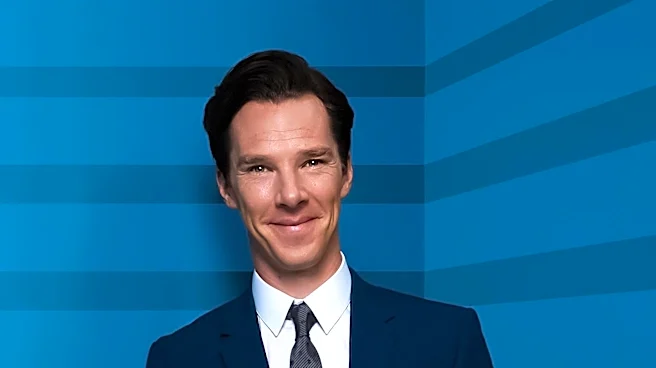
series like 'Enola Holmes' and 'Watson,' are contributing to this saturation. The sheer volume of new interpretations, including a rom-com take on Holmes and an adult-oriented animated show, has led to a feeling that the character is being overused and adapted into too many disparate genres. This sentiment is particularly strong among fans who appreciate earlier, more traditional adaptations, such as the BBC series starring Benedict Cumberbatch.
Why It's Important?
The oversaturation of Sherlock Holmes adaptations is important because it highlights a broader trend in the entertainment industry: the reliance on established intellectual properties. While familiar characters can guarantee an initial audience, an excessive number of adaptations risks diluting the brand, leading to audience fatigue and potentially diminishing the quality and originality of new productions. This trend can stifle the development of new, original stories and characters, as studios prioritize recognizable names over innovative concepts. For the industry, it raises questions about sustainable creative strategies and the balance between leveraging existing fanbases and fostering new narratives. For audiences, it means a potential decline in the unique appeal of beloved characters, as their core essence is stretched across too many interpretations.
What's Next?
If the trend of numerous Sherlock Holmes adaptations continues, it is likely that audience fatigue will intensify, potentially leading to diminishing returns for new projects. Studios might eventually need to re-evaluate their strategies, possibly by taking a hiatus from new adaptations or focusing on more distinct and high-quality interpretations that offer a truly fresh perspective. The success or failure of upcoming projects like 'Scarlett Holmes' and 'The Death of Sherlock Holmes' will be key indicators of whether the market can sustain this volume. There might also be a push from fans and critics for more original content, encouraging a shift away from constant reboots and adaptations of classic characters.
Beyond the Headlines
The phenomenon of Sherlock Holmes adaptation fatigue delves into deeper cultural and economic implications within the entertainment industry. It reflects a risk-averse environment where studios prefer to invest in pre-existing intellectual property rather than original content, due to the perceived lower financial risk. This approach, while understandable from a business perspective, can lead to a lack of creative innovation and a homogenization of content. Ethically, it raises questions about the artistic integrity of constantly reinterpreting classic works, sometimes to the point where they bear little resemblance to the original. Culturally, it speaks to a generational shift in how stories are consumed and valued, with a constant demand for new content often clashing with the desire for quality and originality. This situation could eventually prompt a re-evaluation of how classic literary figures are managed and adapted for contemporary audiences.