








What's Happening?
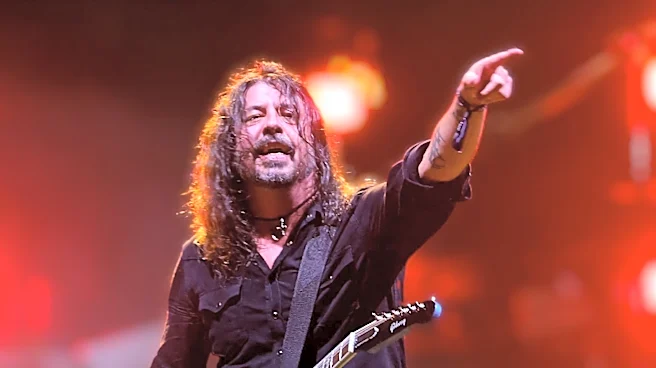
The Foo Fighters concluded their week-long residency on ABC's 'Jimmy Kimmel Live!' with a performance of their song 'Your Favorite Toy.' This performance was part of an extended series of appearances by the band on the late-night program. Throughout the residency,
frontman Dave Grohl also engaged in conversations with Jimmy Kimmel, discussing the band's history. During one such conversation, Grohl recounted how he first met drummer Taylor Hawkins at KROQ's Almost Acoustic Christmas and the circumstances that led him to recruit Hawkins from Alanis Morissette's band. Grohl also provided context for a new Foo Fighters album, giving the audience insight into the material the band has been working on. Earlier in the week, as part of the same residency, the band performed 'This Is a Call,' an early catalog track from their 1995 self-titled debut album, which was recorded primarily by Grohl after the dissolution of Nirvana.
Why It's Important?
The Foo Fighters' week-long residency on 'Jimmy Kimmel Live!' is significant for several reasons within the music and entertainment industry. Such extended appearances on a popular late-night show provide a substantial platform for bands to promote new music, re-engage with their fanbase, and attract new listeners. For the Foo Fighters, this residency allowed them to showcase both their latest material, like 'Your Favorite Toy,' and classic tracks such as 'This Is a Call,' bridging different eras of their career. Dave Grohl's interviews offered valuable insights into the band's history and creative process, which can deepen fan connection and provide context for their musical evolution. These residencies are a strategic marketing tool, generating consistent media coverage and maintaining relevance in a competitive entertainment landscape. For ABC and 'Jimmy Kimmel Live!', hosting a band of the Foo Fighters' stature can boost viewership and cultural cachet, demonstrating the show's ability to attract major musical acts. This type of promotional activity is crucial for artists in an era where traditional album sales have declined, making visibility and direct engagement with audiences paramount.
What's Next?
Following their high-profile residency on 'Jimmy Kimmel Live!', the Foo Fighters are likely to see increased interest in their new album and upcoming projects. The discussions about their new album during Grohl's interviews have set expectations for fans, and the band will likely capitalize on this momentum with further announcements or releases. The performances of both new and older material could lead to a resurgence in streaming and sales for their entire catalog. Additionally, the band is preparing for a series of stadium performances in Australia, and the 'Kimmel' residency serves as a significant promotional lead-up to these international engagements. The exposure gained from the residency will likely translate into higher ticket sales and greater anticipation for their live shows. For 'Jimmy Kimmel Live!' and other late-night programs, the success of such residencies may encourage similar bookings with other prominent musical artists, further solidifying the role of late-night television as a key platform for music promotion and artist engagement.
Beyond the Headlines
The Foo Fighters' residency on 'Jimmy Kimmel Live!' highlights the evolving relationship between music artists and television media in the digital age. While traditional album cycles and music videos remain important, extended television appearances offer a more intimate and sustained form of engagement. Dave Grohl's willingness to share personal anecdotes and historical context about the band's journey, including the recruitment of Taylor Hawkins, adds a human element that resonates deeply with fans. This approach goes beyond mere performance, fostering a narrative that enriches the band's public image and legacy. Such residencies also underscore the enduring power of late-night television as a cultural touchstone, capable of generating significant buzz and shaping public perception of artists. In an era of fragmented media consumption, a concentrated, week-long presence on a major network show provides a cohesive and impactful platform that can cut through the noise, demonstrating the continued relevance of traditional media in the broader entertainment ecosystem.