



What's Happening?
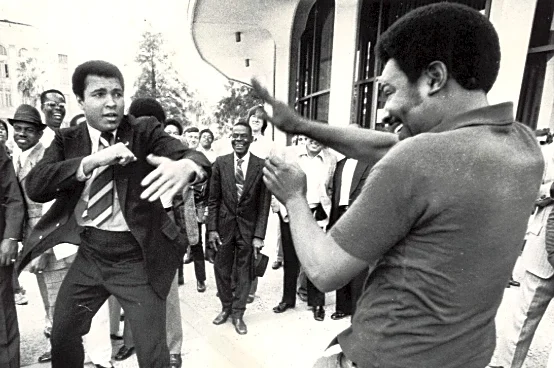
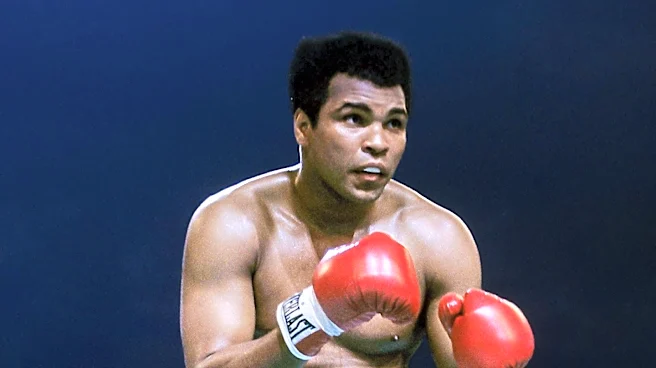
Boxing legend Muhammad Ali, widely considered the greatest of all time by many fans, believed that Joe Louis surpassed his own achievements in the ring. Ali, a three-time world heavyweight champion with notable victories over George Foreman, Joe Frazier,
and Sonny Liston, expressed immense respect for Louis in a resurfaced interview. He highlighted Louis's humility and widespread popularity, stating, "What I remember most about Joe Louis is not how many men he knocked out or how great he was, but how he got so popular and so great on earth but spiritually he just stayed the same. Always humble, you can’t find anybody that hadn’t invested in Joe Louis. Everybody loves Joe Louis." When directly asked if he viewed Louis as the best ever, Ali's response was a simple, unequivocal "[The greatest] of all time." Louis held the world heavyweight championship from 1937 until his initial retirement in 1949, setting a record with 25 consecutive title defenses, the longest single reign by a champion in the sport's history. His final professional record stood at 66 wins from 69 fights. Ali suggested that Louis's cultural impact outside the ring was as significant as his in-ring accomplishments.
Why It's Important?
This revelation from Muhammad Ali is significant because it offers a unique perspective on boxing history from one of its most iconic figures. Ali's endorsement of Joe Louis as the 'greatest of all time' challenges the popular narrative that often places Ali himself at the pinnacle. It underscores the profound influence Louis had, not just as a fighter, but as a cultural icon. Louis's record-setting 25 consecutive title defenses established a benchmark for dominance in the heavyweight division, a feat that remains unparalleled. His humility and widespread admiration, as noted by Ali, highlight the importance of character and sportsmanship in shaping a legacy. This perspective enriches the historical understanding of boxing, reminding fans and analysts that greatness extends beyond statistics and includes the intangible qualities that inspire respect and affection. It also provides a deeper appreciation for the historical context of boxing, where figures like Louis paved the way for future champions like Ali, influencing not only the sport but also broader societal perceptions.
What's Next?
While this is a historical reflection rather than a current event, the resurfacing of Muhammad Ali's comments about Joe Louis could spark renewed discussions and debates among boxing historians, fans, and analysts regarding the 'greatest of all time' in the heavyweight division. Sports media outlets and boxing publications may feature articles or documentaries re-examining Joe Louis's career and cultural impact through Ali's lens. This could lead to a re-evaluation of Louis's standing in the pantheon of boxing greats, potentially increasing his recognition among newer generations of fans. Furthermore, it might encourage a deeper dive into the historical and social contexts that shaped both Louis's and Ali's careers, highlighting the broader significance of their contributions beyond their athletic achievements. The comments serve as a timeless reminder of the respect and admiration that existed between legends of the sport, fostering a continued appreciation for boxing's rich history.
Beyond the Headlines
Muhammad Ali's acknowledgment of Joe Louis's supremacy transcends mere athletic comparison; it speaks to the profound ethical and cultural dimensions of sports. Ali, a figure synonymous with social justice and defiance, recognizing Louis's humility and universal appeal, highlights a different facet of greatness—one rooted in character and societal influence. Louis's long reign as champion during a tumultuous period in American history made him a symbol of hope and pride for many, particularly within the African American community. Ali's comments suggest that Louis's ability to maintain humility and earn widespread love, despite his immense success, was a quality Ali deeply admired and perhaps even aspired to. This perspective encourages a re-examination of what constitutes 'greatness' in sports, moving beyond win-loss records to include moral integrity, cultural impact, and the ability to inspire and unite people. It underscores the idea that true legends leave an indelible mark not just in their field, but on the collective consciousness, shaping values and perceptions for generations.