



What's Happening?
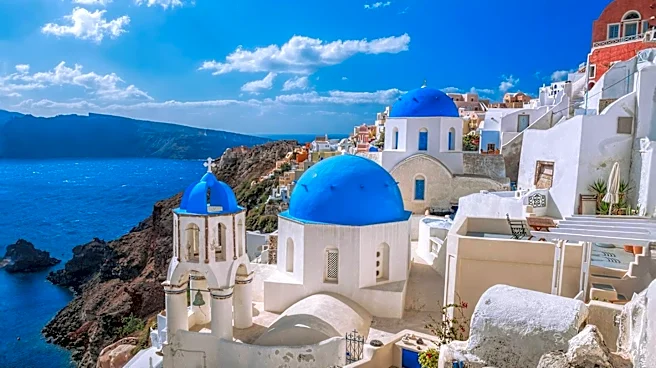
Santorini, Greece, is celebrated for its distinctive crescent-shaped cliffs, charming villages, and breathtaking sunsets. The island's unique landscape is a result of an ancient volcanic eruption that transformed its original form, leaving behind a flooded
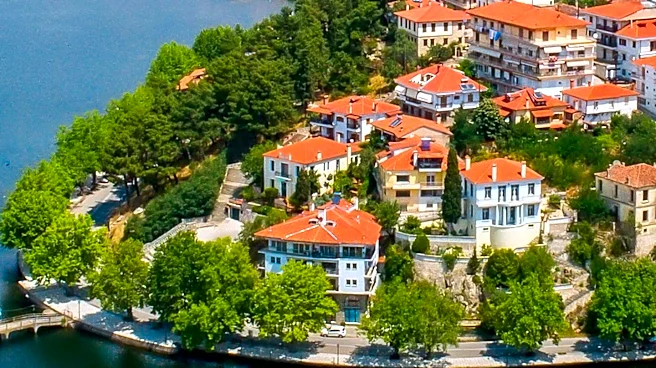
caldera surrounded by towering cliffs. Visitors frequently explore the towns of Fira and Oia, which are characterized by their white-washed buildings and blue-domed churches. The island offers a variety of activities, including wine tours that highlight Santorini's distinctive volcanic soil, known for producing some of Greece's finest wines. Additionally, tourists can relax on popular beaches such as Kamari and Perissa. Accommodation options on the island range from luxurious hotels to comfortable guesthouses, all providing diverse amenities and views of the Aegean Sea. The island's capital, Fira, is perched high on a cliff overlooking the water, while Oia is particularly famous for its sunsets, which draw crowds daily.
Why It's Important?
Santorini's appeal as a premier tourist destination significantly contributes to the Greek economy, particularly its tourism sector. The island's unique geological features, including its volcanic caldera and distinctive architecture, attract a global influx of visitors, supporting local businesses ranging from hospitality and dining to specialized tours like wine tasting. The preservation of its natural beauty and cultural heritage is crucial for sustaining this economic engine. The demand for travel to Santorini also influences international travel markets, with airlines and cruise lines offering routes to accommodate the high volume of tourists. The island's reputation as a romantic and picturesque getaway also impacts global perceptions of luxury travel and destination marketing, setting trends within the tourism industry. The continuous flow of tourism revenue helps in the maintenance and development of infrastructure on the island, benefiting its residents and local enterprises.
What's Next?
Santorini is expected to continue its trajectory as a top-tier global travel destination. Future developments will likely focus on sustainable tourism practices to manage the high visitor numbers and preserve the island's delicate ecosystem and cultural sites. Efforts may include initiatives to control tourist flow, enhance waste management, and promote eco-friendly accommodations and activities. The island's wine industry is also poised for further growth, with increasing interest in its unique Assyrtiko wines, which are cultivated using traditional methods to protect them from strong island winds. Infrastructure improvements, particularly in transportation and visitor services, will likely be ongoing to enhance the tourist experience while minimizing environmental impact. The continued promotion of Santorini through various travel media and film will ensure its sustained popularity and economic contribution.
Beyond the Headlines
Beyond its immediate economic impact, Santorini embodies a profound connection between natural phenomena and human culture. The island's dramatic landscape, born from a catastrophic volcanic eruption, has shaped not only its physical appearance but also its architectural style, agricultural practices, and local traditions. The unique cultivation of grapevines close to the ground in basket-like shapes, for instance, is a direct adaptation to the island's windy conditions, showcasing human ingenuity in harmony with nature. The island's aesthetic, characterized by white-washed buildings and blue domes, has become an iconic representation of Greek identity, influencing design and tourism worldwide. This blend of geological history, cultural adaptation, and aesthetic appeal offers a deeper insight into how environmental forces can sculpt human civilization and create enduring symbols of beauty and resilience.