






What's Happening?
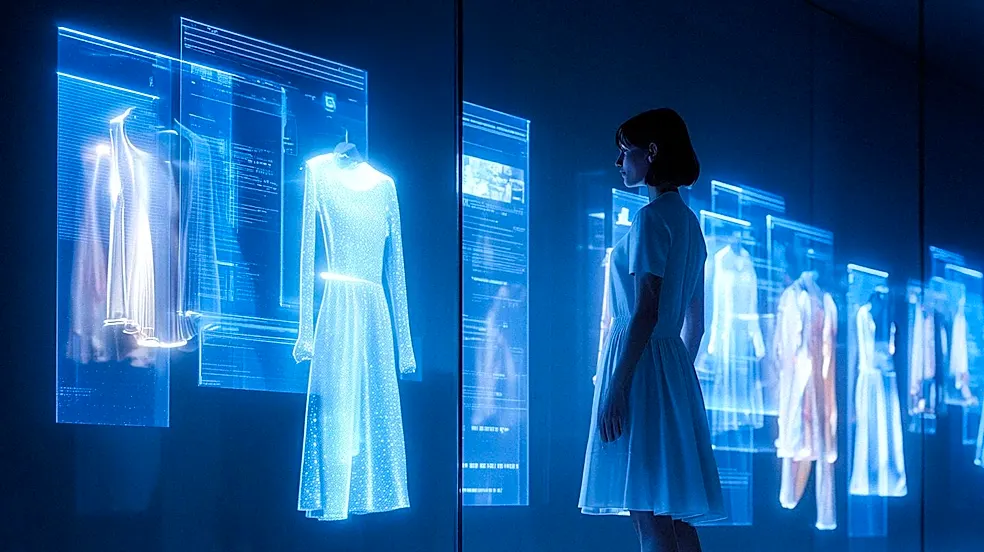
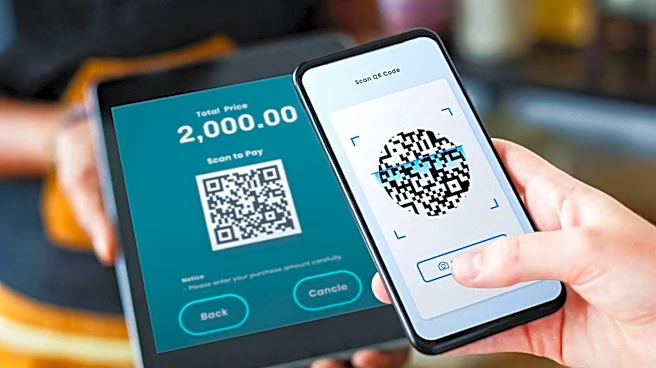
Fashion brands are increasingly integrating location-based QR codes to bridge physical venues with dynamic digital content. This technology allows guests at runway shows, pop-ups, or retail spaces to scan a QR code and instantly access relevant information
such as venue maps, event schedules, local product pages, or exclusive offers. Unlike static printed materials, these QR codes can be updated dynamically, enabling brands to change the linked digital content without altering the physical code. This approach creates context-specific experiences, directing users to information tailored to their exact location and the ongoing campaign. For instance, a QR code at an event entrance might lead to venue details, while one on a store display could link to a local product page or promotion. This method enhances engagement and provides flexible access to information, particularly useful for temporary activations and pop-up events where content needs to evolve rapidly.
Why It's Important?
The adoption of location-based QR codes signifies a significant shift in how the U.S. fashion and retail industries engage with consumers, moving towards more personalized and interactive experiences. This technology offers a cost-effective and efficient way for brands to manage information across multiple physical touchpoints, from major fashion weeks to temporary pop-up shops. By providing immediate access to relevant digital content, brands can enhance customer satisfaction and streamline operations. This innovation is particularly crucial in a competitive market where consumer expectations for seamless digital-physical integration are rising. The ability to track scan analytics, including location, time, and device, also provides valuable data for brands to refine their marketing strategies and understand consumer behavior more deeply, ultimately impacting sales and brand loyalty.
What's Next?
The trend of integrating dynamic QR codes is expected to expand further within the U.S. fashion and retail sectors. Brands will likely continue to explore more sophisticated applications, such as linking QR codes to augmented reality (AR) experiences or personalized shopping recommendations based on user location and preferences. The flexibility of dynamic links means that physical signage can remain consistent while the digital content behind it can be continuously updated to reflect new collections, promotions, or event details. This will lead to more agile marketing campaigns and a richer, more interactive customer journey. As technology advances, the integration of QR codes with other digital tools, such as AI-driven analytics and personalized customer relationship management (CRM) systems, will likely become standard practice, further blurring the lines between online and offline retail experiences.
Beyond the Headlines
Beyond their practical applications, location-based QR codes represent a broader cultural shift towards hyper-contextualized digital interactions. This technology challenges traditional marketing paradigms by making physical spaces gateways to dynamic, personalized digital content. It raises questions about data privacy and the ethical use of location-based analytics, as brands gather more granular insights into consumer movements and preferences. The seamless integration of digital information into physical environments also redefines the role of physical retail, transforming stores and event venues into interactive hubs rather than mere points of transaction. This evolution could lead to new forms of experiential marketing and a re-evaluation of how brands build relationships with their audience in an increasingly digital-first world, emphasizing convenience and immediate access to information.