







What's Happening?
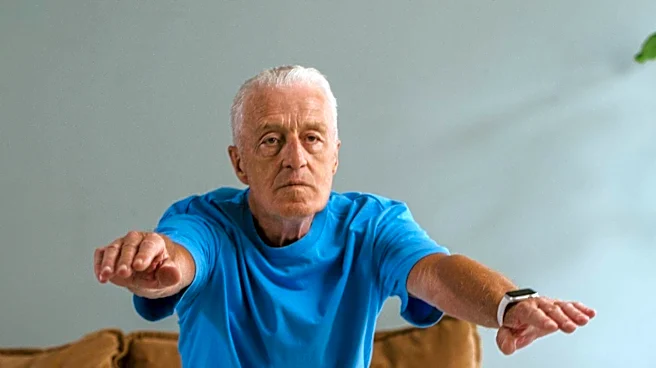
Wellness strategies for individuals over sixty focus on a holistic approach to health, recognizing aging as a natural process rather than a disease. Key recommendations include regular comprehensive health check-ups, maintaining an open dialogue with
primary care physicians, and adhering to prescribed treatment plans. Physical resilience is emphasized through a balanced mix of low-impact cardiovascular exercises like brisk walking or swimming, complemented by a nutrient-dense diet rich in lean proteins, anti-inflammatory whole foods, adequate calcium, and hydration. Restorative sleep (7-8 hours), stress reduction, and active social interactions are also highlighted as crucial for overall well-being. The approach advocates for early detection and management of common age-related changes, distinguishing between normal physiological shifts and actual medical pathologies to avoid unnecessary anxiety and promote proactive preventive care.
Why It's Important?
This comprehensive approach to senior wellness is vital for maintaining quality of life, independence, and dignity in later years. By promoting proactive health management, it aims to mitigate the impact of age-related conditions such as cardiovascular diseases, osteoarthritis, and cognitive decline, reducing the burden on healthcare systems and improving individual outcomes. Emphasizing mental and social well-being alongside physical health addresses the multifaceted challenges of aging, including social isolation, psychological issues, and the fear of losing autonomy. This framework empowers seniors to take an active role in their health, fostering resilience and adaptability. It also encourages a shift in societal perception of aging, moving away from a narrative of decline towards one of continued engagement, purpose, and fulfillment, which can have broader positive impacts on intergenerational relationships and community structures.
What's Next?
The continued adoption and promotion of these holistic wellness strategies will likely lead to improved health outcomes for the aging population. Healthcare providers may increasingly integrate these recommendations into patient care plans, focusing on preventive measures and lifestyle interventions. Public health initiatives could expand to offer more programs tailored to senior fitness, nutrition, and mental health support. Individuals are encouraged to regularly review their health logs, medications, and lifestyle choices with their physicians to adapt strategies as needed. Furthermore, ongoing research into aging processes and wellness interventions will continue to refine these strategies, potentially leading to more personalized and effective approaches for maintaining health and vitality in later life.
Beyond the Headlines
Beyond the immediate health benefits, these wellness strategies foster a cultural shift towards viewing aging as a period of continued growth and contribution. By encouraging active cognitive engagement, creative pursuits, and strong intergenerational connections, the approach challenges ageist stereotypes and promotes the value of older adults in society. It also touches upon ethical considerations regarding the over-medicalization of natural aging processes, advocating for a balanced perspective that distinguishes between normal changes and treatable conditions. This can lead to more informed healthcare decisions, reducing unnecessary interventions and focusing resources on genuine medical needs. Ultimately, by emphasizing dignity, independence, and purpose, these strategies contribute to a more inclusive and age-friendly society where older adults can thrive and continue to enrich their communities.