


What's Happening?
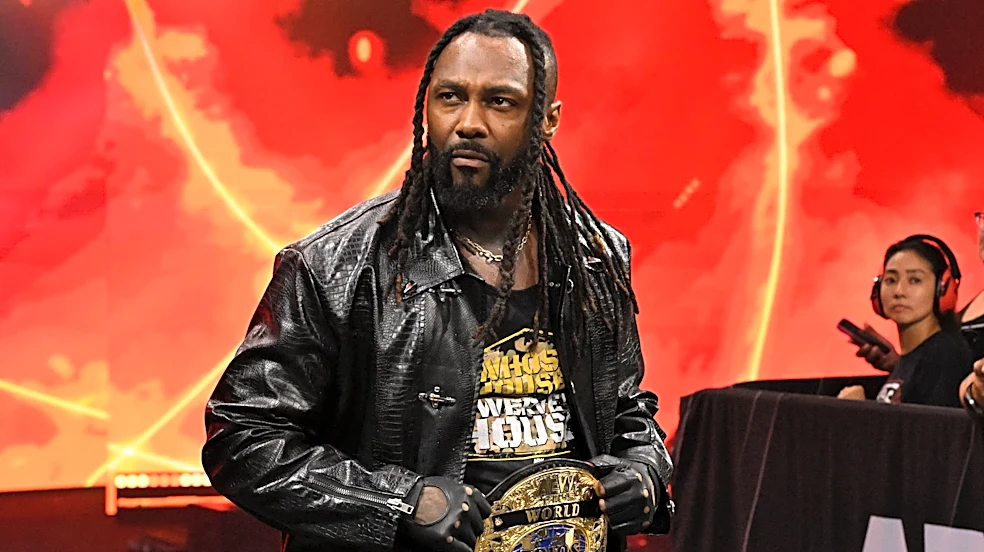
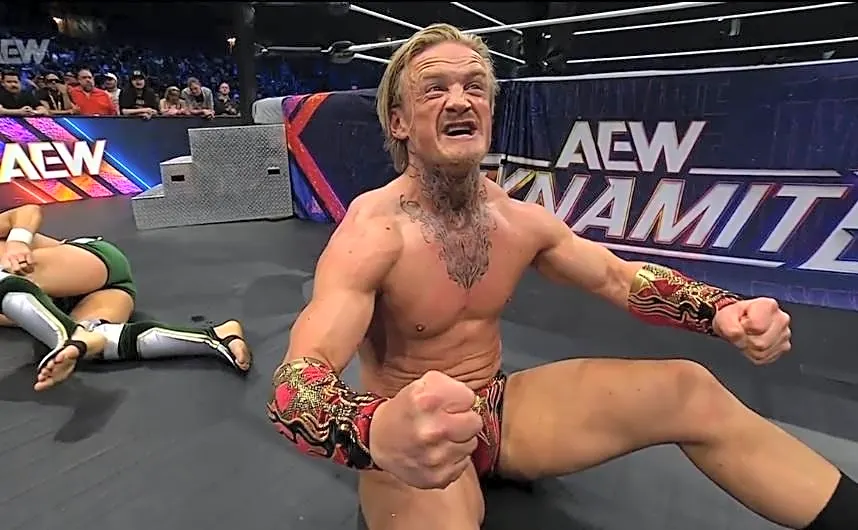
Former AEW World Champion Swerve Strickland has voiced significant skepticism regarding the possibility of a collaborative supershow between World Wrestling Entertainment (WWE) and All Elite Wrestling (AEW). Despite both promotions maintaining working
relationships with other wrestling organizations—WWE with Pro Wrestling Noah, TNA Wrestling, and Game Changer Wrestling, and AEW with New Japan-Pro Wrestling, Stardom, and CMLL—Strickland believes a direct WWE-AEW event is unlikely to occur. He articulated his views during an interview with Billboard, emphasizing that the primary barrier is the issue of 'control' and 'marketing.' Strickland, who previously spent two-and-a-half years with WWE before joining AEW in 2022, highlighted that WWE would prioritize protecting its own talent and brand image, making them unwilling to allow AEW wrestlers to potentially outperform their own. This protective stance, he argues, extends to both male and female wrestlers within WWE.
Why It's Important?
Strickland's perspective is significant as it comes from a wrestler who has experienced both major promotions, offering an insider's view on the competitive dynamics. His comments underscore the deep-seated rivalry and business strategies that govern the professional wrestling industry in the U.S. A potential WWE-AEW supershow has long been a fantasy for many fans and even some performers, who envision it as a historic event. However, Strickland's analysis suggests that the corporate interests and brand protection strategies of WWE, which views AEW as a direct competitor, would prevent such a collaboration. This stance impacts the broader wrestling landscape by reinforcing the existing competitive divide, limiting dream matches, and shaping how talent is utilized and protected within each company. The inability to bridge this gap means fans will likely continue to see talent operate within separate promotional ecosystems, rather than a unified, cross-promotional spectacle.
What's Next?
Given Swerve Strickland's assessment, it is highly probable that the immediate future will not see any significant movement towards a WWE-AEW supershow. Both companies are expected to continue their current strategies of fostering relationships with other, non-competing promotions while maintaining their competitive stance against each other. WWE will likely persist in its efforts to protect its established stars and brand, while AEW will continue to position itself as a viable alternative in the professional wrestling market. Fans and wrestlers may continue to express desires for such a crossover, but without a fundamental shift in the business philosophies of either company, particularly WWE's protective approach, a collaborative event remains a distant prospect. The focus for both promotions will likely remain on strengthening their individual rosters and expanding their respective fan bases.
Beyond the Headlines
The discussion around a potential WWE-AEW supershow extends beyond mere fan desire, touching upon deeper themes of corporate control, market dominance, and the evolving landscape of professional sports entertainment. Strickland's comments highlight how brand identity and perceived leverage dictate inter-promotional relations. The 'protection of the shield' mentality within WWE reflects a broader business strategy common in established industries, where market leaders often resist collaborations that could elevate competitors. This dynamic also influences talent mobility and career trajectories, as wrestlers must navigate the distinct cultures and opportunities offered by each promotion. The absence of a supershow also means that the narrative of professional wrestling remains largely bifurcated, preventing a unified storytelling approach that could potentially captivate a wider audience and create unprecedented historical moments in the sport.