


What's Happening?
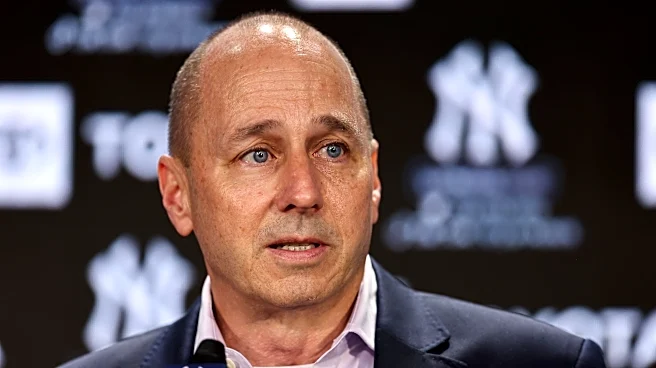
Hal Steinbrenner, the managing general partner of the New York Yankees, is facing significant criticism from the team's fanbase for his prominent role in advocating for a hard salary cap in Major League Baseball (MLB). According to a report from MLB insider
Jon Heyman, Steinbrenner is at the forefront of salary cap discussions. He also sits on MLB’s labor policy committee and has publicly supported the owners’ proposals, which include a $258.2 million hard cap by 2028. This proposed cap represents a substantial reduction from the Yankees' 2026 spending pace. The league's projections indicate that while 12 clubs would increase spending to meet a payroll floor, eight teams, including the Yankees, would be forced to cut approximately $528 million from their payrolls. This stance has led to fan outrage, with many expressing frustration over potential spending constraints and the perceived prioritization of profit over team competitiveness, especially as a lockout looms with the Collective Bargaining Agreement (CBA) expiring on December 1.
Why It's Important?
Steinbrenner's active role in pushing for a hard salary cap carries significant implications for the MLB landscape, particularly for high-spending teams like the Yankees. Historically, the Yankees have leveraged their financial power to acquire top free agents, a strategy that has been central to building their championship teams. A hard cap, as proposed, would limit individual contracts to 15 percent of the cap (approximately $38.7 million in 2028), effectively preventing the Yankees from outbidding rivals for future star players. This shift could fundamentally alter competitive dynamics in the league, potentially leveling the playing field but also diminishing the traditional advantage of large-market teams. The ongoing labor dispute, fueled by the owners' push for a cap and the players' strong opposition, risks a lockout that could disrupt the 2027 season, impacting team operations, player movement, and fan engagement across the league.
What's Next?
With the Collective Bargaining Agreement (CBA) set to expire on December 1, a lockout is widely anticipated by owners, which would immediately freeze all trades and free-agent signings. The previous lockout in 2021-22 lasted 99 days, and a failure to reach a new agreement by mid-to-late February could jeopardize the start of the 2027 MLB season, scheduled for March 24-25. The Major League Baseball Players Association (MLBPA) has vehemently opposed any form of salary cap, viewing it as a mechanism to suppress player salaries, a stance reinforced by historical disputes like the 1994 strike. The coming weeks will likely see continued negotiations, but with both sides appearing entrenched in their positions—owners seeking a cap and floor, and players resisting any cap—the immediate future points towards a period of labor unrest and uncertainty for the league, its teams, and its fans.
Beyond the Headlines
The debate over a hard salary cap in MLB extends beyond immediate financial implications, touching upon the league's competitive philosophy and its historical identity. For decades, MLB has operated without a hard cap, allowing teams with greater revenue streams to invest more heavily in player talent, a system that has produced dynasties and intense rivalries. The proposed shift towards a hard cap represents a fundamental change, moving MLB closer to models seen in other major U.S. sports leagues like the NFL and NBA. This could lead to a more equitable distribution of talent across teams, potentially increasing competitive balance. However, it also risks alienating fans of traditional powerhouses who are accustomed to their teams aggressively pursuing top-tier talent. The backlash against Hal Steinbrenner highlights a deeper tension between ownership's desire for financial sustainability and profitability, and the fanbase's expectation of competitive excellence and investment in winning.