




What's Happening?
Authentic Japanese design principles, particularly 'Ma' (negative space) and 'Kanso' (simplicity), are significantly influencing the design of small home appliances. This approach prioritizes functional minimalism over excessive decoration, leading to
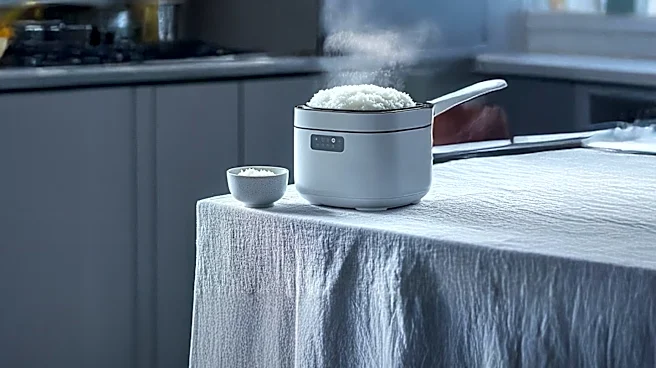
products with clean lines, matte finishes, intuitive single-dial controls, and compact footprints. These appliances are designed to maximize internal capacity while minimizing external dimensions, making them suitable for smaller living spaces. Key characteristics include tactile, mechanical controls, high-quality natural materials like brushed steel or ceramics, and quiet motor operation, indicating superior build quality and acoustic comfort. The design language emphasizes subtlety, often featuring simple analog dials instead of complex digital screens, aiming to reduce cognitive load and transform mundane tasks into mindful moments.
Why It's Important?
This trend in appliance design holds significant implications for the U.S. consumer market and manufacturing sector. As living spaces in urban areas become smaller, the demand for compact, multi-functional, and aesthetically pleasing appliances is likely to grow. U.S. manufacturers and retailers will need to adapt by offering products that align with these minimalist and functional principles, focusing on quality materials, intuitive interfaces, and space-saving designs. This shift could challenge the prevalence of feature-rich, often bulky, appliances, pushing the market towards more refined and intentionally designed items. Consumers stand to benefit from less cluttered homes, more durable products, and a more serene living environment. However, it also highlights the importance of verifying voltage compatibility for authentic Japanese imports, as many are designed for 100V, posing a challenge for U.S. users without proper transformers.
What's Next?
The influence of Japanese functional minimalism is expected to continue shaping product development in the home appliance sector. Manufacturers will likely invest more in research and development to create appliances that embody 'Ma' and 'Kanso,' focusing on material honesty, quiet operation, and compact designs. We may see an increase in appliances with simplified controls and a reduction in unnecessary digital features. Retailers might curate specialized sections for minimalist or Japanese-inspired home goods, catering to a growing consumer base that values intentionality and aesthetic subtlety. Furthermore, there could be a greater emphasis on educating consumers about the benefits of functional minimalism and the importance of product authenticity, including voltage considerations for imported goods. This trend could also spur innovation in smart home technology that integrates seamlessly and unobtrusively into minimalist environments.
Beyond the Headlines
Beyond aesthetics and functionality, this design philosophy taps into a deeper cultural appreciation for mindfulness and simplicity in daily life. The emphasis on reducing cognitive load and transforming routine tasks into moments of calm reflects a broader societal desire to counteract the overwhelm of modern living. Ethically, it promotes sustainability by favoring durable, high-quality products designed to last, thereby reducing waste and the need for frequent replacements. Legally, it underscores the importance of clear product labeling, especially regarding voltage requirements, to prevent damage and ensure consumer safety. Culturally, it introduces a more contemplative approach to consumerism, encouraging individuals to invest in fewer, better-designed items that enhance their well-being rather than merely accumulating possessions. This shift could foster a more conscious consumer culture in the U.S., valuing quality and intentionality over quantity and fleeting trends.