






What's Happening?
Milan Malpensa Airport (MXP) is actively pursuing new long-haul flight services, with a particular focus on the U.S. West Coast, South America, and Asia. Aldo Schmid, SEA Milan Airports' aviation business development head, identified Los Angeles, San
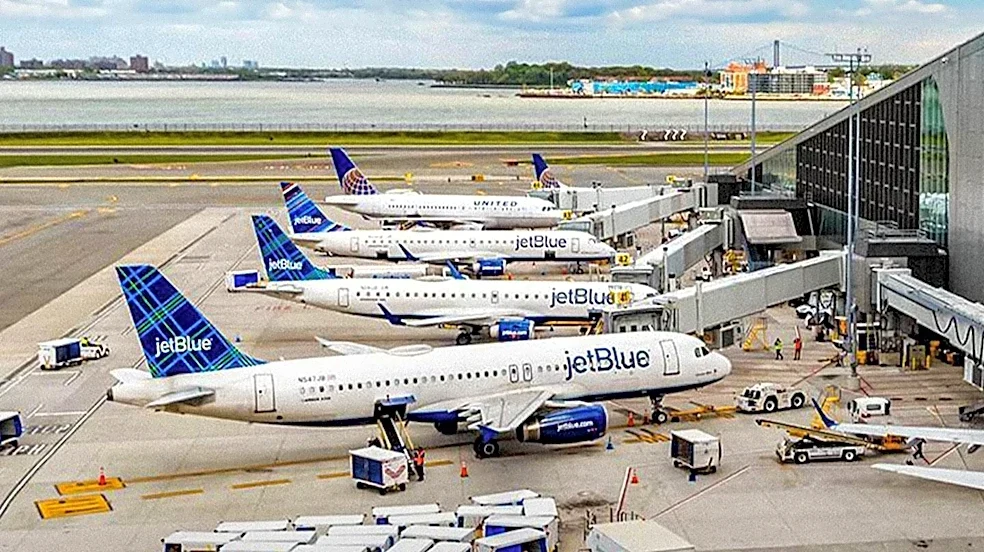
Francisco, and Seattle as key priorities for direct connectivity, noting significant leisure, premium, and corporate demand despite these routes currently being unserved. The airport also aims to expand into South America, targeting cities like Lima, Buenos Aires, Bogota, and Rio de Janeiro, where demand is 18% above pre-COVID levels. In Asia, MXP seeks to grow beyond its current 17 weekly frequencies to three destinations, with Manila, Jakarta, and Kuala Lumpur identified as potential new markets. This initiative follows a 6.7% increase in Milan's U.S. traffic in the first half of 2026, with new services from JetBlue, American Airlines, and planned expansions by Delta Air Lines and United Airlines for 2027.
Why It's Important?
This strategic expansion by Milan Malpensa Airport holds significant implications for U.S. travelers and businesses. Increased direct flights to major U.S. cities, particularly on the West Coast, will enhance accessibility and reduce travel times, benefiting both tourism and business travel. For U.S. airlines, these new routes represent opportunities for market expansion and increased revenue, especially given the strong premium outbound demand from northern Italy. The focus on South America and Asia also suggests a broader effort to integrate Milan into a more comprehensive global network, which could facilitate trade and cultural exchange with the U.S. The introduction of new routes by U.S. carriers like JetBlue, American Airlines, Delta Air Lines, and United Airlines underscores the economic viability and strategic importance of the transatlantic market, potentially leading to more competitive pricing and diverse travel options for consumers.
What's Next?
Milan Malpensa Airport anticipates further transatlantic development in the coming years. Delta Air Lines plans to increase its Boston flights to daily in 2027, and United Airlines is scheduled to launch a three-times-weekly Washington Dulles service in May 2027, re-establishing a connection that has been absent for 26 years. Beyond the U.S., Aeromexico is set to introduce four-times-weekly Mexico City flights in March 2027, catering to leisure, business, and cargo demand. The airport will continue to engage with airlines to overcome fleet limitations, which Schmid noted as a constraint despite high demand across all travel segments. The success of these new routes and the airport's ability to attract more foreign airlines will be crucial in achieving its long-term goal of a diversified and robust global network.
Beyond the Headlines
The drive by Milan Malpensa Airport to expand its long-haul network highlights the intense competition among European airports to capture lucrative international traffic. By targeting unserved or underserved routes, MXP aims to position itself as a key gateway for travelers from northern Italy, a region known for its high-spending residents and strong industrial base. This strategy also reflects a broader trend in the aviation industry where airports are increasingly proactive in route development, often working directly with airlines to identify and cultivate new markets. The emphasis on newer, more fuel-efficient aircraft for thinner long-haul markets indicates an adaptation to evolving airline economics and environmental considerations. This could set a precedent for other airports looking to expand their reach while managing operational costs and sustainability goals.