






What's Happening?
In quiet massage rooms, even minor equipment noises can become significantly amplified and disruptive to client relaxation. This phenomenon occurs because the absence of background sound, known as auditory masking, makes subtle noises more noticeable.
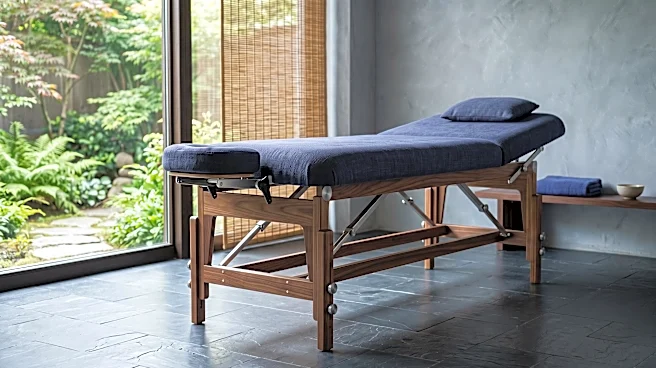
Sounds from massage tables, adjustable spa furniture, small heating devices, and rolling carts, which might go unnoticed in a bustling environment, stand out sharply in a peaceful setting. Common culprits include creaking massage tables, clicking adjustable components, mechanical hums from electric tables, and rattles from loose accessories. The article emphasizes that the equipment itself isn't necessarily louder, but the quiet environment allows these sounds to become prominent. Unexpected noises are particularly disruptive as they break the client's sense of calm, highlighting the need for spa professionals to identify and mitigate these distractions to ensure a consistently relaxing experience.
Why It's Important?
The heightened perception of equipment noise in quiet massage rooms has direct implications for the client experience and the business reputation of U.S. spas and wellness centers. A primary goal of massage therapy is relaxation, and disruptive sounds can undermine this, leading to client dissatisfaction and potentially impacting repeat business and referrals. For spa owners, this means that even well-maintained equipment can inadvertently detract from the service quality if not managed within the context of a quiet environment. Addressing these 'tiny' noises is crucial for maintaining the perceived value of high-end spa services. It also underscores the importance of thoughtful room design, equipment selection, and operational protocols that prioritize acoustic comfort. Investing in quieter equipment, implementing regular maintenance checks, and optimizing room acoustics can significantly enhance the client experience, contributing to a spa's competitive edge and overall success in the wellness market.
What's Next?
Spa professionals are advised to conduct regular 'noise audits' by experiencing the treatment room from a client's perspective, listening for any distracting sounds during typical operating conditions. This includes checking massage tables for creaks, operating warming equipment, and assessing noises from carts and accessories. Prioritizing fixes based on safety concerns first, followed by repetitive distractions and then room acoustics, is recommended. Strategies include performing routine table adjustments before the treatment begins, ensuring proper maintenance of all equipment, and organizing supplies to minimize incidental noises. Additionally, incorporating soft furnishings like curtains and rugs can help absorb sound. While complete silence isn't always ideal, subtle background audio, such as quiet instrumental music, can help mask minor sounds without becoming a distraction. When purchasing new equipment, spa owners should consider noise characteristics alongside other features, and ensure staff are trained on quiet operational practices.
Beyond the Headlines
The issue of noise in quiet spaces extends beyond the immediate spa environment, touching upon the broader psychological and physiological impacts of sound on human well-being. In an increasingly noisy world, the demand for truly tranquil spaces is growing, making the ability of spas to deliver on this promise a critical differentiator. This article highlights the intricate relationship between sensory input and relaxation, suggesting that even seemingly insignificant details can profoundly affect a client's experience. It also implicitly calls for a more holistic approach to spa design and management, where acoustics are considered as vital as aesthetics and service quality. Furthermore, the discussion on auditory masking and the impact of unexpected sounds delves into principles of environmental psychology, emphasizing how predictability and consistency in a sensory environment contribute to a sense of calm. This understanding can inform future innovations in wellness space design, leading to environments that are not just visually appealing but also acoustically optimized for deep relaxation and therapeutic benefit.