






What's Happening?
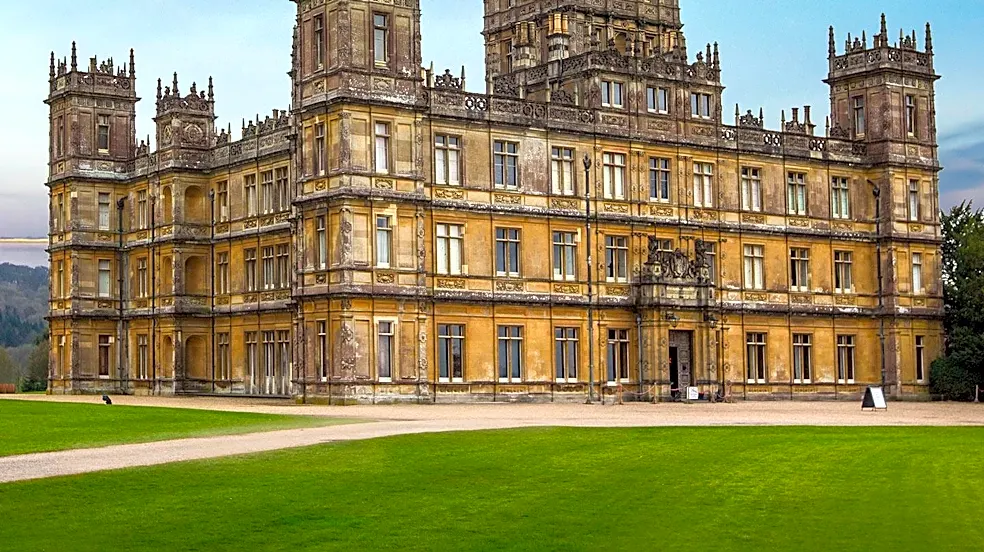
Highclere Castle, the primary filming location for the television series 'Downton Abbey,' has experienced a significant increase in global tourism, which is now funding crucial restoration work. The estate, with a history dating back to the Domesday Book
of 1086, underwent a Jacobethan redesign by architect Charles Barry in the 19th century. The 5th Earl of Carnarvon, co-discoverer of Tutankhamun's tomb, also brought Egyptian artifacts to the castle, which are now part of an exhibition. The castle faced near-collapse in the 1980s due to deterioration, but its transformation into a filming location for 'Downton Abbey' in 2010 revitalized its financial stability. The series, and a subsequent feature film in 2019, have cemented Highclere Castle's status as a major heritage tourism destination, allowing visitors to explore the State Rooms and gardens while contributing to its ongoing preservation.
Why It's Important?
The success of 'Downton Abbey' in driving tourism to Highclere Castle highlights a significant model for heritage preservation through popular culture. This phenomenon demonstrates how media productions can generate substantial revenue, directly funding the maintenance and restoration of historic sites that might otherwise fall into disrepair. For the U.S. and other countries with rich historical architecture, this serves as a case study for leveraging entertainment to support cultural heritage. The influx of visitors not only provides financial resources but also raises global awareness of historical properties, fostering a broader appreciation for architectural and cultural legacies. This model can inspire similar initiatives, where film and television productions are strategically utilized to create sustainable funding streams for the preservation of national treasures, benefiting local economies through tourism and employment.
What's Next?
The continued popularity of 'Downton Abbey' and the associated tours suggest that Highclere Castle will remain a significant tourist attraction. Future efforts will likely focus on sustaining this tourism momentum to ensure long-term funding for the castle's preservation. This could involve developing new tour experiences, special events, or further media projects that feature the estate. The real Carnarvon family, who still reside in private wings of the castle, will continue to manage the balance between public access and private living. The success of this model may also encourage other historic estates to seek similar partnerships with media productions, potentially leading to a broader trend of cultural heritage sites leveraging entertainment for financial sustainability and public engagement.
Beyond the Headlines
The 'Downton Abbey' phenomenon at Highclere Castle illustrates the profound impact of storytelling on cultural preservation and economic development. Beyond the immediate financial benefits, the series has created a global emotional connection to a specific historical period and architectural style. This connection transcends mere tourism, fostering a deeper appreciation for the past and the craftsmanship of previous eras. It also raises questions about the commercialization of heritage and the balance between authenticity and accessibility for a mass audience. The ethical implications of using private historical residences for public entertainment, while necessary for their survival, also warrant consideration regarding the potential alteration of their original character or the commodification of history. Ultimately, it underscores the evolving relationship between historical sites, media, and the public in the 21st century.