


What's Happening?
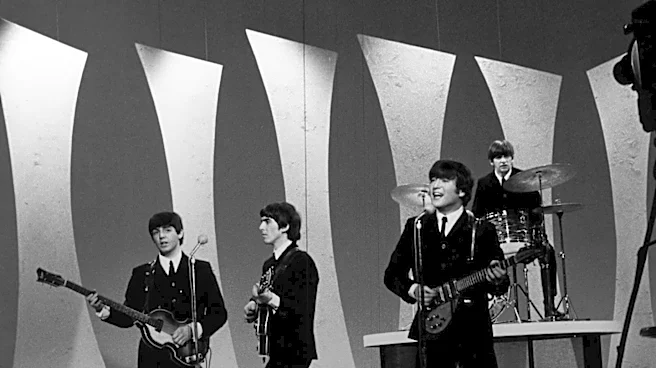
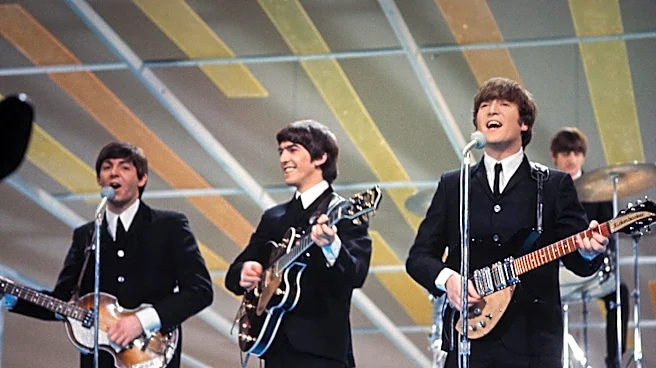
The Beatles' 1965 album 'Help!' is being recognized for its significant role in the band's musical development, allowing them to break away from conventional roles and explore new styles. While their first film, 'A Hard Day’s Night,' was exciting, the second,
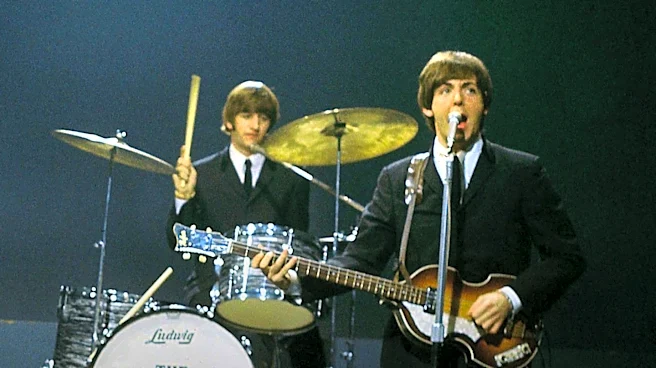
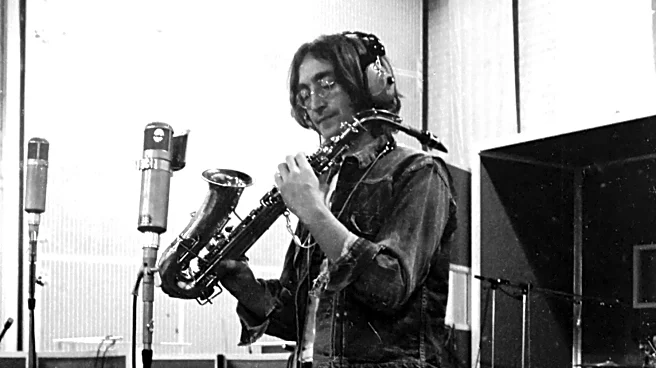
'Help!,' found the group less enthusiastic, feeling like 'extras in their own movie.' Despite their disinterest in the film's plot, which involved a fan sending Ringo a sacrificial ring leading to a chase across various locations, the album itself became a turning point. The band began to experiment with instrumentation beyond their standard setup of drums, guitars, bass, and occasional piano. This included Paul McCartney playing lead guitar on tracks like 'Another Girl' and 'Ticket To Ride,' John Lennon switching to electric piano for 'The Night Before,' and the incorporation of a flute solo in 'You’ve Got To Hide Your Love Away.' The album also featured their first 'unplugged' recording, 'I’ve Just Seen A Face,' and Paul McCartney's solo performance on 'Yesterday,' backed by a string quartet.
Why It's Important?
The 'Help!' album's experimental nature is crucial because it laid the groundwork for The Beatles' subsequent, more complex works, notably 'Rubber Soul.' This period marked a shift in their creative focus from live performance to studio recording, influencing how pop music was made. By introducing new instruments and arrangements, they expanded the sonic possibilities within popular music, encouraging other artists to push boundaries. The album also showcased a growing lyrical depth, particularly influenced by Bob Dylan, as seen in songs like 'You’ve Got To Hide Your Love Away' and the title track 'Help!,' where John Lennon expressed more personal emotions. This move towards introspection and musical innovation helped solidify The Beatles' legacy as pioneers who continuously evolved, impacting not only their own career trajectory but also the broader landscape of popular music and album production.
What's Next?
While the source does not explicitly detail future plans related to the 'Help!' album, its continued recognition highlights an ongoing appreciation for The Beatles' artistic evolution. The album's influence is likely to persist in music education, critical analyses, and fan discussions, serving as a benchmark for creative growth within popular music. Future retrospectives, documentaries, or re-releases of The Beatles' catalog will undoubtedly continue to emphasize 'Help!' as a pivotal moment. The band's willingness to experiment during this period set a precedent for artists to prioritize studio creativity, a trend that continues to shape contemporary music production and artistic development.
Beyond the Headlines
The 'Help!' album's significance extends beyond its musical innovations, touching upon the psychological impact of Beatlemania on the band members. Their retreat into marijuana use during the filming of 'Help!' suggests a coping mechanism for the intense pressures of global fame. This period of disengagement from the film's production, coupled with their heightened focus on musical experimentation, reveals a deeper artistic drive to control their creative output amidst external demands. The album's shift towards more personal songwriting, influenced by artists like Bob Dylan, also reflects a broader cultural movement towards introspection and authenticity in popular art. This blend of personal struggle and artistic liberation during the 'Help!' era offers a compelling narrative about the challenges and triumphs of creative expression under immense public scrutiny.