


What's Happening?
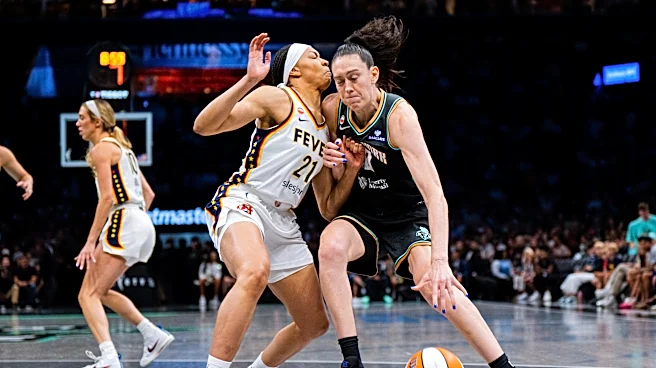
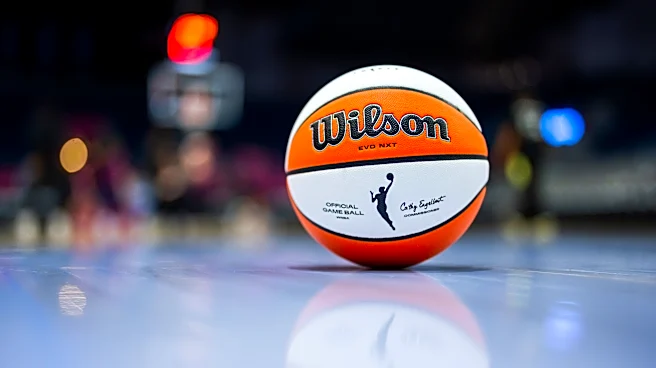
Outside a sold-out WNBA game between the Indiana Fever and the New York Liberty at Barclays Center in Brooklyn, dueling protests took place, reflecting the national debate over transgender athletes in sports. One group advocated for transgender inclusion,
chanting 'Trans lives matter!' and holding signs that read 'Stomp out transphobia' and 'Ban bigots, not trans women.' They distributed shirts stating 'trans people belong here.' Conversely, another group protested against transgender women in women's sports, displaying signs like 'save women's sports' and wearing Statue of Liberty crown hats. This group argued that biological males have an unfair advantage in women's sports. The WNBA has become a central point for this discussion, particularly after comments made by Indiana Fever guard Sophie Cunningham regarding transgender athletes.
Why It's Important?
The protests highlight the deep divisions within American society regarding gender identity and fairness in sports, impacting the WNBA's image and its fan base. The league, known for its progressive stance and inclusivity, is now navigating a contentious social issue that has drawn national attention. While there are no openly transgender players in the WNBA, the debate has been fueled by comments from players and broader legislative actions, including state laws banning transgender girls and women from participating in women's sports. This situation forces the WNBA to address complex questions about its values, its role as a platform for social issues, and how it balances diverse viewpoints among its athletes and supporters. The controversy could influence public perception, sponsorship deals, and the league's internal policies on inclusion.
What's Next?
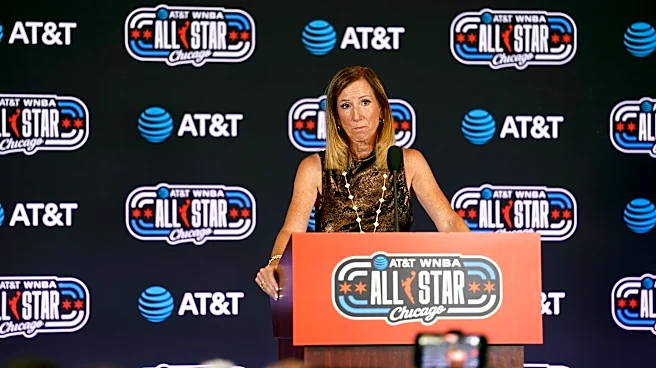
The WNBA is likely to continue facing scrutiny and pressure from both sides of the transgender athlete debate. Commissioner Cathy Engelbert has already denounced 'bad faith actors' attempting to sow divisiveness, indicating the league's stance against those using it as a political platform. Future actions might include further statements from the league, potential policy clarifications, or increased engagement with advocacy groups. The ongoing national conversation and legislative efforts regarding transgender athletes will continue to shape the environment in which the WNBA operates. The league's response will be critical in maintaining its identity as an inclusive space while addressing concerns about fair play and women's sports integrity.
Beyond the Headlines
The WNBA protests underscore a broader cultural conflict about identity, rights, and biological differences in competitive environments. This debate extends beyond sports, touching on legal, ethical, and social dimensions of gender. The league's experience reflects how professional sports organizations are increasingly becoming arenas for social and political discourse, often against their will. The challenge for the WNBA, and other sports leagues, is to navigate these complex issues in a way that upholds their values, protects their athletes, and maintains their audience. The situation also highlights the power of athletes' voices and the influence they can have on public opinion and social change, even when their views differ significantly.