





What's Happening?
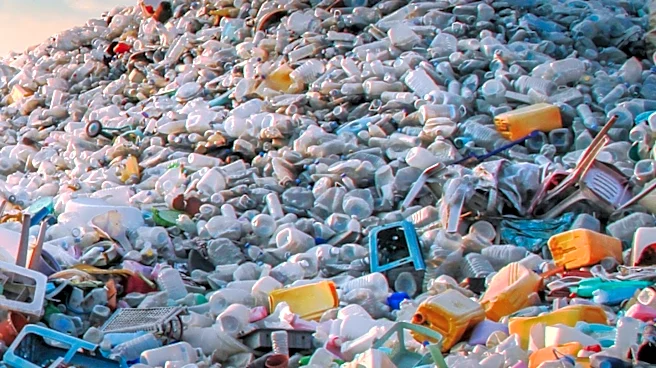
BioBTX, a circular chemistry technology developer supported by Covestro, announced plans to build a commercial-scale plant in Delfzijl, the Netherlands. This facility will convert mixed plastic waste into aromatic chemicals using BioBTX’s Integrated Catalytic
Cracking Process (ICCP). The plant is projected to process approximately 20,000 metric tons of waste annually, yielding about 10,000 metric tons of aromatic oil and 8,000 metric tons of sustainable byproducts. The ICCP technology utilizes catalytic pyrolysis to transform mixed plastic waste into an aromatic oil containing benzene, toluene, and xylenes (BTX), which are essential building blocks for products like coatings, pharmaceuticals, and performance materials. Covestro, a shareholder and strategic partner since 2024, notes that these aromatic chemicals can also be used to produce methylene diphenyl diisocyanate (MDI) and toluene diisocyanate (TDI), key components for polyurethane foams used in mattresses and refrigerator insulation.
Why It's Important?
This project represents a significant step towards a circular economy for plastics, offering a solution to the growing global plastic waste crisis. By converting mixed plastic waste into valuable chemical building blocks, the plant aims to reduce reliance on fossil-based resources for chemical production. BioBTX anticipates that this process will cut greenhouse gas emissions associated with the resulting chemical building blocks by 70% to 80% compared to conventional fossil-based BTX production. The ability of ICCP technology to process mixed plastic waste, rather than requiring a single sorted waste stream, enhances its practicality and potential impact. This initiative aligns with broader sustainability goals and could serve as a model for similar facilities globally, contributing to a reduction in environmental pollution and carbon footprint within the chemical industry.
What's Next?
The plant will be constructed at Chemical Park Delfzijl, following 14 years of laboratory and pilot-scale development of the ICCP technology. The project is expected to create 35 jobs. BioBTX also indicated that its process can accommodate other potential feedstocks, including biomass, suggesting future versatility. Covestro is simultaneously pursuing additional MDI capacity, with plans to invest in a 660,000-metric-ton/year MDI production train in Shanghai, China, targeted for completion by the end of the decade. They are also conducting a feasibility study for a similarly sized MDI production train in Al Ruwais Industrial City in the United Arab Emirates. These parallel investments highlight a strategic shift towards more sustainable and circular production methods within the chemical manufacturing sector.
Beyond the Headlines
This development underscores the increasing pressure on industries to adopt sustainable practices and reduce their environmental impact. The investment in advanced recycling technologies like ICCP reflects a growing recognition that traditional recycling methods are insufficient for the vast quantities and diverse types of plastic waste generated. The project could stimulate further innovation in chemical recycling, leading to more efficient and environmentally friendly ways to manage plastic waste. Furthermore, the collaboration between BioBTX and Covestro exemplifies how partnerships between technology developers and established industrial players can accelerate the transition to a circular economy. This shift could also influence policy-making, encouraging governments to support and incentivize the development and deployment of similar sustainable technologies.