


What's Happening?
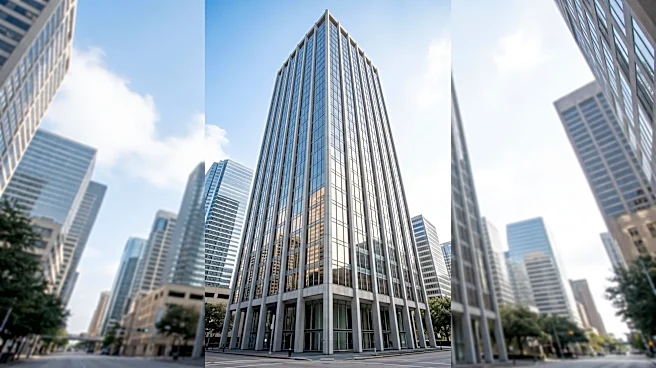
Bushburg Properties has entered into a contract to purchase the vacant 60 Wall Street skyscraper for $400 million. The company is reportedly planning to convert the former office building into residential apartments. This acquisition is part of a broader
trend in Manhattan, where over 25 million square feet of office space is being repurposed, with downtown Manhattan accounting for 44% of these conversions. Bushburg Properties, led by Joseph Hoffman, has a history of successfully transforming downtown office buildings into rental units, including nearby 100 William Street and 80 Pine Street. The 47-story building at 60 Wall Street has been dark since Deutsche Bank relocated between 2018 and 2021, and a previous $250 million modernization plan failed to attract office tenants. The conversion of 60 Wall Street is expected to be challenging due to the building's large floor plates, which may require significant architectural modifications to create sufficient apartment windows.
Why It's Important?
This acquisition and planned conversion are significant for Lower Manhattan's real estate market and urban development. The transformation of a major vacant office tower into residential units addresses the increasing demand for housing in New York City while repurposing underutilized commercial space. This move by Bushburg Properties signals a strong vote of confidence in Lower Manhattan's future, contributing to the neighborhood's ongoing residential growth and economic recovery. The conversion trend helps to diversify the urban landscape, potentially bringing more residents and vitality to areas that were once primarily commercial. The success of such large-scale conversions could also serve as a model for other cities facing similar challenges with vacant office properties, influencing urban planning and development strategies nationwide. The project also highlights the adaptive reuse of existing infrastructure as a sustainable approach to urban development.
What's Next?
Bushburg Properties will proceed with detailed planning for the conversion of 60 Wall Street into residential units. This will involve addressing the architectural challenges posed by the building's large floor plates, potentially requiring innovative design solutions such as carving out sections to create apartment windows. The project will likely undergo various regulatory approvals and permitting processes with city authorities. If successful, the conversion will add a substantial number of new residential units to Lower Manhattan, further contributing to the area's demographic shift towards a more mixed-use neighborhood. The progress of this project will be closely watched by other developers and urban planners as a case study in large-scale office-to-residential conversions, potentially influencing future investment and development decisions in similar urban cores.
Beyond the Headlines
The conversion of 60 Wall Street reflects a significant shift in urban real estate dynamics, driven by changing work patterns and the persistent demand for housing in major cities. This trend of repurposing office buildings into residential spaces has broader implications for urban planning, sustainability, and the economic health of downtown areas. It highlights the need for flexibility in urban infrastructure and zoning regulations to adapt to evolving societal needs. Ethically, such conversions can contribute to urban revitalization by reducing blight and increasing housing supply, but they also raise questions about affordability and gentrification if not managed inclusively. Legally, these projects often navigate complex building codes and historical preservation concerns. Culturally, the transformation of iconic financial district buildings into residential communities could alter the identity and social fabric of these neighborhoods, fostering more vibrant, 24/7 environments rather than solely business-centric districts.