

What's Happening?
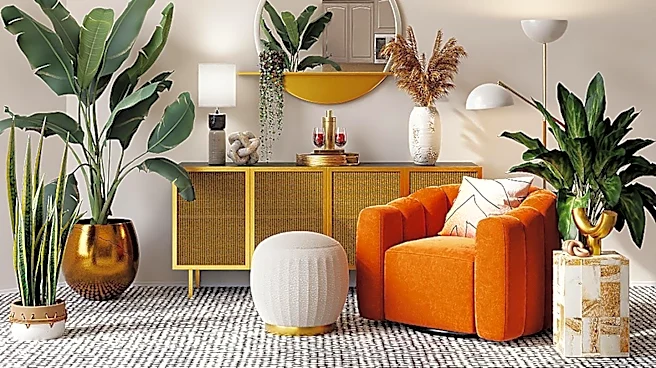
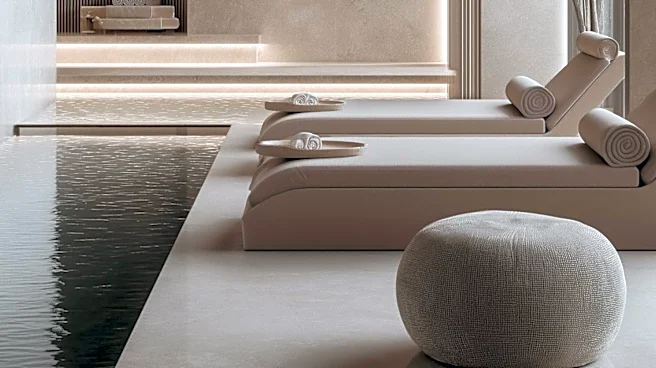
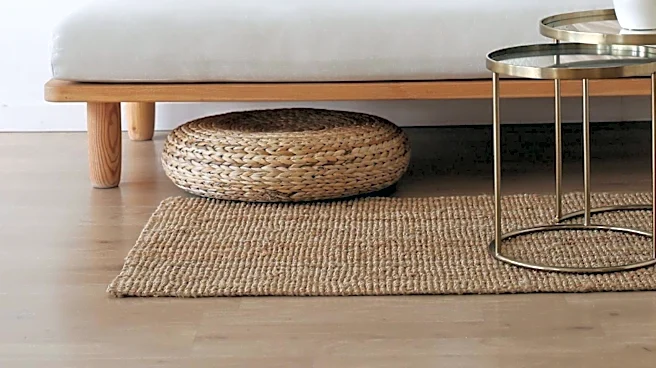
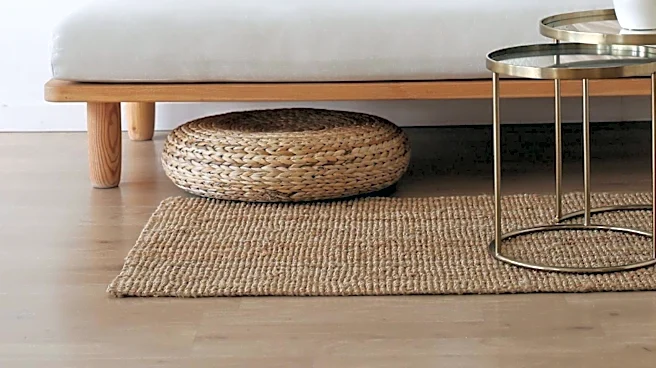
Minimalism, a design philosophy centered on simplicity and functionality, is gaining prominence in home decor and architecture. This trend moves away from sterile, cold aesthetics towards warm, organic living spaces. Key elements include neutral color
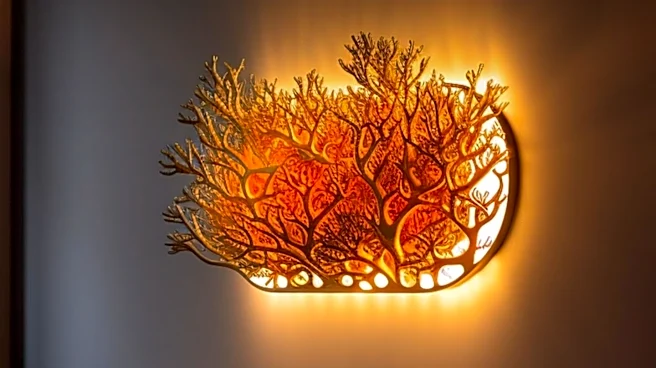
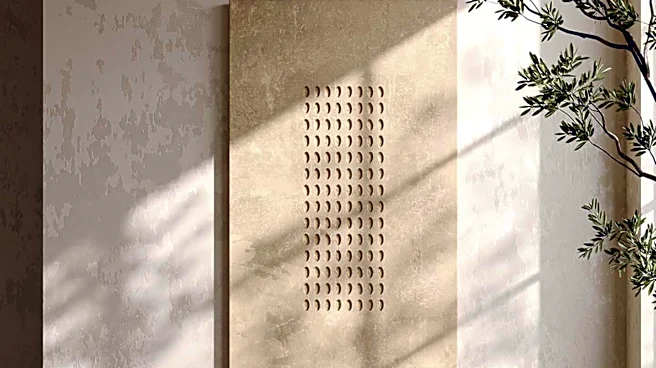
palettes, natural materials, and handcrafted items like Bali vases, which are noted for their earthy and minimalist appeal. Designers are focusing on clean lines, subtle curves, and unglazed surfaces to create visual interest without clutter. The approach involves using items that possess genuine character, such as artisanal ceramic and stone trays, hand-woven textiles, and abstract sculptural objects, to build a serene and luxurious environment. The integration of high-end lighting is also crucial to enhance natural materials and create an inviting ambiance, with techniques like grazing light to highlight textures and warm color temperatures to make rooms feel cozy.
Why It's Important?
This shift in home decor reflects a broader societal desire for tranquility and intentional living in a fast-paced world. For U.S. industries, this trend impacts manufacturers and retailers of home furnishings, lighting, and decorative accents, encouraging a focus on sustainable, high-quality, and artisan-made products. Businesses that adapt to this demand for organic textures, neutral tones, and handcrafted elements stand to gain, while those clinging to outdated styles, such as uniform white quartz countertops, may lose market share. The emphasis on creating a 'sanctuary' at home also highlights a consumer preference for well-being and comfort, influencing product development and marketing strategies across the home goods sector. This trend also supports smaller artisans and craftspeople, as their unique, handmade items are central to the earthy minimalist aesthetic.
What's Next?
The continued evolution of minimalist design is expected to further integrate technology that supports simplicity and functionality, such as smart home devices that blend seamlessly into uncluttered environments. Consumers will likely seek out more personalized and curated decor, moving away from mass-produced items towards unique pieces that tell a story. Retailers will need to offer diverse selections of quality fixtures and decor that align with this aesthetic, potentially leading to more collaborations with independent artists and sustainable brands. Showroom displays will increasingly focus on demonstrating how different lighting and decor elements interact to create a cohesive, tranquil space. The demand for expert interior styling guidance will also grow as individuals seek to create personalized, minimalist sanctuaries.
Beyond the Headlines
The embrace of minimalism in home decor extends beyond aesthetics, touching upon ethical and cultural dimensions. It encourages a more conscious consumption, prioritizing quality over quantity and valuing craftsmanship and natural materials. This can lead to a reduction in waste and a greater appreciation for the origins and production processes of goods. Culturally, it reflects a global influence, drawing inspiration from traditions like Balinese craftsmanship, which emphasizes harmony with nature. The trend also subtly challenges the consumerist culture by advocating for fewer, more meaningful possessions, potentially fostering a deeper connection to one's living space and promoting mental well-being through an uncluttered environment. This philosophical shift could have long-term implications for how Americans approach consumption and lifestyle choices.