



What's Happening?
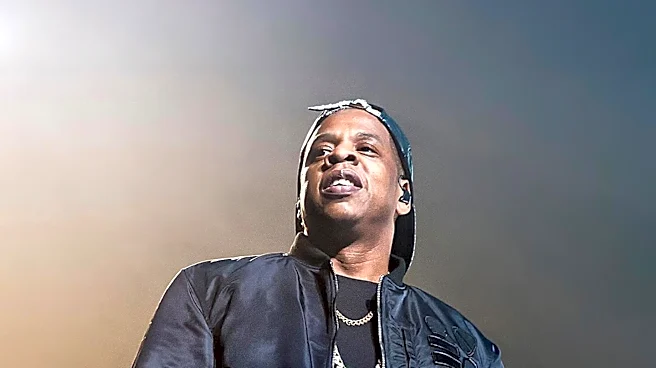
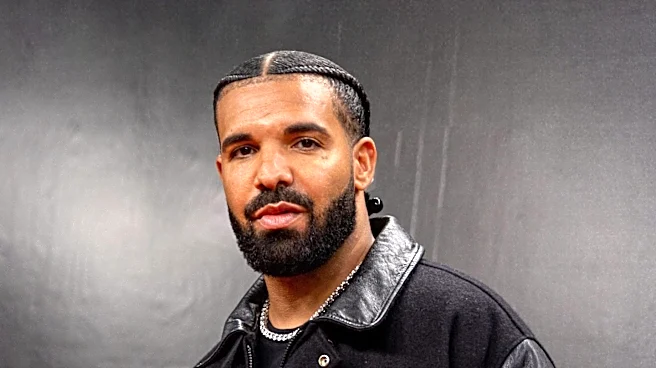
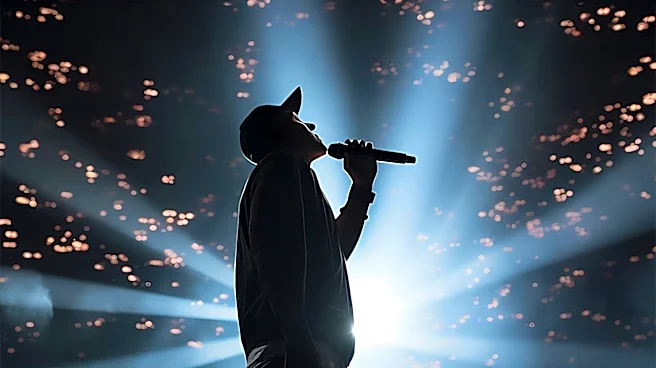
Jay-Z has publicly addressed Kanye West's reaction to his collaboration with the British band Coldplay. In the seventh episode of his docuseries 'JAŸ-Z in 8,' the 56-year-old hip-hop icon reflected on the perceived betrayal and the expectations that can
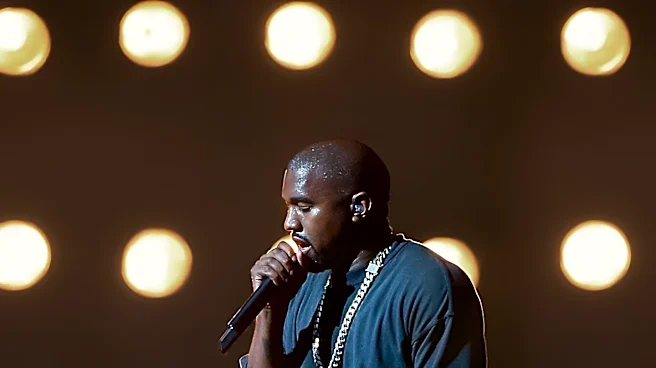
arise between artists. West, 49, had previously referenced the situation in his 2007 track 'Big Brother,' where he expressed frustration after telling Jay-Z about his own recording with Coldplay, only for Jay-Z to subsequently collaborate with the group. West's lyrics suggested he was surprised by Jay-Z pursuing a similar musical partnership. Jay-Z clarified that his work with Coldplay stemmed from a personal friendship with frontman Chris Martin, not an attempt to compete with West. He noted that he had introduced Martin to West, making West's reaction particularly surprising from his perspective. Jay-Z also highlighted that West's song implied disloyalty, despite his view of the collaboration as a natural extension of his friendship with Martin.
Why It's Important?
This discussion sheds light on the complex dynamics and unspoken rules within the music industry, particularly concerning collaborations and artistic relationships between prominent figures. The perceived 'betrayal' by Kanye West, as detailed in his song, underscores the emotional and professional stakes involved when artists navigate shared creative spaces. Jay-Z's perspective, emphasizing personal friendships over exclusive access to collaborators, challenges the notion of ownership over artistic partnerships. This incident highlights how personal interpretations of professional interactions can lead to significant friction, even between long-standing collaborators. It also brings to the forefront the broader conversation about artistic freedom versus loyalty in a highly competitive industry, where collaborations can significantly impact careers and public perception. The differing viewpoints reveal a fundamental tension between individual artistic expression and the unwritten codes of conduct among peers.
What's Next?
The final two episodes of Jay-Z's docuseries 'JAŸ-Z in 8,' which features conversations with producer Rick Rubin, are now available. These episodes are expected to offer further insights into Jay-Z's career, personal experiences, and reflections on the music industry, including his relationships with fellow musicians. While Jay-Z has offered his perspective on the Coldplay collaboration, it remains to be seen if Kanye West will publicly respond to these recent comments. The ongoing dialogue surrounding this past event could reignite discussions among fans and industry observers about the nature of their relationship and the broader implications for artist collaborations. The series provides a platform for Jay-Z to articulate his views, potentially shaping public understanding of his past interactions and his philosophy on creative partnerships.
Beyond the Headlines
Jay-Z described West's reaction as partly rooted in a sense of entitlement, arguing that artists should not expect exclusive access to collaborators. He emphasized that musicians are free to work with multiple artists and that a previous collaboration should not prevent others from pursuing similar opportunities. Jay-Z's statement, 'We don’t own people,' reflects a deeper philosophical stance on creative autonomy and professional boundaries in the music world. This perspective challenges the idea that artistic partnerships are possessions, advocating instead for a more open and fluid approach to collaboration. The incident underscores the ethical and cultural dimensions of creative work, where personal relationships and professional expectations often intersect, leading to complex situations that extend beyond mere musical output. It highlights the ongoing negotiation of power, respect, and independence among artists at the pinnacle of their careers.