







What's Happening?
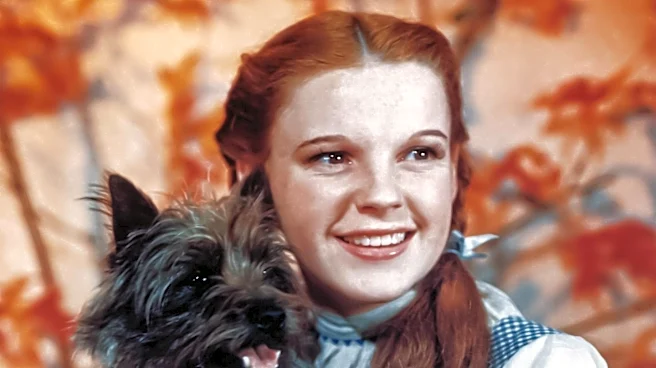
The 1939 film adaptation of L. Frank Baum's 'The Wonderful Wizard of Oz' notably altered several details from the original book. One of the most prominent changes was Dorothy's silver shoes, which were transformed into ruby slippers for the movie. This
alteration was primarily made to showcase the then-new color film technology, making the slippers a vibrant and memorable visual element. The film, while becoming a beloved classic, exemplifies how directors make choices in adapting source material, deciding which scenes to keep, which to omit, and how characters should appear and sound. These decisions significantly influence the audience's experience of the story, often leading to discussions about the film's fidelity to the original text.
Why It's Important?
The adaptation of 'The Wizard of Oz' highlights the complex relationship between literary works and their cinematic counterparts, a dynamic that continues to shape the entertainment industry. The decision to change Dorothy's silver shoes to ruby slippers for technological demonstration underscores how artistic choices in film can be driven by practical or innovative considerations, rather than strict adherence to the source material. This practice has profound implications for how stories are consumed and remembered, as the film version often becomes the definitive interpretation for many. It also illustrates the power of visual media to redefine iconic elements, influencing subsequent cultural references and merchandise. For authors and creators, it raises questions about control over their narratives once they enter the adaptation process, and for audiences, it fosters critical thinking about the differences between original texts and their adaptations.
What's Next?
Discussions surrounding the fidelity of adaptations, like that of 'The Wizard of Oz,' will continue as new technologies emerge and new interpretations of classic stories are produced. Future adaptations of literary works will likely face similar creative decisions regarding changes to plot, character, and visual elements, often balancing faithfulness to the source with the demands of the new medium and contemporary audience expectations. The ongoing debate about 'literal,' 'selective,' and 'loose' adaptations will remain relevant, influencing how filmmakers approach beloved stories. As immersive technologies advance, the potential for even more radical reinterpretations of classic narratives will grow, further challenging traditional notions of fidelity and adaptation.
Beyond the Headlines
The transformation of Dorothy's silver shoes into ruby slippers in 'The Wizard of Oz' film is more than a mere aesthetic change; it symbolizes the inherent tension between artistic vision and commercial appeal in adaptations. The silver shoes in Baum's book held symbolic weight, representing the inherent power Dorothy possessed. The ruby slippers, while visually stunning and iconic, shifted this symbolism, making the magic more external and visually spectacular. This change reflects a broader cultural phenomenon where visual impact can sometimes supersede deeper thematic elements in popular media. It also speaks to the enduring power of film to shape collective memory and perception, often overshadowing the original literary source. This dynamic raises questions about the long-term impact of adaptations on cultural literacy and the preservation of original artistic intent.