



What's Happening?
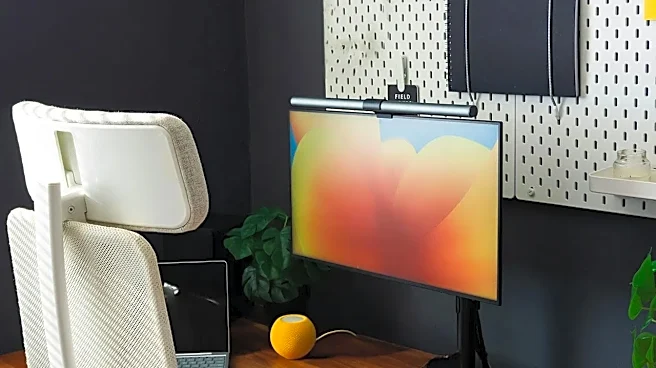
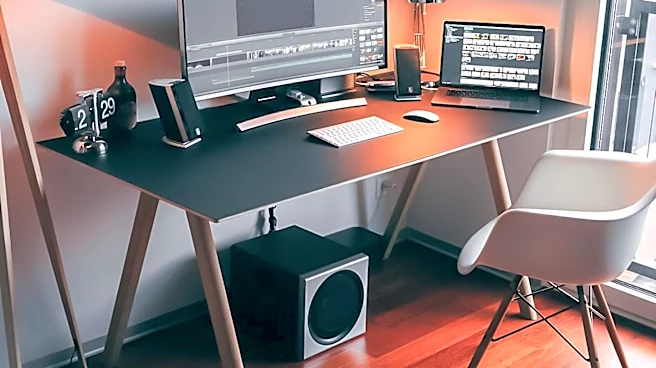
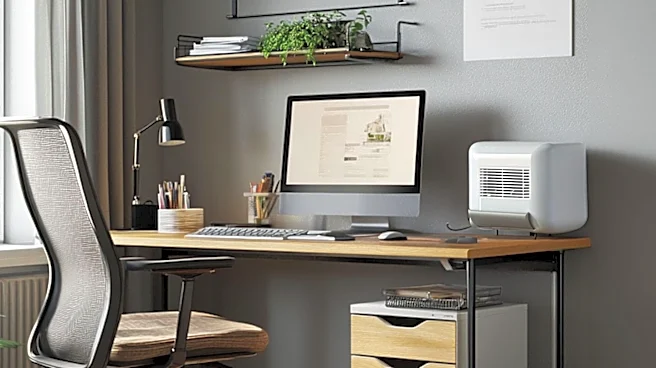
Remote workers in the U.S. are increasingly upgrading their home office environments, moving beyond basic setups to invest in premium furniture and ergonomic solutions. This trend is driven by the home office's evolution from a temporary arrangement to a permanent
and crucial part of many households. Professionals are seeking to combine ergonomic comfort with elevated design and productivity-focused features. This shift involves replacing standard desks and task chairs with items that offer both functional support and aesthetic appeal, making workspaces more polished, organized, and enjoyable. Brands like Eureka Ergonomic are noted for driving this trend with standing desks and executive seating that blend performance with premium aesthetics. The focus is on creating an intentional workspace rather than one that is purely functional, reflecting a broader reevaluation of what a productive home office entails.
Why It's Important?
This investment in high-quality home office setups signifies a significant shift in the U.S. workforce's approach to remote and hybrid work. It highlights a recognition that a well-designed workspace directly impacts productivity, comfort, and even creativity. For individuals, it means improved well-being, reduced physical strain from prolonged sitting, and a more engaging work environment. For businesses, particularly those in the office furniture and ergonomic solutions sectors, this trend presents a substantial market opportunity. Companies that can offer products combining advanced ergonomics with sophisticated design are poised to gain. The emphasis on 'furniture-inspired finishes' and 'premium design details' indicates a consumer desire for home office equipment that integrates seamlessly with home aesthetics, moving away from a purely utilitarian view of office furniture. This trend also underscores the long-term viability and acceptance of remote work as a standard operating model.
What's Next?
The trend of upgrading home offices is expected to continue, with further innovation in ergonomic design and aesthetic integration. Manufacturers will likely focus on developing more sophisticated and customizable solutions that cater to diverse remote work needs and home decor styles. We may see an increase in demand for smart office furniture that incorporates technology for enhanced productivity and comfort. Retailers will likely expand their offerings of premium home office lines, potentially leading to more competitive pricing and wider accessibility. Additionally, as remote work becomes more entrenched, there could be a greater emphasis on sustainable and health-conscious materials in office furniture. The market will likely see new entrants and increased competition as companies vie to meet the evolving demands of the remote workforce, potentially leading to more personalized and integrated home office solutions.
Beyond the Headlines
Beyond the immediate benefits of comfort and productivity, this trend reflects a deeper cultural shift in how Americans perceive the boundary between work and home life. The integration of 'furniture-inspired finishes' and 'premium design details' suggests a desire to elevate the home office space to the same aesthetic standard as other living areas, blurring the lines between professional and personal environments. This could lead to a redefinition of 'professionalism' in a remote context, where the physical workspace at home becomes an extension of one's professional identity. It also raises questions about the long-term psychological impacts of working in aesthetically pleasing but constantly present work environments. The investment in these setups may also indicate a growing commitment from individuals to their remote careers, viewing their home office as a permanent fixture rather than a temporary solution, potentially influencing urban planning, housing design, and even local economies as people prioritize home-based work infrastructure.