






What's Happening?
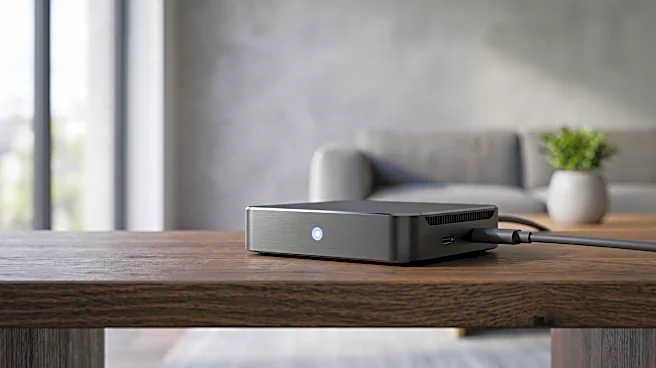
The effective placement of a smart home hub is critical for the robust operation of a smart home system, according to recent insights. While it might seem logical to place a hub anywhere, its location significantly impacts its ability to send and receive
signals from connected devices. Obstructions such as walls, furniture, and doors can block Wi-Fi and other wireless communications, necessitating a clear path between the hub and its devices. Placing the hub in a central location within the home helps minimize connection problems. Additionally, smart home hubs can experience interference from other communication devices like Wi-Fi routers, phones, and microwaves. To mitigate this, hubs should be placed close enough to a router for a strong signal but not directly adjacent to it. Utilizing different Wi-Fi bands and ensuring physical separation from other electronics can reduce congestion and interference. For Zigbee or Z-Wave devices, which form mesh networks, each device repeats the signal, allowing for a chain of devices, but signal strength diminishes over multiple hops, making proximity to the hub still beneficial.
Why It's Important?
This information is crucial for U.S. consumers and smart home device manufacturers alike. For consumers, understanding optimal hub placement can prevent frustrating connectivity issues, ensuring their investments in smart home technology function as intended. This can lead to greater satisfaction and adoption of smart home systems. For manufacturers, it highlights the importance of user education and potentially designing hubs with more robust signal capabilities or clearer placement guidelines. Poor hub placement can lead to perceived device failures, impacting brand reputation and customer support resources. As smart homes become more prevalent, ensuring reliable connectivity is paramount for the industry's growth and for the seamless integration of these technologies into daily life, affecting everything from security systems to energy management.
What's Next?
As smart home technology continues to evolve, manufacturers may focus on developing hubs with enhanced signal penetration and interference resistance, or more intuitive setup processes that guide users on optimal placement. There might also be an increased emphasis on mesh networking capabilities within devices to create more resilient and self-healing smart home ecosystems. Educational resources for consumers, such as detailed placement guides and diagnostic tools within smart home apps, are likely to become more sophisticated. Furthermore, the industry may see a trend towards more distributed hub architectures, where multiple smaller hubs or smart devices act as signal repeaters to ensure comprehensive coverage throughout larger homes, addressing the limitations of a single central hub.
Beyond the Headlines
The seemingly simple issue of hub placement touches upon deeper implications regarding the user experience and the perceived reliability of technology. When smart home devices fail to perform due to poor signal, it can erode trust in the technology itself, potentially slowing broader adoption. This highlights the critical role of user-friendly design and comprehensive support in the tech industry. Moreover, the increasing density of wireless signals in modern homes raises questions about spectrum management and potential health implications, though current research generally indicates low risk. The need for optimal placement also underscores the physical constraints of wireless technology in an increasingly digital world, reminding us that even advanced systems are subject to environmental factors. This could also drive innovation in alternative communication protocols that are less susceptible to physical interference.