








What's Happening?
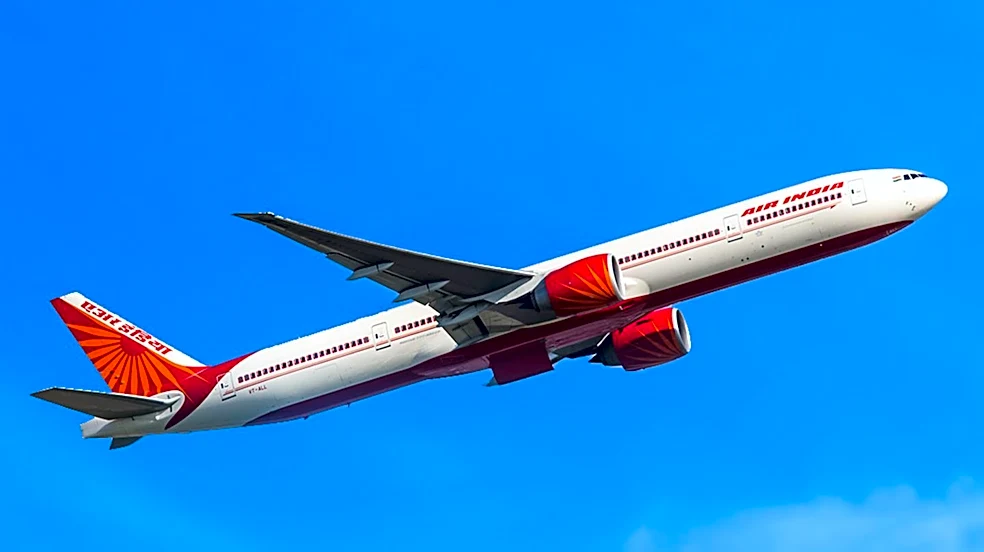
Air India is establishing a specialized team to identify and implement cost-saving measures across its operations. This initiative comes as the airline faces significant financial pressures, having recorded substantial losses in the previous fiscal year.
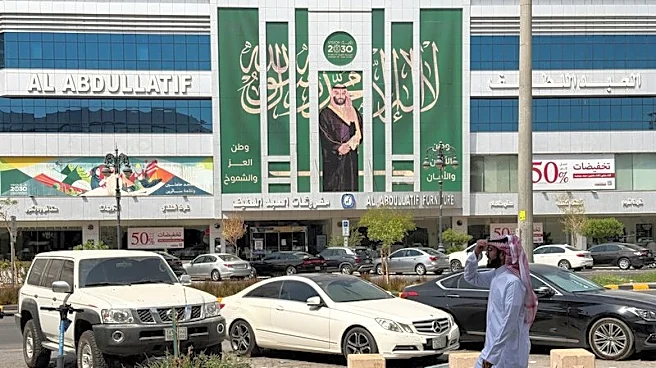
To stabilize its finances, Air India is actively seeking fresh equity funding from its parent company, Tata Sons, and Singapore Airlines. The airline's recovery efforts have been further complicated by operational disruptions stemming from regional conflicts and a lack of necessary certifications. In related news, the Directorate General of Civil Aviation has banned the use of a specific power bank model, the MOBIKINS MK-PB-04, on all flights due to a fire incident. Additionally, an Emirates flight from Delhi to Dubai experienced a delay until October 18 following a bird strike upon its arrival in the national capital. Air India and Air India Express have also extended the suspension of flights to Jeddah, Riyadh, and Dammam until October 24, citing the ongoing security situation in West Asia and offering complimentary date changes to eligible passengers.
Why It's Important?
The financial health of major airlines like Air India has broader implications for the global aviation industry and related sectors. Significant losses and the need for equity funding highlight the ongoing challenges faced by carriers in a volatile operational environment. The formation of a dedicated cost-saving team indicates a strategic shift towards greater efficiency, which could influence industry best practices and competitive landscapes. Operational disruptions, such as those caused by regional conflicts and bird strikes, underscore the inherent risks in air travel and the need for robust contingency planning. The ban on a specific power bank model by the aviation regulator emphasizes the critical importance of safety regulations and their direct impact on passenger experience and product standards within the travel industry. The extended suspension of flights to Saudi Arabia due to security concerns reflects how geopolitical events can directly affect international travel and trade routes, impacting both airlines and passengers.
What's Next?
Air India's newly formed cost-saving team will begin identifying and implementing measures to improve the airline's financial performance. The outcome of their efforts, coupled with the success of securing fresh equity funding from Tata Sons and Singapore Airlines, will be crucial in determining the airline's path to profitability. Passengers affected by the extended flight suspensions to Saudi Arabia will need to monitor updates from Air India and Air India Express regarding potential resumptions or further changes to their travel plans. The aviation regulator may continue to issue directives on passenger safety, potentially leading to further restrictions on certain electronic devices or other items if new risks are identified. The broader aviation industry will likely observe Air India's strategies for cost reduction and financial stabilization as a case study for navigating post-pandemic challenges and geopolitical uncertainties.
Beyond the Headlines
The challenges faced by Air India extend beyond immediate financial and operational concerns, touching upon the broader resilience of the aviation sector in an era of increasing global instability. The reliance on equity funding from parent companies like Tata Sons and strategic partners such as Singapore Airlines highlights the complex ownership structures and interdependencies within the airline industry. The impact of regional conflicts on flight routes and passenger safety raises ethical considerations for airlines regarding their duty of care and the balance between commercial operations and geopolitical risks. Furthermore, the incident involving the power bank underscores the evolving nature of safety regulations in response to technological advancements and consumer product trends, prompting a continuous re-evaluation of what is permissible on board aircraft. These developments collectively point to a future where airlines must be increasingly agile, adaptable, and proactive in managing a diverse range of internal and external pressures.