





What's Happening?
The Federal Reserve is poised to announce its decision on interest rates as the U.S. faces its highest inflation in three years. This decision comes at a time when the U.S. and Iran have reached an agreement to reopen the Strait of Hormuz, which had been
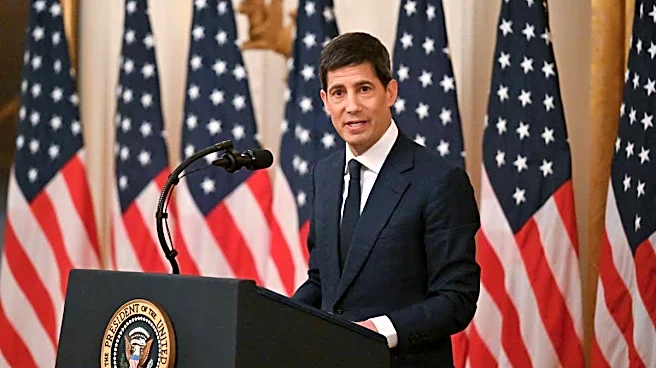
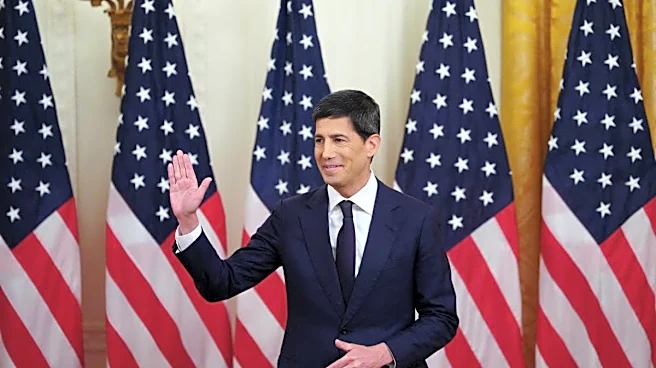
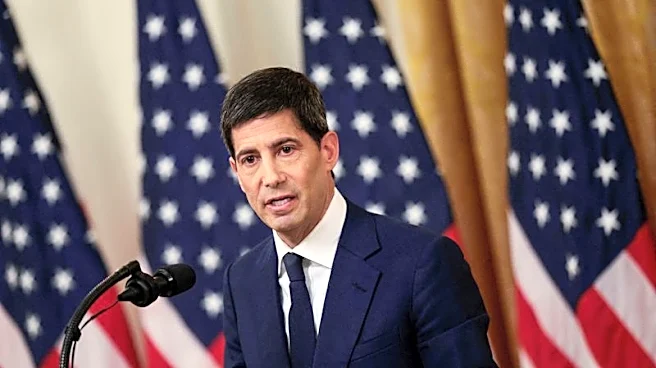
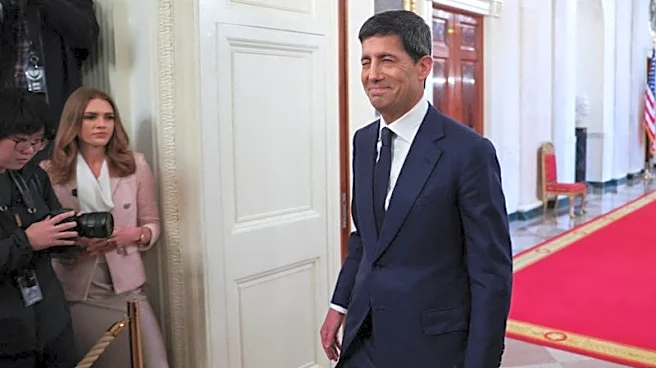
closed due to conflict, causing a significant oil shock. Gasoline prices have recently fallen below $4 a gallon, but remain above pre-conflict levels. Futures markets largely expect the Fed to maintain current interest rates, though there is a growing expectation of a potential rate hike by the end of 2026. This decision will be the first major policy move under the new Fed Chair, Kevin Warsh, who has a history of favoring higher interest rates to control inflation.
Why It's Important?
The Federal Reserve's decision on interest rates is crucial as it directly impacts borrowing costs for consumers and businesses. With inflation surpassing 4% for the first time in three years, the Fed's actions will be closely watched by economic stakeholders. A decision to hold rates steady could signal confidence in the current economic recovery, while a rate hike might indicate a more aggressive stance on controlling inflation. The reopening of the Strait of Hormuz and the subsequent drop in oil prices could provide some relief to consumers, but the overall economic environment remains volatile.
What's Next?
The Fed's decision will set the tone for future monetary policy, with potential implications for economic growth and employment. If the Fed decides to raise rates later in the year, it could slow down economic activity but help curb inflation. Stakeholders, including businesses and consumers, will need to adjust their financial strategies based on the Fed's actions. Additionally, the U.S.-Iran agreement and its impact on oil prices will continue to be a significant factor in economic forecasts.