



What's Happening?
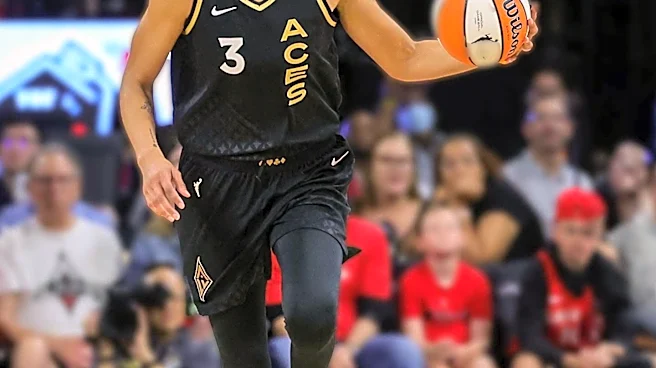
The WNBA has experienced unprecedented growth in popularity, viewership, and attendance, with a record 3.8 million fans attending games and 212 sold-out matchups in the recently concluded season. National broadcast networks saw over 90 million unique
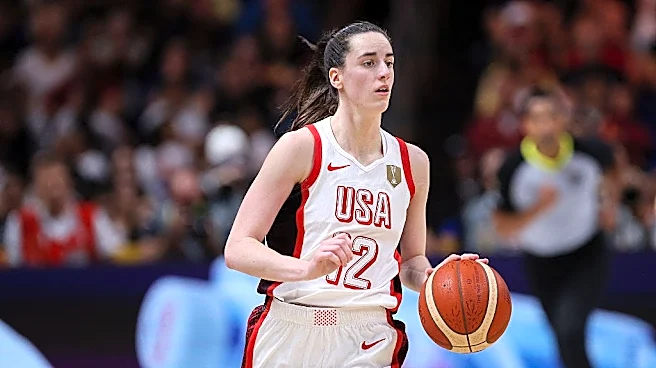
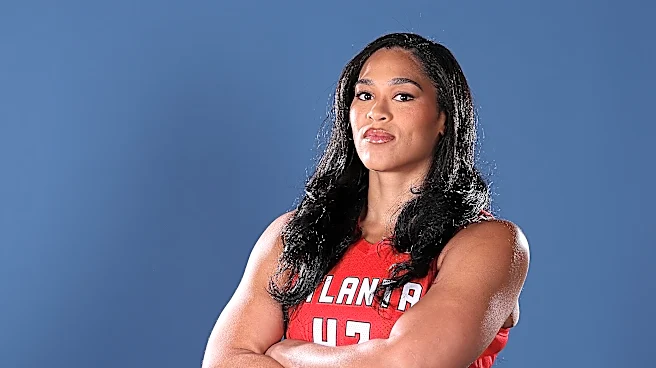
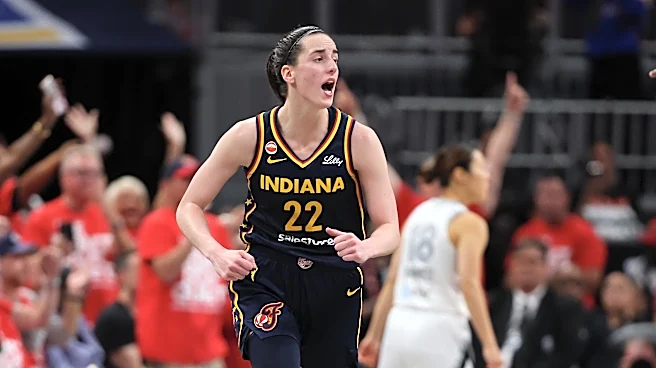
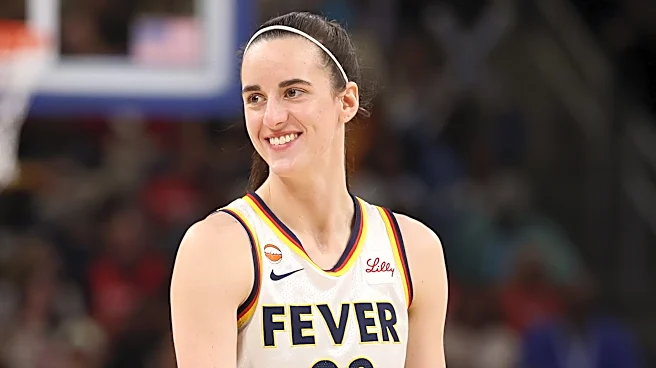
viewers, more than doubling the previous year's audience. However, this surge in attention has also brought an increase in fan toxicity and polarizing discussions. Lynx guard Olivia Miles acknowledged this trend, stating that while discourse is good for the game, some topics become 'dicey,' wishing for more focus on basketball and less on external issues. Players like Alyssa Thomas, Dearica Hamby, and Kelsey Mitchell have reported receiving racial slurs, death threats, and abusive messages. Controversies this season included debates over transgender women's participation in the league, with some players advocating for exclusion and others for inclusivity, leading to protests and political involvement. Physical play against Caitlin Clark also drew scrutiny, with one incident even prompting a letter from Republican lawmakers to the WNBA Commissioner.
Why It's Important?
The WNBA's rapid growth signifies a pivotal moment for women's professional sports, demonstrating a significant increase in public interest and commercial viability. However, the accompanying rise in fan toxicity and contentious debates poses a critical challenge to the league's integrity and player well-being. The involvement of political figures and advocacy groups in league matters, such as eligibility policies and player conduct, indicates that the WNBA is now operating on a larger public stage, where its issues can quickly become national talking points. This situation forces the league to navigate complex social and political landscapes while trying to maintain focus on the sport itself. The balance between fostering open discussion and mitigating harmful rhetoric is crucial for the WNBA's sustained positive growth and its ability to attract and retain top talent.
What's Next?
The WNBA will likely need to address the growing issue of fan toxicity and the impact of polarizing debates on its players and public image. This could involve implementing stricter fan conduct policies, enhancing online moderation, and providing more support systems for players facing harassment. The league may also need to clarify its stance on controversial social issues, such as transgender athlete inclusion, to provide clear guidelines and reduce internal friction. As the league continues to grow, it will face ongoing pressure to manage its increased visibility and the diverse opinions that come with it. How the WNBA leadership responds to these challenges will be critical in shaping its future trajectory, ensuring that its popularity translates into a healthy and inclusive environment for all stakeholders.
Beyond the Headlines
The WNBA's experience reflects a broader societal trend where increased visibility, particularly in sports and entertainment, often correlates with heightened scrutiny and the amplification of divisive social issues. The league's struggle with fan toxicity and polarizing debates highlights the double-edged sword of mainstream success in the digital age, where every aspect of public figures and institutions is subject to intense public commentary. This situation also brings to light the ethical responsibilities of sports leagues to protect their athletes from abuse while navigating complex societal conversations. The WNBA's journey could serve as a case study for other emerging sports leagues and public platforms on how to manage rapid growth, maintain core values, and foster a respectful community amidst diverse and often conflicting viewpoints.