




What's Happening?
In mid-November 2026, the Manheim Used Vehicle Value Index remained unchanged at 206.8 compared to October, indicating steady wholesale used-vehicle prices when adjusted for mix, mileage, and seasonality. The index is up 0.7% year over year compared to November 2025.
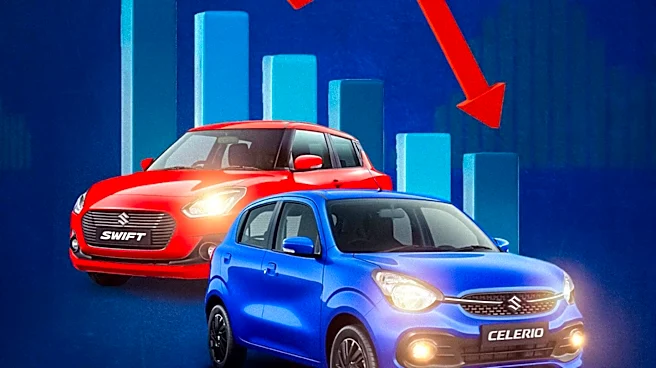
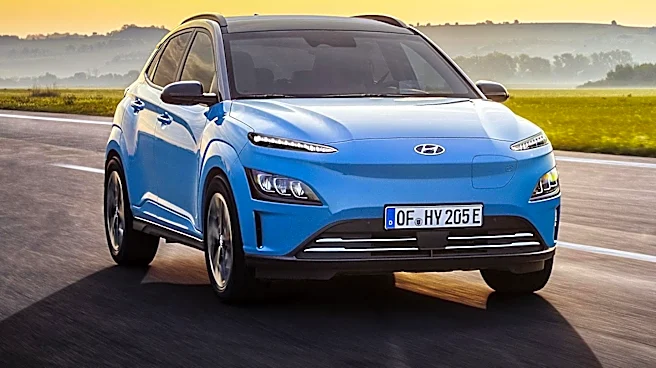
Non-adjusted wholesale prices, however, decreased by 0.7% from October and are down 0.1% year over year. Jonathan Gregory, Senior Director at Cox Automotive, noted that wholesale prices in the first half of November behaved typically for the month, following a volatile start to the fall season. Year-over-year price changes show gains in Compact Cars, EVs, and Midsize Cars, while Luxury, SUVs/CUVs, and Pickups experienced declines. Elevated gas prices, approximately 90 cents higher than last year, are a key factor driving buyer interest towards more fuel-efficient vehicles, with compact cars up 10% year over year. The EV Index was up 3.4% year over year, though its gain has narrowed from 6.6% in October as more off-lease units enter the market.
Why It's Important?
These trends in the U.S. used vehicle market highlight the significant impact of fuel costs and evolving consumer preferences on vehicle demand and pricing. The sustained strength of compact cars and electric vehicles (EVs) underscores a growing consumer focus on fuel efficiency, which is particularly relevant given persistently high gas prices. This shift affects various stakeholders: consumers seeking more affordable and efficient transportation options, dealerships adjusting inventory and pricing strategies, and financial institutions assessing vehicle depreciation and loan risks. The influx of off-lease EVs into the market suggests a maturing EV ecosystem, offering more accessible options for buyers but also potentially moderating price gains for used EVs. The overall market stability, despite segment-specific fluctuations, indicates a dynamic environment where external factors like fuel costs and financing conditions play a crucial role in shaping market behavior.
What's Next?
The used vehicle market is expected to continue responding to fuel price fluctuations and the increasing availability of electric vehicles. As more off-lease EVs enter the market, their prices may stabilize further, making them more competitive against traditional gasoline-powered vehicles. The financing environment, with the 10-year Treasury back above 5% and a high probability of a Federal Reserve rate hike in December, poses a direct challenge for financed buyers, potentially impacting sales volumes in the coming months. Dealerships will likely continue to adapt their inventory to meet demand for fuel-efficient and electric models, while sellers may need to adjust pricing expectations to clear inventory. The second half of November will be critical in determining if the current stability in prices holds, with ongoing depreciation running faster than normal in some segments.
Beyond the Headlines
The trends observed in the used vehicle market reflect broader economic and societal shifts. The sustained demand for compact cars and EVs, driven by elevated gas prices, points to a long-term consumer trend towards more sustainable and cost-effective transportation. This could accelerate the transition away from larger, less fuel-efficient vehicles, influencing future new vehicle designs and production. The increasing presence of off-lease EVs also signifies a critical phase in the EV market's development, moving beyond early adopters to a broader consumer base. This maturation of the used EV market is essential for widespread EV adoption, as it provides more affordable entry points for consumers. The interplay between fuel costs, interest rates, and vehicle availability will continue to shape the automotive landscape, with potential long-term implications for urban planning, infrastructure development, and environmental policy.