






What's Happening?
Amazon Web Services (AWS) cloud computing capacity is largely sold out through 2027, with a significant portion of 2028 capacity already committed, according to Amazon CEO Andy Jassy. This high demand is driven by artificial intelligence (AI) companies
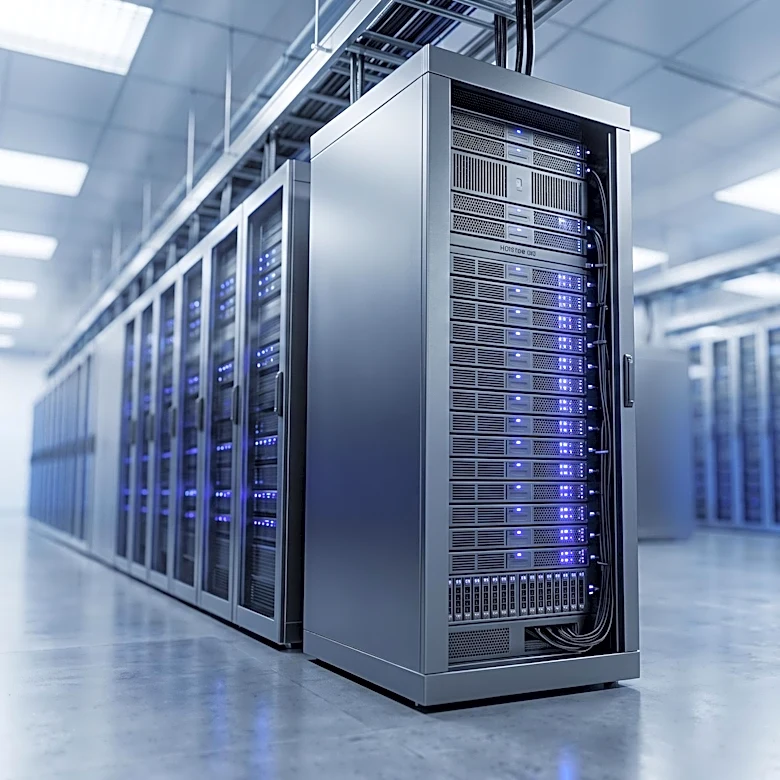
and enterprises seeking computing resources, which is putting pressure on cloud infrastructure providers. Jassy made these remarks during a video podcast with Andreessen Horowitz co-founder Ben Horowitz and general partner Erik Torenberg. He noted that Amazon always reserves some capacity for on-demand services and its own offerings, including Bedrock and EC2. The company is facing challenges in meeting this surging demand due to shortages in memory, electricity, and data center capacity. Jassy indicated that the memory crunch is not expected to end in 2027. Amazon was projected to spend approximately $220 billion on capital expenditures in 2026, primarily for infrastructure growth to support AI services, and Jassy suggested that further investment might be justified given the current capacity commitments.
Why It's Important?
The rapid sell-out of AWS cloud capacity underscores the immense and accelerating demand for AI infrastructure, highlighting a critical bottleneck in the broader technology sector. This situation impacts U.S. industries by potentially limiting the speed at which companies can develop and deploy AI solutions, especially for smaller enterprises that rely on on-demand cloud services. The scarcity of computing resources, including specialized memory like high-bandwidth memory (HBM) and data center space, could lead to increased costs for AI development and deployment. Companies heavily invested in AI, from startups to large corporations, stand to lose if they cannot secure the necessary computing power, potentially slowing innovation and market entry. Conversely, Amazon and other cloud providers stand to gain significantly from this demand, justifying substantial capital investments in infrastructure. The situation also emphasizes the strategic importance of securing computing capacity years in advance, transforming it from an operational expense into a critical strategic asset for businesses.
What's Next?
Amazon is considering increasing its capital expenditure beyond the planned $220 billion for 2026 to expand its infrastructure and meet the escalating demand for AI services. This potential increase in investment would aim to alleviate the current capacity constraints, though Jassy does not foresee the memory shortage ending in 2027. The company is also developing its own Trainium AI chips to improve efficiency and reduce the cost of AI inference, which Jassy believes needs to become significantly cheaper for widespread AI adoption. Amazon will continue to balance the needs of its traditional cloud business with the growing requirements for AI computing. Investors will be closely watching Amazon's third-quarter results, scheduled for October 29, for further insights into the company's financial performance and future investment plans in response to this unprecedented demand.
Beyond the Headlines
The intense demand for AWS capacity and the associated infrastructure shortages reveal deeper implications for the future of technology and economic development. The scarcity of resources like specialized memory, electricity, and data center space points to potential long-term challenges in scaling AI capabilities globally. This could lead to a concentration of AI development among a few large players who can afford to secure vast computing resources, potentially stifling competition and innovation from smaller entities. Furthermore, the environmental impact of rapidly expanding data centers and energy consumption for AI is a growing concern, raising questions about sustainable growth in the tech sector. The emphasis on developing proprietary AI chips, like Amazon's Trainium, signifies a strategic shift towards vertical integration and control over the entire AI stack, aiming to reduce reliance on external suppliers and optimize cost-performance for AI workloads. This trend could reshape the semiconductor industry and the competitive landscape of cloud computing.