








What's Happening?
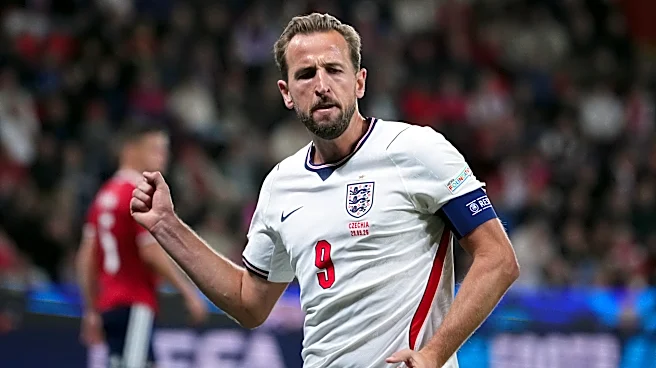
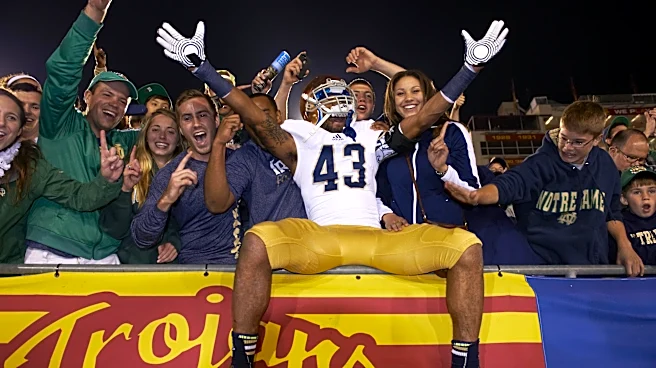
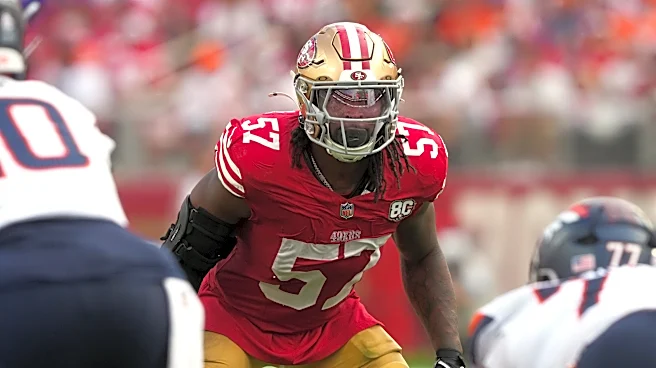
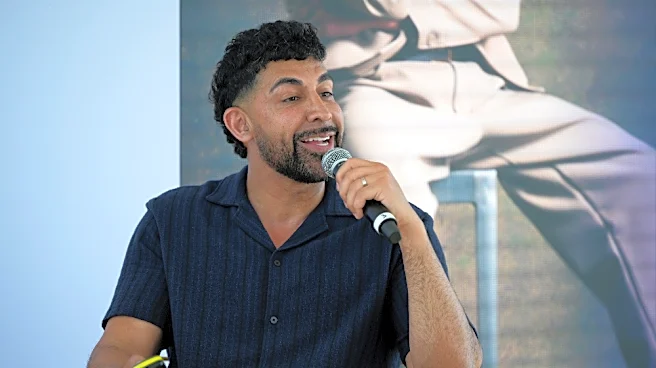
Smaller brands are being advised to focus their marketing efforts on deeper areas of fan engagement that extend beyond live sports events. Ashley Arena, head of investment at media agency PHD, highlighted that while major sports sponsorships are often
out of reach for smaller advertisers, significant value can be found in podcasts, player content, merchandise, and pregame coverage. This strategy allows brands to connect with consumers through their existing interests and passions, fostering authenticity. The discussion, co-hosted by Roku's Jake Piasecki, emphasized finding natural connections between a brand and the content, team, or players to build customer loyalty and reach niche audiences effectively.
Why It's Important?
This shift in marketing strategy is crucial for smaller brands seeking to compete in a crowded advertising landscape without the budgets of larger corporations. By focusing on the broader ecosystem of sports fandom, these brands can achieve more cost-effective and impactful engagement. It underscores a move away from traditional, broad-reach advertising towards more targeted, authentic connections with consumers. This approach can lead to stronger brand loyalty and more efficient media investments, as brands align with existing communities and interests. It also highlights the evolving nature of sports consumption, where fan engagement extends far beyond the 60 minutes of a game, creating continuous opportunities for marketers.
What's Next?
Brands are expected to increasingly analyze consumer interests and fandom data to identify authentic connection points. This will likely lead to more creative and integrated marketing campaigns that leverage diverse content formats like podcasts and player-generated media. Media agencies will focus on developing partnerships that align with specific fan communities and traditions, moving beyond generic sponsorships. The emphasis on data-driven insights to measure customer retention rather than just immediate conversions will also grow, pushing brands to invest in long-term engagement strategies. Upcoming major events like the 2027 Women’s World Cup and the 2028 Los Angeles Olympics are anticipated to create new fan communities, offering fresh opportunities for brands to apply these strategies.
Beyond the Headlines
This marketing approach reflects a broader cultural trend where consumers seek authenticity and connection from brands. It moves beyond transactional relationships to foster a sense of shared identity and community. Ethically, it encourages brands to genuinely understand and respect fan culture rather than simply co-opting it for commercial gain. This strategy also highlights the power of niche communities in the digital age, where deep engagement with specific interests can be more valuable than broad, superficial reach. It could also lead to a more fragmented media landscape, with brands investing in a wider array of specialized content creators and platforms to reach highly engaged audiences.