







What's Happening?
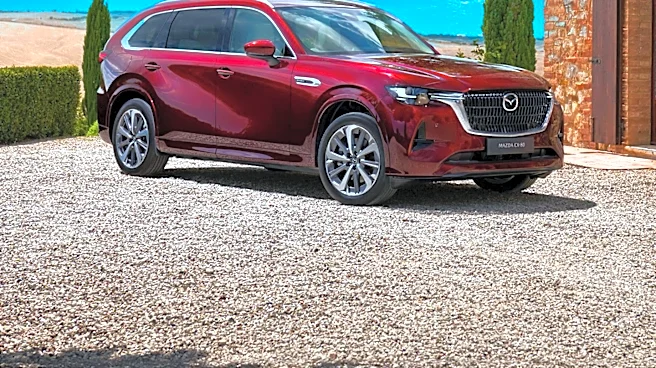
A recent test by Car and Driver revealed that the 2026 Dodge Charger R/T is heavier than the Mazda CX-90, a three-row SUV, despite having a lower top speed. The Charger, weighing 4921 pounds, is 25 pounds heavier than the CX-90. While the Charger accelerates
faster to 60 mph, its top speed is limited to 125 mph, compared to the CX-90's 127 mph. The Charger’s weight is attributed to its all-wheel drive and wider tires, which contribute to its heftiness. The test highlights the surprising fact that a muscle car like the Charger can be outpaced in top speed by a family SUV, challenging traditional perceptions of vehicle performance.
Why It's Important?
This comparison between the Dodge Charger R/T and the Mazda CX-90 underscores a shift in automotive engineering priorities. The findings challenge the conventional wisdom that muscle cars are inherently faster and lighter than SUVs. This could influence consumer perceptions and purchasing decisions, especially among those who prioritize speed and efficiency. The test also highlights the advancements in SUV design, where manufacturers are achieving competitive performance metrics without compromising on passenger capacity or comfort. This trend may push automakers to innovate further in balancing performance with practicality, impacting future vehicle designs and market strategies.
Beyond the Headlines
The test results may have broader implications for the automotive industry, particularly in the context of environmental concerns and fuel efficiency. Heavier vehicles typically consume more fuel, which could affect the Charger’s appeal in an increasingly eco-conscious market. Additionally, the performance of the CX-90 suggests that SUVs can offer a viable alternative to traditional muscle cars, potentially shifting consumer preferences. This could lead to increased competition among automakers to produce vehicles that are both high-performing and environmentally friendly, influencing future automotive trends and regulations.