


What's Happening?
Taiwanese prosecutors have charged nine individuals, including an Nvidia manager and two former Super Micro employees, with illegally exporting high-end AI servers to mainland China. This action comes amidst heightened tensions in the AI rivalry between
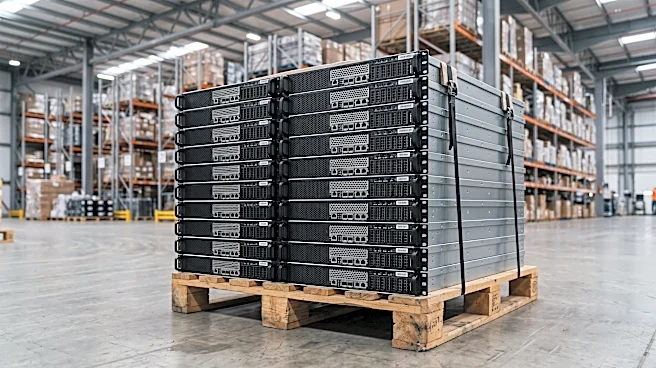
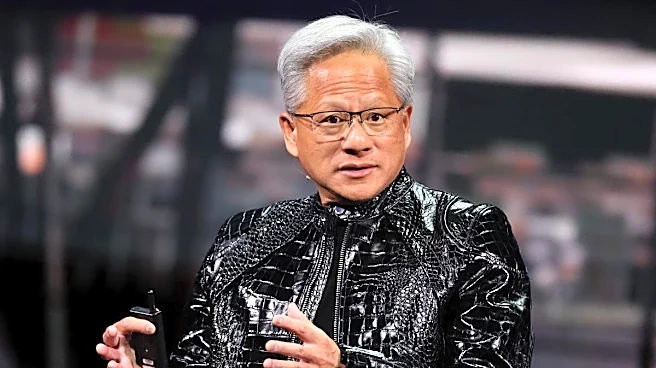
China and the United States. The servers in question are graphics processing units known as “B300,” which are banned from sale to China under export controls. The investigation revealed that 74 servers successfully reached China, with various routes used, including transshipment through Indonesia, Japan, and Hong Kong. An additional attempt to export 56 servers was thwarted, and these units remain in Taiwan. Prosecutors are seeking maximum five-year sentences for four of the defendants, citing the Nvidia manager, identified as Chang, as a “key figure” who authorized the release of the B300 GPUs and displayed a “poor attitude” following the offense. Some defendants allegedly created fake websites and falsified information to circumvent export restrictions.
Why It's Important?
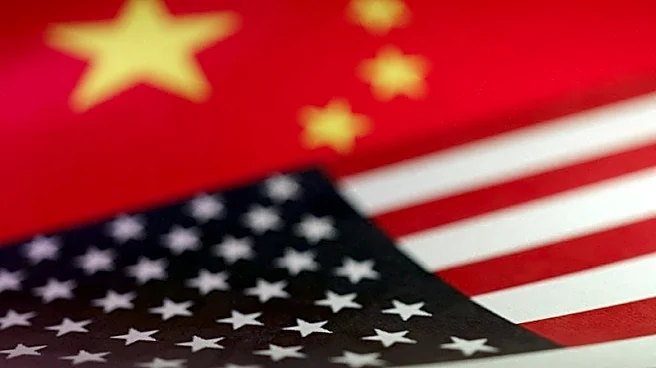
This development underscores the critical role of advanced AI infrastructure, particularly semiconductors, in the ongoing technological and economic competition between the U.S. and China. The U.S. has progressively tightened restrictions on the export of advanced chips to China since 2022, making such servers a key point of contention. The illegal exports highlight the challenges in enforcing these controls and the potential for individuals and companies to bypass regulations for financial gain. For U.S. companies like Nvidia and Super Micro, these charges could lead to increased scrutiny of their supply chains and export compliance programs. The incident also emphasizes Taiwan's strategic position as a major producer of advanced semiconductors and its role in the global tech landscape. The successful circumvention of export controls, even partially, could enable China to advance its AI capabilities despite U.S. efforts to limit its access to cutting-edge technology, potentially impacting national security and economic competitiveness.
What's Next?
Nvidia spokesperson Patrick Rutherford has stated that the company will cooperate with Taiwanese authorities to resolve the allegations. Super Micro also indicated its continued collaboration with authorities and its commitment to enhancing its export compliance program. The legal proceedings against the nine individuals will continue, with prosecutors seeking significant penalties for those involved. This case may prompt further investigations into other potential instances of illegal technology transfers and could lead to stricter enforcement mechanisms and international cooperation to prevent such activities. The U.S. government may also review its export control policies and their effectiveness in light of these revelations. The incident could also influence future trade relations and diplomatic discussions between the U.S., Taiwan, and China, particularly concerning technology and national security.
Beyond the Headlines
The illegal export of AI servers to China touches upon deeper ethical and geopolitical implications. It highlights the dual-use nature of advanced technologies, where innovations designed for commercial purposes can also have significant military or strategic applications. The case raises questions about corporate responsibility in preventing the misuse of their products and the effectiveness of internal compliance measures. Furthermore, it underscores the complex web of global supply chains and the vulnerabilities that can be exploited by actors seeking to bypass international regulations. The incident could also fuel debates about the balance between technological innovation, economic interests, and national security concerns, particularly in an era of increasing geopolitical competition. The involvement of employees from major tech companies suggests a potential for insider threats or sophisticated schemes to circumvent controls, necessitating a multi-faceted approach to safeguard critical technologies.