






What's Happening?
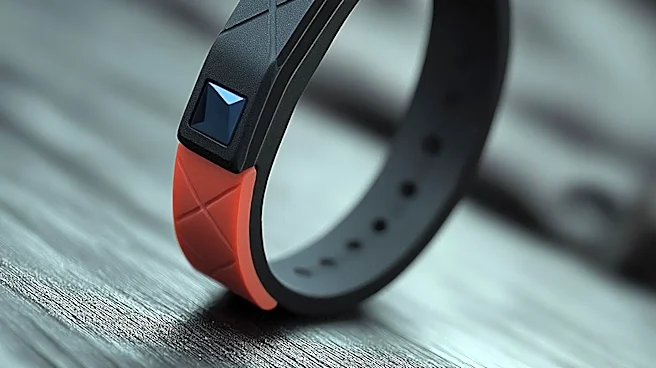
Engineers at the University of California San Diego have developed a smart ring capable of continuously monitoring up to four different chemical biomarkers from finger sweat. This innovative device, detailed in a paper published in Nature Communications,
can track glucose, ketones, vitamin C, uric acid, lactate, and alcohol. The ring operates without the need for physical exertion, using a technique that passively draws sweat through the skin. This development is significant for its potential applications in diabetes management and nutrition tracking, offering real-time molecular information that could enhance health, diet, and lifestyle decisions. The smart ring's glucose and ketone readings have shown accuracy comparable to commercial devices in trials with healthy volunteers and individuals with type 1 diabetes.
Why It's Important?
The introduction of this smart ring represents a significant advancement in wearable health technology. By providing continuous and simultaneous monitoring of multiple biomarkers, it offers a more comprehensive view of an individual's health status. This could revolutionize diabetes management by optimizing insulin dosing and improving dietary tracking. The ability to monitor biochemical markers in real-time could lead to more personalized healthcare, potentially reducing the risk of complications associated with chronic conditions. The development also highlights the growing trend towards integrating advanced technology into everyday health monitoring, which could lead to broader adoption of personalized medicine.
What's Next?
The smart ring is currently a prototype, but its successful trials suggest potential for commercialization. Future steps may involve refining the technology for mass production and ensuring regulatory approval for medical use. The research team may also explore expanding the range of detectable biomarkers, further enhancing the ring's utility. As the technology progresses, it could attract interest from healthcare providers and tech companies looking to integrate such devices into broader health monitoring systems. The success of this project could also inspire further research into similar wearable technologies, potentially leading to a new wave of health monitoring innovations.