





What's Happening?
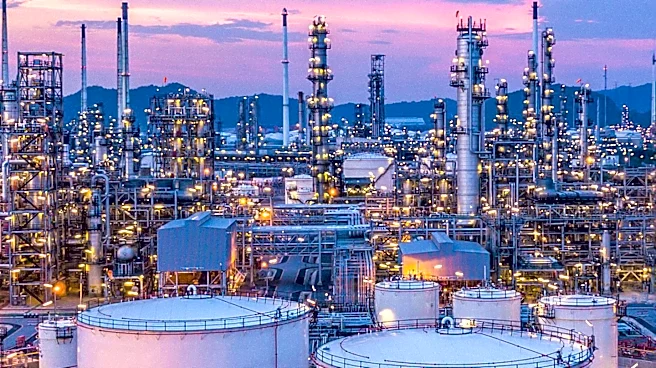
ABB is partnering with Citroniq Chemicals to construct the world's first 100% bio-based, commercial-scale polypropylene facility in Nebraska, USA. This groundbreaking project, slated for completion by 2029, will utilize corn-based ethanol as its feedstock
and incorporate ABB's advanced automation, electrification, and digitalization technologies. The facility is projected to capture 3 million tonnes of CO2 annually, significantly contributing to the decarbonization of U.S. polypropylene production. This initiative represents a substantial move towards reducing reliance on fossil feedstocks in the plastics industry, while simultaneously strengthening domestic supply chains and creating skilled jobs in the clean technology sector. The project aims to maintain established polypropylene value chains by transitioning at the feedstock level, ensuring the end product remains polypropylene.
Why It's Important?
This partnership marks a critical structural shift in the sustainable materials landscape, particularly within the U.S. plastics industry. By establishing a commercial-scale facility that produces polypropylene entirely from bio-based sources, the project directly addresses the environmental impact of traditional plastic manufacturing. The annual capture of 3 million tonnes of CO2 represents a significant step towards climate goals and could potentially decarbonize 20% of U.S. polypropylene production. Economically, the initiative is poised to bolster domestic supply chains, reducing dependence on foreign fossil fuel sources and enhancing national energy security. Furthermore, the creation of skilled jobs in clean technology will stimulate local economies and foster innovation in sustainable manufacturing practices, positioning the U.S. as a leader in green industrial transitions. The success of this project could set a precedent for other industries to adopt similar bio-based manufacturing processes.
What's Next?
The next phase involves the construction and operationalization of the facility in Nebraska by 2029. A key challenge will be securing multi-year off-take agreements from corporate buyers to absorb the initial 'green premium' associated with bio-based polypropylene, ensuring the project's long-term economic viability and competitiveness. The industry will closely monitor the execution, scale, economics, and reliability of supply from this facility. Its success will determine whether bio-based polypropylene can become competitive without compromising performance or requiring customers to pay a significant premium. If successful, this project could catalyze further investments in bio-based chemical production and accelerate the transition towards a low-carbon manufacturing economy in the U.S. The development will also be watched for its impact on local agricultural communities, given its reliance on corn-based ethanol.
Beyond the Headlines
This project transcends a mere technological advancement; it signifies a profound shift in industrial philosophy, moving from a sustainability project to a competitive industrial business. The transition from niche eco-polymers to commercial-scale bio-based production challenges the fundamental dependency on fossil feedstocks at the source, rather than merely mitigating emissions at the end of the process. This approach has broader implications for how industries define and achieve decarbonization, emphasizing the importance of feedstock-level innovation. Ethically, it raises questions about the responsible sourcing of bio-based materials, such as corn, to ensure that agricultural resources are not diverted from food production or contribute to other environmental issues. Culturally, it could reshape consumer perceptions of plastics, fostering greater acceptance and demand for sustainable alternatives, and potentially influencing policy decisions regarding green manufacturing incentives and regulations.