





What's Happening?
Bitcoin is set to lower its mining difficulty by approximately 16% in its next adjustment, providing a potential lifeline to miners. This adjustment comes as the network seeks to balance the computational load required to produce blocks. However, despite
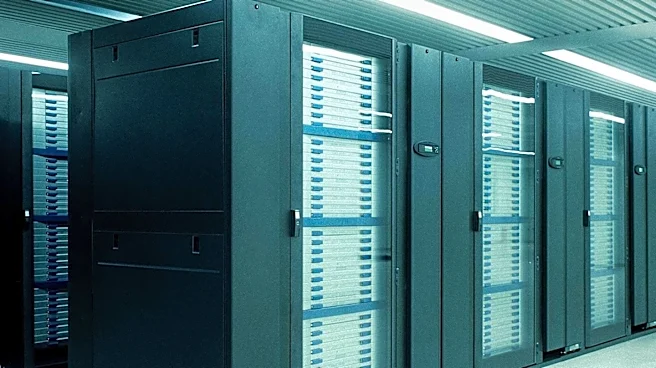
this potential relief, many miners are being lured away by lucrative opportunities in artificial intelligence (AI) investments, with deals amounting to $19 billion. The shift towards AI is driven by the promise of more stable and predictable returns compared to the volatile nature of cryptocurrency mining.
Why It's Important?
The reduction in Bitcoin mining difficulty is significant as it could temporarily improve profitability for miners who remain operational. However, the broader trend of miners shifting towards AI investments highlights a critical transition within the industry. This shift could lead to a more concentrated mining sector, with only the most efficient operators remaining. The move towards AI reflects a strategic pivot as companies seek to diversify their revenue streams and capitalize on the growing demand for high-performance computing. This transition could have long-term implications for the cryptocurrency market and the future of blockchain technology.
What's Next?
As Bitcoin's difficulty adjustment takes effect, the industry will be watching to see how miners respond. A rapid return of mining capacity could lead to another increase in difficulty, while a sustained reduction might indicate a permanent shift in the sector. The continued investment in AI infrastructure suggests that many companies are preparing for a future where high-density computing plays a central role. This could lead to further consolidation in the mining industry and a reevaluation of the economic viability of cryptocurrency mining compared to other technological investments.
Beyond the Headlines
The shift from Bitcoin mining to AI investments raises questions about the long-term sustainability of cryptocurrency mining. As companies prioritize AI, the opportunity cost of dedicating resources to mining becomes more apparent. This transition could also influence the regulatory landscape, as governments and industry stakeholders assess the implications of a more concentrated mining sector. Additionally, the environmental impact of mining operations may come under increased scrutiny, prompting further discussions on sustainable practices in the tech industry.