



What's Happening?
Kyle Larson, a Hendrick Motorsports star, recently secured his third NASCAR Cup Series championship at Homestead-Miami Speedway on November 8, 2026, adding another Bill France Cup to his collection. Following his victory, Larson has been showcasing the trophy
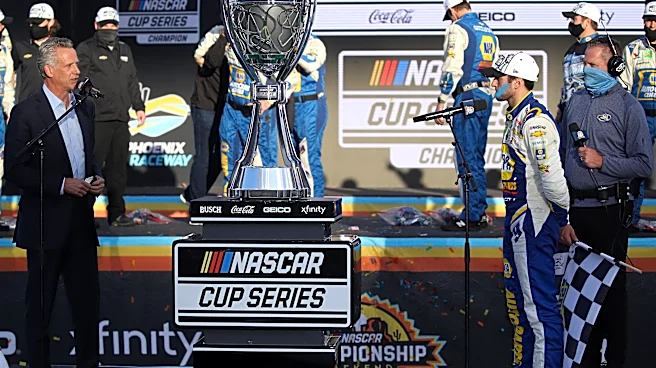
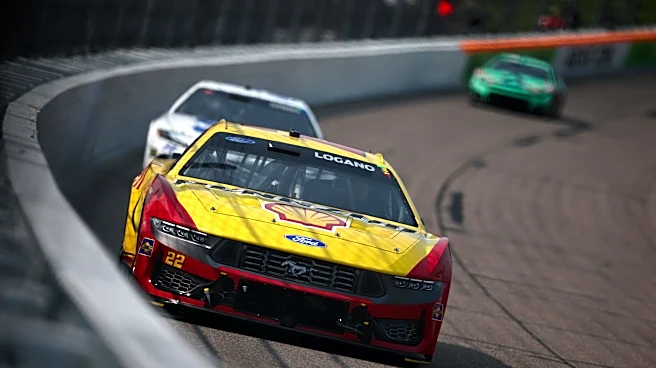
during a series of media appearances, including a trip to New York City for "The Tonight Show Starring Jimmy Fallon" and a New York Knicks game. While the exact manufacturing cost of Larson's new trophy has not been publicly disclosed by NASCAR, a reported figure associated with a replica of a previous champion's trophy suggests a substantial value. Joey Logano, who won his first Cup Series championship in 2018, reportedly considered purchasing a replica of his trophy several years later, with the price estimated at approximately $70,000. This figure, while not a confirmed manufacturing cost for the official Bill France Cup, highlights the potential expense associated with the championship hardware. The Bill France Cup, introduced in 2017 and renamed in 2020 to honor NASCAR founders Bill France Sr. and Bill France Jr., stands over 3 feet tall, weighs about 68 pounds, and features an intricate aluminum design that required more than 300 hours to complete by Jostens.
Why It's Important?
The reported high cost of a replica NASCAR championship trophy underscores the significant investment and prestige associated with winning the Cup Series. This financial aspect, even for a replica, reflects the perceived value and craftsmanship of the award, which is a symbol of ultimate achievement in American stock car racing. For NASCAR, maintaining the allure and perceived value of its championship trophy is crucial for the sport's brand image and its ability to attract and retain top talent and fan engagement. The trophy's intricate design and the hours of labor involved in its creation contribute to its status as a coveted prize, reinforcing the competitive spirit and high stakes of the Cup Series. For drivers like Kyle Larson, winning multiple Bill France Cups not only solidifies their legacy but also enhances their marketability and influence within the sport and with sponsors. The discussion around the trophy's value, even if for a replica, adds another layer to the narrative of success and achievement in NASCAR, potentially influencing how fans and stakeholders perceive the sport's premier award.
What's Next?
As Kyle Larson continues his post-championship media tour, the Bill France Cup will likely remain a central focus, symbolizing his recent achievement. The attention drawn to the trophy, particularly its reported value, could prompt further discussions within NASCAR and among fans regarding the craftsmanship, design, and overall significance of the award. While NASCAR has not publicly confirmed the manufacturing cost of the official trophy, the reported replica price may lead to increased curiosity or even official statements regarding the trophy's actual worth or the process of its creation. This could potentially influence future trophy designs or the perceived value of championship accolades across other sports. For drivers, the prestige and potential financial implications associated with the trophy, even if indirect, will continue to serve as a powerful incentive for competitive performance in upcoming seasons. The ongoing visibility of the trophy through champions' tours helps to maintain its iconic status and reinforce the aspirational goals for all competitors in the NASCAR Cup Series.
Beyond the Headlines
The discussion surrounding the potential $70,000 price tag for a replica NASCAR championship trophy extends beyond mere monetary value, touching upon the cultural and symbolic significance of such awards in professional sports. This high valuation, even for a non-original, highlights how deeply intertwined identity, achievement, and material representation are in the world of elite competition. For NASCAR, the trophy is not just a prize but a tangible representation of its history, its founders, and the pinnacle of its sport. The intricate design and the hours of labor involved in its creation elevate it from a simple award to a piece of art, embodying the dedication and skill required to win a championship. This emphasis on the trophy's intrinsic and extrinsic value can also reflect broader societal values placed on success and the tangible rewards that accompany it. The story subtly underscores the psychological impact of such symbols on athletes, motivating them to pursue excellence and secure their place in the sport's history, knowing that their achievements are immortalized in such a significant artifact.