


What's Happening?
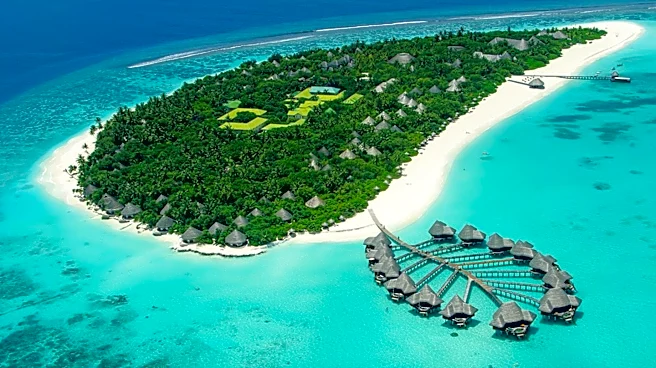
Four Seasons Resort Maldives at Kuda Huraa has launched ŪRJĀ Naturopathy Island, a dedicated private island focused on natural wellness. This initiative moves beyond temporary relaxation, aiming to help guests understand and integrate healthy habits into
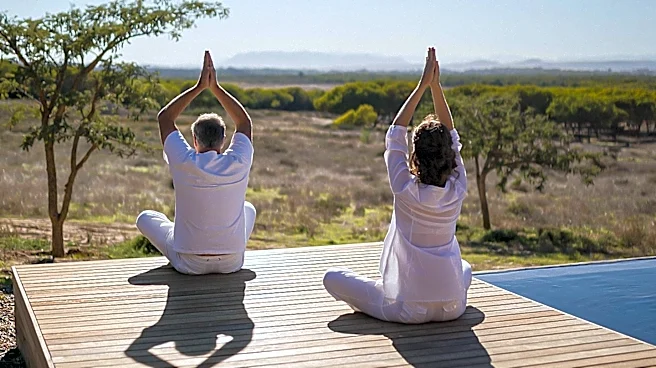
their daily lives, influencing sleep, diet, movement, and stress management. The island offers personalized consultations, natural therapies, movement practices, and restorative experiences in a secluded setting. Guests begin with a health-profile consultation to assess areas like sleep, stress, digestion, posture, lifestyle, and body composition. Based on this, practitioners recommend a tailored combination of treatments and activities. Programs are structured around four naturopathic pathways: Rest & Rebalance, Cleanse, Nourish, and Reconnect, which can be adjusted to individual goals such as improving sleep or supporting joint mobility. The treatment menu includes Mud Therapy, Heliotherapy, acupuncture, Sound Healing, Yoga Therapy, and a Night Spa experience. Some treatments incorporate AION A, a natural mineral clay, and feature geometric artwork by Emma Kunz, connecting wellness with minerals and early 20th-century abstract art.
Why It's Important?
This development signifies a shift in the luxury wellness travel sector, moving away from solely treatment-intensive itineraries towards education and sustainable practices that travelers can continue post-vacation. It emphasizes a holistic approach to well-being, focusing on foundational elements like nutrition, movement, natural light, sleep, and rest, rather than solely relying on high-tech assessments or performance optimization. This approach caters to a growing segment of travelers seeking meaningful breaks and guidance without the pressure of constant measurement or performance challenges. By integrating wellness into a broader resort vacation, Four Seasons makes it accessible to those who desire a structured wellness component without committing to a separate medical or retreat-style itinerary. This trend could influence the hospitality industry to offer more personalized, educational, and integrated wellness experiences, potentially leading to a more mindful and health-conscious travel culture.
What's Next?
The introduction of ŪRJĀ Naturopathy Island suggests a continued evolution in wellness tourism, with other luxury resorts likely to follow suit by offering more integrated and educational wellness programs. The emphasis on personalized guidance and practical adjustments for daily life indicates a move towards empowering guests with tools for long-term well-being, rather than just short-term fixes. Future developments in wellness travel may see an increased focus on naturopathic traditions, mindfulness, and the integration of natural elements into the guest experience. The success of this model could encourage more resorts to dedicate specific areas or islands to comprehensive wellness, further blurring the lines between traditional vacations and health-focused retreats. This could also lead to a greater emphasis on post-stay support or resources to help guests maintain their newfound healthy habits.
Beyond the Headlines
The ŪRJĀ Naturopathy Island initiative reflects a deeper societal trend towards prioritizing holistic health and well-being, moving beyond superficial self-care to a more profound understanding of one's body and mind. The integration of naturopathy, ancient healing practices, and even art (through Emma Kunz's work) highlights a desire for authentic and enriching experiences that connect individuals with nature and cultural heritage. This approach challenges the often-commercialized and technology-driven aspects of modern wellness, advocating for a simpler, more intuitive path to health. Ethically, it promotes a sustainable model of wellness that encourages self-awareness and personal responsibility for health, rather than relying solely on external interventions. Culturally, it taps into a global consciousness that values longevity and quality of life, influencing how individuals perceive and invest in their personal health journeys, even during leisure travel.