
What's Happening?
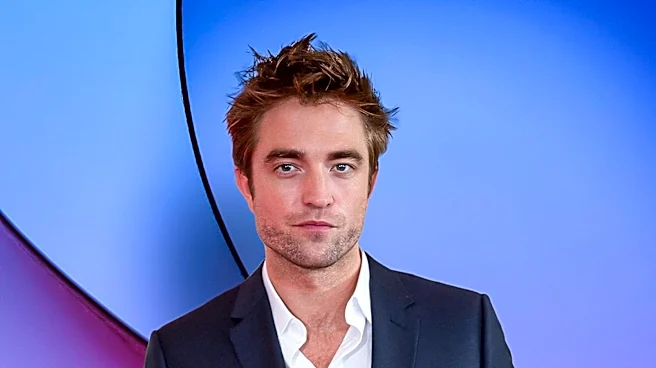
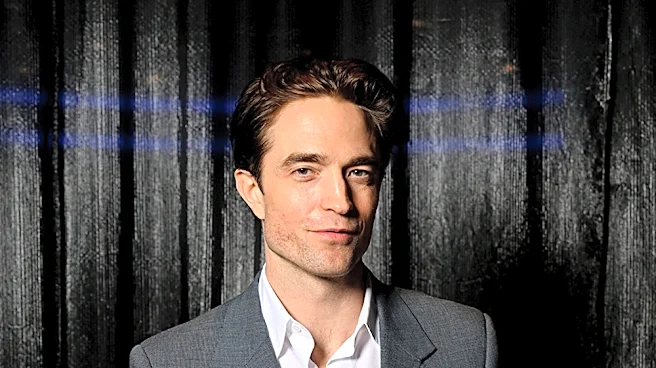
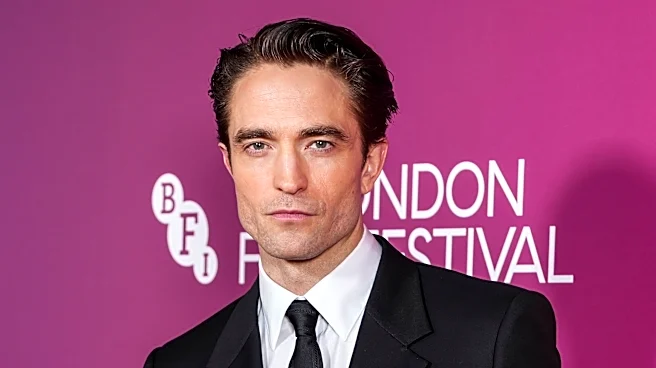
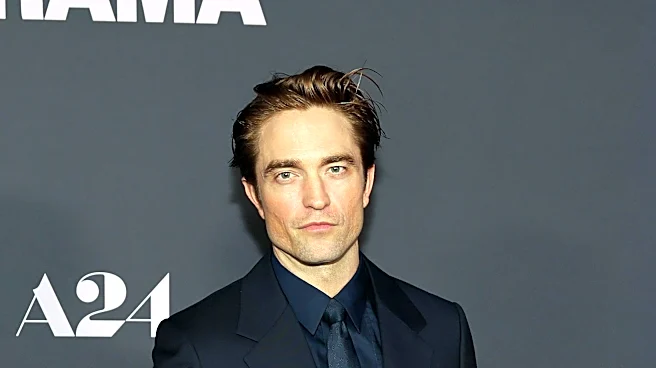
Robert Pattinson has been officially cast as the seventh actor to portray James Bond in the iconic film series. Amazon MGM, with Denis Villeneuve directing and Steven Knight writing, made the announcement,
concluding a search that lasted over a year. Pattinson emerged as the frontrunner after screen-testing alongside other actors like Jack Lowden, Callum Turner, Josh O’Connor, and Nicholas Hoult. This casting marks a significant shift, as Pattinson is already a highly famous actor, having starred in major franchises like 'Twilight' and 'The Batman.' The decision has sparked discussion about Hollywood's trend of casting established stars in major franchise roles rather than minting new ones.
Why It's Important?
The casting of Robert Pattinson as James Bond is significant because it deviates from the tradition of the role elevating an actor to superstardom. Unlike previous Bonds who gained immense fame through the role, Pattinson arrives with an already established global profile. This move reflects a broader industry trend where studios increasingly rely on pre-existing star power to de-risk large-budget productions, rather than investing in and developing new talent. While Pattinson's acting prowess is widely acknowledged, his existing commitments to other major franchises, such as 'The Batman,' raise concerns about potential 'franchise fatigue' for both the actor and the audience. This strategy could limit the emergence of new leading actors and potentially stifle creative diversity in Hollywood.
What's Next?
Robert Pattinson is reportedly committed to three James Bond films, a shorter commitment than the four films initially requested from other candidates, indicating his leverage as an established star. This commitment, alongside his role as Bruce Wayne, means Pattinson's schedule will be heavily dominated by two of Hollywood's biggest franchises. This could limit his availability for the smaller, more artistically driven projects he has pursued in the past, which have contributed to his critical acclaim. The success of his Bond tenure will be closely watched, not only for its box office performance but also for its impact on the broader discussion about star-making in the modern film industry and the balance between franchise demands and artistic freedom.
Beyond the Headlines
Pattinson's casting as Bond highlights a deeper industry challenge: the struggle to create new movie stars. In an era dominated by intellectual property and established franchises, the character often overshadows the actor. While Bond historically made stars, the current landscape suggests that studios prefer to plug existing stars into these roles. This approach, while seemingly safer financially, risks homogenizing the cinematic landscape and reducing opportunities for emerging talent to break through. The long-term implication could be a less diverse and more predictable Hollywood, where the focus remains on leveraging known quantities rather than fostering the next generation of iconic actors. The debate also touches on the artistic cost of such decisions, as actors might have fewer opportunities to engage in diverse, non-franchise roles.