





What's Happening?
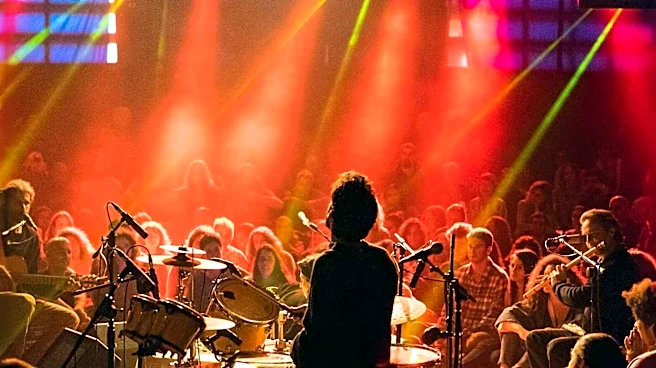
On Saturday, October 24, Baltimore hardcore band Turnstile performed a free concert at the Washington Monument in Washington D.C., drawing an audience of over 60,000 fans. The event also served as a fundraiser, successfully collecting more than $260,000
in humanitarian relief. These funds are designated to assist communities affected by conflicts in Palestine, Sudan, and Lebanon. According to James Vitalo, the band's manager, the show represented a significant milestone and a culmination of the band's efforts. The decision to keep the event free was central to its mission, aiming to unite as many people as possible while highlighting global human rights issues. The concert was a massive undertaking, requiring extensive planning and collaboration from the band's management, booking agency, and road crew. This event follows a period of significant achievements for Turnstile, including their first top 10 album on the Billboard 200, two Grammy wins, and becoming the first hardcore band in 45 years to perform on Saturday Night Live.
Why It's Important?
This event is significant for several reasons, demonstrating the growing influence of hardcore music and its capacity for social impact. By hosting a free concert at a prominent national landmark like the Washington Monument, Turnstile not only reached a vast audience but also leveraged their platform to address critical global humanitarian crises. The substantial amount of money raised underscores the potential for music events to generate significant charitable contributions, directly aiding vulnerable populations. Furthermore, the concert's success, drawing 60,000 attendees, marks it as the largest hardcore headlining show ever, signaling a broader acceptance and mainstream appeal for the genre. This could inspire other artists and communities to organize similar large-scale benefit events, fostering a greater sense of collective responsibility and action towards global issues. The band's commitment to their roots while achieving mainstream success also provides a model for artists seeking to maintain artistic integrity alongside broader reach.
What's Next?
The funds raised, totaling close to $300,000 with donations still incoming, will be directed to Human Concern International. This organization will utilize the money to provide essential aid, including food, shelter, medical support, and care for children in Gaza, Sudan, and Lebanon. The band's manager, James Vitalo, indicated that while future plans are kept private, the band is highly motivated to continue building on their recent successes. The positive response to the show suggests a potential for Turnstile to continue integrating social activism with their musical endeavors, possibly leading to more benefit concerts or campaigns. The event may also encourage other artists within the hardcore and broader music scenes to engage more actively in humanitarian efforts, potentially setting a precedent for large-scale, artist-led fundraising initiatives for global causes. The band's continued momentum, following Grammy wins and a Saturday Night Live appearance, positions them to further expand their influence both musically and philanthropically.
Beyond the Headlines
The Turnstile concert at the Washington Monument transcends a typical music event, highlighting the evolving role of artists as social and political catalysts. By choosing a location steeped in American history and political significance, the band made a powerful statement about the intersection of culture, activism, and global responsibility. Rage Against the Machine singer Zack de la Rocha noted that bands like Turnstile serve as a 'bridge' for younger generations to discover politically charged music and its historical roots, connecting them to acts like Bad Brains and The Clash. This suggests a cultural ripple effect, where contemporary artists can reintroduce historical movements and their underlying messages to new audiences. The event also underscores the ethical dimension of artistic platforms, demonstrating how they can be utilized not just for entertainment but as a force for social good, challenging the traditional boundaries between music and activism. This could foster a long-term shift in how artists perceive their public role and influence.