





What's Happening?
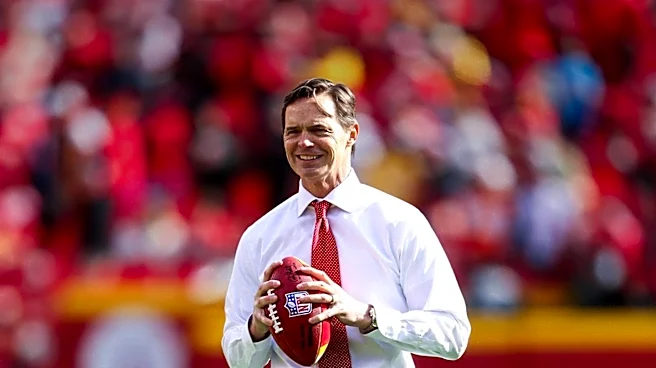
The Kansas City Chiefs have officially named the joint venture of Clark Construction Group and AECOM (Clark | AECOM) as the construction team for their new fixed-roof NFL stadium. This 70,000-person venue is slated to open in Wyandotte County, Kansas,
in 2031. The stadium is envisioned not only as the future home for the Chiefs but also as a year-round entertainment destination and a central component of a mixed-use development. Chiefs President Mark Donovan stated that Clark | AECOM will help refine the stadium's design, budget, and schedule. Lee DeLong, CEO of Clark Group, emphasized the project's potential to transform the region's sports and entertainment experience and act as a catalyst for economic growth. Ken Johnson, Executive Vice President of AECOM Hunt, highlighted the complexity of NFL stadium projects and their team's commitment to delivering world-class facilities that create jobs and boost local economies. The design team, MANICA and HNTB, is currently refining elements such as the seating bowl, premium spaces, and site infrastructure, with input from the construction team on constructability and material procurement.
Why It's Important?
This announcement signifies a major step forward for the Kansas City Chiefs' long-term future and has significant implications for the Kansas City region. The construction of a new 70,000-person fixed-roof stadium is a substantial infrastructure project that promises to generate considerable economic activity, including job creation and new investment. The Chiefs' vision for the venue as a year-round entertainment destination, coupled with a vibrant mixed-use development, suggests a broader impact beyond just football. It aims to attract more events, tourism, and potentially new businesses to Wyandotte County, Kansas. For the Chiefs, a new state-of-the-art facility could enhance fan experience, increase revenue streams through modern amenities and event hosting capabilities, and solidify their presence in the region for decades. The involvement of leading sports venue builders like Clark | AECOM underscores the scale and ambition of the project, positioning it as a landmark development for both the NFL and the local community.
What's Next?
The immediate next steps involve continued collaboration between the Chiefs, stadium designers MANICA and HNTB, and the newly appointed construction team, Clark | AECOM. This phase will focus on transforming the initial design concepts into detailed, buildable plans, including finalizing the budget, securing necessary permits, and establishing a precise construction schedule. The construction team will provide crucial input on material availability, procurement, installation, and overall construction timelines. As the project progresses towards its 2031 opening, further announcements regarding financing, specific development plans for the mixed-use area, and community engagement initiatives are expected. The successful execution of this phase will be critical in ensuring the project stays on track and delivers on its promise of a world-class venue and economic catalyst for the Kansas City region.
Beyond the Headlines
Beyond the immediate economic and sporting impacts, the development of a new fixed-roof stadium in Wyandotte County could trigger long-term shifts in regional demographics and urban planning. The creation of a 'vibrant mixed-use development' around the stadium suggests a potential for new residential, commercial, and retail spaces, which could reshape the local landscape and attract a new demographic of residents and businesses. This type of large-scale development often raises questions about infrastructure strain, traffic management, and equitable community benefits. The project's success will depend not only on its construction but also on its integration into the existing community fabric and its ability to deliver on its promise of sustained economic growth and community connection without displacing current residents or overburdening local resources. The long-term cultural impact of a new, modern home for the Chiefs, designed to be a year-round entertainment hub, could also solidify Kansas City's reputation as a major sports and entertainment destination.