






What's Happening?
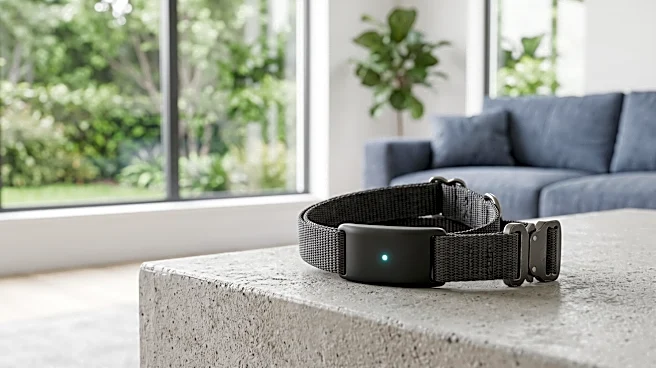
WHOOP, a company known for its wearable devices, advanced analytics, and personalized coaching platform, is actively seeking a Business Analyst I for its Healthcare Product Analytics team. This role is crucial for developing and refining WHOOP's Health Operating
System, which encompasses clinical features, personalized wellness experiences, and tools for measuring health outcomes. The Business Analyst will be responsible for delivering high-quality analysis and insights, building and maintaining dashboards for key healthcare product metrics, and conducting structured analyses to understand how healthcare features influence member behavior and wellness outcomes. The position emphasizes cross-functional collaboration with various teams including Product, Digital Health, Software Engineering, UX & Design, Data Science, and Marketing to inform product strategy. A key aspect of the role involves embracing and leveraging AI tools in daily tasks, ensuring that AI-assisted work meets the same quality standards as personal contributions. The company aims to empower its members with a deeper understanding of their bodies and daily lives through data-driven insights.
Why It's Important?
This hiring initiative by WHOOP signifies a growing trend in the health and wellness technology sector towards more sophisticated data analysis and the integration of artificial intelligence. By investing in a Business Analyst specifically for its Healthcare Product Analytics team, WHOOP is positioning itself to enhance the clinical relevance and personalized nature of its offerings. This move is important for the broader U.S. health tech industry as it highlights the increasing demand for professionals who can bridge the gap between raw health data and actionable insights, especially within a regulated healthcare context. The emphasis on AI integration suggests a future where wearable technology will not only collect data but also provide more intelligent, predictive, and personalized health recommendations. This could lead to improved health outcomes for users, more efficient healthcare delivery, and new opportunities for partnerships between tech companies and traditional healthcare providers. The focus on understanding member behavior and health engagement also underscores a shift towards preventative and personalized medicine, driven by continuous data monitoring.
What's Next?
The integration of a Business Analyst I into WHOOP's Healthcare Product Analytics team is expected to lead to a more data-driven and AI-enhanced development of its Health Operating System. This will likely result in the introduction of new clinical features and personalized wellness experiences that are more effective and tailored to individual member needs. The role's focus on tracking key healthcare product metrics and conducting analyses will provide continuous feedback, enabling WHOOP to iterate and improve its offerings rapidly. We can anticipate more sophisticated dashboards and reporting mechanisms that offer deeper insights into feature engagement and health outcomes. Furthermore, the commitment to leveraging AI tools suggests that future WHOOP products and services will increasingly incorporate machine learning for predictive analytics, personalized coaching, and potentially early detection of health issues. This strategic hire is a step towards solidifying WHOOP's position as a leader in the wearable health technology market, with a strong emphasis on evidence-based and AI-powered health solutions.
Beyond the Headlines
Beyond the immediate impact on WHOOP's product development, this move reflects a broader societal shift towards quantified self and data-driven health management. The increasing sophistication of wearable technology, coupled with advanced analytics and AI, raises important ethical and privacy considerations regarding personal health data. As companies like WHOOP delve deeper into clinical features and health outcome measurement, there will be a growing need for robust data security protocols and transparent data usage policies. The emphasis on personalized wellness experiences also highlights the potential for these technologies to exacerbate health disparities if access and affordability are not adequately addressed. Furthermore, the integration of AI in health analytics could lead to new regulatory challenges as authorities grapple with how to ensure the safety, efficacy, and fairness of AI-powered health recommendations. This development also points to a future where individuals are more empowered to understand and manage their own health, potentially transforming the patient-provider relationship and fostering a more proactive approach to well-being.