


What's Happening?
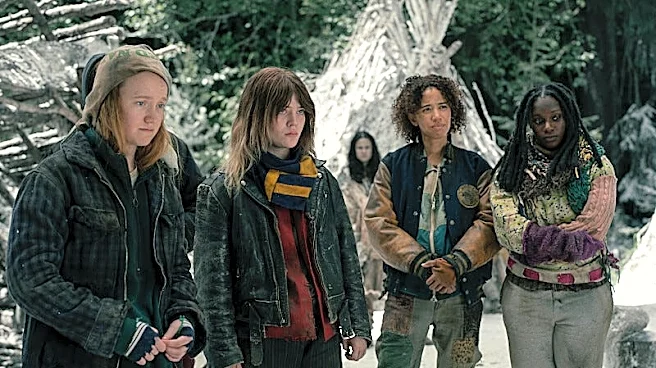
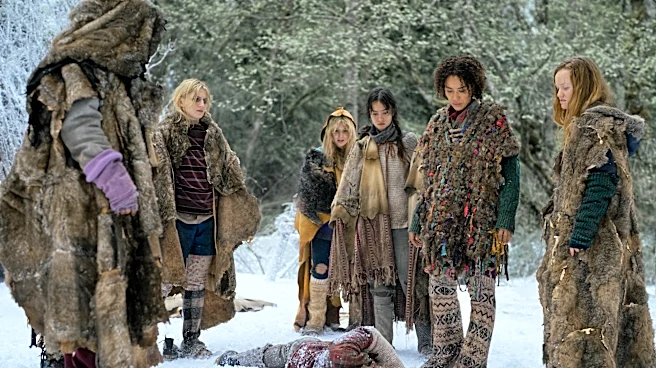
Actress Samantha Hanratty, known for her role in 'Yellowjackets,' expressed distress over a horror doll that she believes is 'ableist' and closely resembles her son. The doll, depicting the character Jason Voorhees, features a cleft, which Hanratty's
son also has. She highlighted the doll's tagline, which she found deeply offensive, stating that it insinuates a child's face is so 'ugly' that only their mother could find it beautiful. Hanratty shared her emotional reaction, emphasizing the pain caused by such comments and the lack of positive representation for individuals with clefts in media. She noted that the only representation she has seen for the cleft community is through characters like Jason, who is portrayed as a 'monster' or 'bad guy,' which she finds disheartening.
Why It's Important?
This incident underscores the broader issue of representation and the impact of media portrayals on marginalized communities. For the cleft community, the lack of diverse and positive representation can perpetuate harmful stereotypes and contribute to feelings of otherness. Hanratty's public criticism brings attention to the need for more thoughtful and inclusive character design, particularly when physical characteristics are associated with villainy or abnormality. The controversy highlights how seemingly innocuous product descriptions or character designs can have significant emotional consequences for individuals and families who identify with those characteristics. It also prompts a discussion about corporate responsibility in ensuring their products and marketing do not inadvertently promote ableism or insensitivity.
Beyond the Headlines
The backlash against the horror doll extends beyond a single product, touching upon the ethical considerations in entertainment and toy manufacturing. It raises questions about the creative process and whether diverse perspectives are adequately considered during character development and marketing. This event could encourage a re-evaluation of how physical differences are depicted in popular culture, moving towards more nuanced and respectful representations. Furthermore, it highlights the power of social media and public figures in advocating for change and raising awareness about issues that affect specific communities. The incident may also inspire other parents and advocates to speak out against similar instances of misrepresentation, fostering a more inclusive media landscape.