




What's Happening?
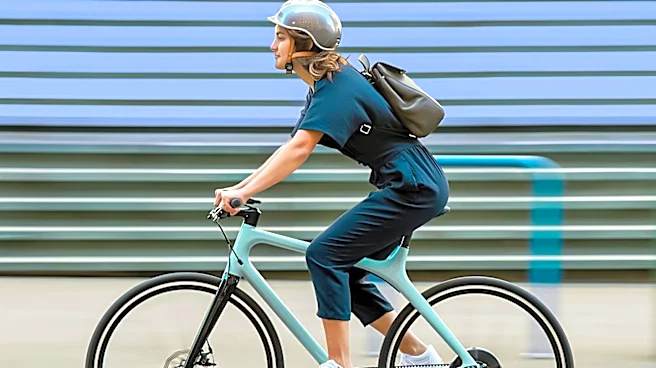
German manufacturer UNIT1 has launched a new line of smart bicycle helmets, including the Aura, Neon, and Faro models, which combine traditional helmet safety features with integrated lighting and digital functionalities. These helmets are designed primarily
for urban cycling and e-bike use, aiming to enhance rider visibility and communication in traffic. The system is complemented by modular Smart Lights and a specially designed Torch backpack. Key features across the line include integrated front and rear lights, turn signals, and automatic brake lights, all controllable via a UNIT1 remote control and a dedicated app. The helmets also incorporate Mips-systems for rotational impact protection and meet various safety standards, including EN 1078, CPSC, and NTA 8776 for e-bikes up to 45 km/h. Additionally, some models feature acceleration sensors for crash alerts, which can send an SMS with location data to emergency contacts if a fall is detected and the rider doesn't respond.
Why It's Important?
This innovation by UNIT1 is important for the U.S. urban mobility sector, as it addresses critical safety concerns for cyclists in increasingly congested city environments. Enhanced visibility through integrated lighting and communication features like turn signals can significantly reduce accidents, potentially leading to fewer injuries and fatalities. The crash alert system offers a new layer of personal safety, which could be particularly appealing to solo riders or those commuting in less populated areas. For U.S. cities promoting cycling as a sustainable transportation option, such advanced safety gear could encourage more people to adopt cycling, thereby impacting urban planning, public health, and environmental initiatives. The integration of smart technology also sets a new standard for bicycle accessories, potentially influencing product development and consumer expectations in the U.S. market.
What's Next?
UNIT1's smart helmets are expected to gain traction in the U.S. market as urban cycling continues to grow. The company's focus on safety and connectivity aligns with broader trends in smart personal mobility devices. Future developments may include further integration with other smart devices, such as fitness trackers or navigation systems, and potential partnerships with urban planning initiatives or cycling advocacy groups to promote safer cycling practices. The modular design of the Neon helmet, allowing for separate replacement or upgrade of electronic components, housing, and straps, suggests a move towards more sustainable and customizable products. The inclusion of NFC tags for emergency information also points to a future where personal safety devices are more interconnected with emergency services.
Beyond the Headlines
Beyond immediate safety benefits, the introduction of smart helmets like those from UNIT1 reflects a deeper societal shift towards integrating technology into everyday life for enhanced well-being and convenience. These helmets are not just protective gear; they are communication devices that can potentially bridge the gap between cyclists and other road users, fostering a safer and more harmonious urban environment. The data collected by these devices, such as crash information, could also contribute to valuable research on cycling safety and urban infrastructure design. Furthermore, the emphasis on modularity and repairability in some models hints at a growing consumer demand for products that are not only technologically advanced but also environmentally conscious and long-lasting, challenging the traditional disposable nature of many consumer electronics.